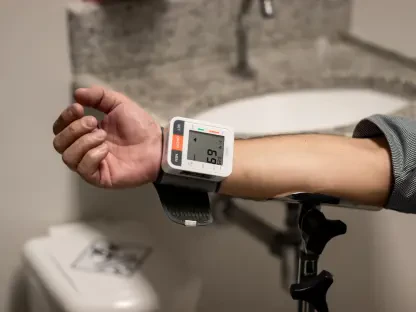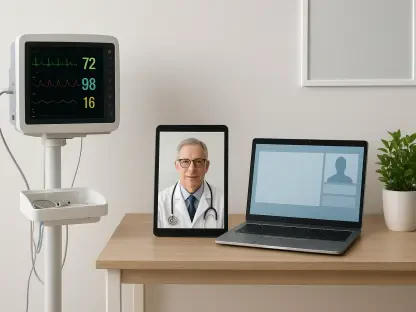
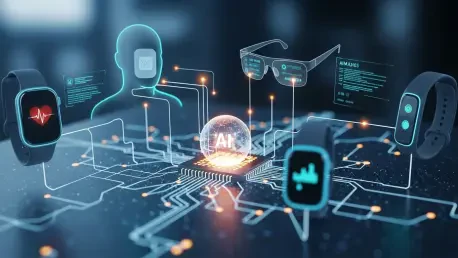
The healthcare landscape is currently experiencing a profound structural shift as wearable devices evolve from passive data collectors into sophisticated diagnostic tools powered by artificial intelligence. In the early stages of wearable development, physicians were often overwhelmed by massive

Inbox pings have replaced waiting room calls as GLP-1 therapy moved from a maze of appointments and approvals into an app-mediated workflow that compresses intake, prescribing, and delivery into a single, guided lane. In minutes, adaptive questionnaires collect medical history, contraindications,

Millions of insured Americans now schedule video visits before breakfast, refill prescriptions between meetings, and connect to therapists after the kids fall asleep, a pattern that has redrawn the front door of care and shifted routine demand away from brick‑and‑mortar clinics. What began as an
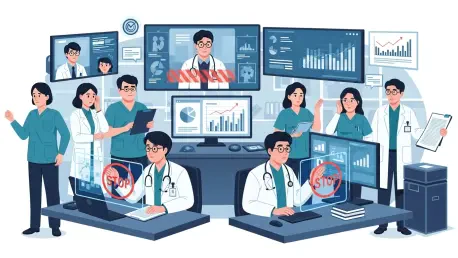
South Korea’s healthcare landscape is currently navigating a pivotal transition as the government moves to permanently integrate remote medical services into the national framework by late 2026. While the initial pivot toward digital health was born from necessity during global disruptions, the

Modern corporate environments are currently witnessing a silent revolution where the traditional boundary between professional performance and private mental health is rapidly dissolving into a stream of continuous data. As organizations grapple with staggering economic figures, such as the

The Retail Giant’s Strategic Pivot into Specialized Weight Management The rapid transformation of the American pharmaceutical landscape has seen retail titans move beyond simple medication dispensing to become comprehensive hubs for metabolic health and chronic disease management. Walmart is