
The shift from simple calendar-based tracking to sophisticated medical-grade health ecosystems has fundamentally redefined how expectant parents navigate the complex biological journey of gestation in 2026. This evolution represents a departure from the static interfaces of the past, replacing them with dynamic platforms that integrate real-time physiological data with evidence-based clinical guidance. As maternal health outcomes face increased scrutiny worldwide, these digital companions have emerged as critical bridges between infrequent prenatal appointments and the daily realities of pregnancy. They serve as a centralized hub where medical history, nutritional needs, and psychological well-being converge into a single, streamlined user experience. By leveraging advanced data analytics and personalized health insights, these modern ecosystems empower users to take a proactive role in their own care, effectively transforming the smartphone into a vital diagnostic and educational resource.
Core Pillars: Modern Pregnancy Monitoring
Visual Progress: Biological Education
Modern applications prioritize high-definition visualization to bridge the gap between abstract biological changes and the tangible experience of growth. These platforms utilize sophisticated 3D simulations that allow parents to view detailed anatomical developments, such as the formation of the neural tube or the maturation of the digestive system, in remarkable clarity. To ground these complex scientific processes in reality, developers continue to employ the classic comparison of fetal size to common objects like fruits or vegetables, though these have become far more interactive and detailed. Instead of a simple icon, users can now rotate and explore a digital rendering that mimics the baby’s actual movements and proportions based on standardized growth charts. This visual engagement serves a dual purpose: it fosters a deeper emotional connection between the parents and the developing child while informing them on the vital physiological milestones occurring each week.
Educational content within these ecosystems has moved beyond generic articles toward interactive, context-aware modules that explain the biological mechanics behind bodily changes. Users no longer simply read about increased blood volume; they interact with diagrams showing how the circulatory system adapts to support the placenta and the fetus. This shift toward biological literacy helps demystify symptoms that might otherwise cause unnecessary alarm, such as round ligament pain or Braxton Hicks contractions. By providing clear, scientifically accurate explanations alongside 3D visuals, the apps reduce the frequency of frantic web searches that often lead to misinformation. The integration of augmented reality has even allowed some advanced platforms to project a life-sized representation of the baby into the parent’s physical space, offering a unique perspective on the spatial reality of the pregnancy. This level of detail ensures parents are informed participants.
Integrated Health DatClinical Utility
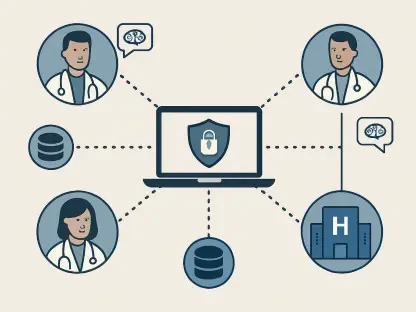
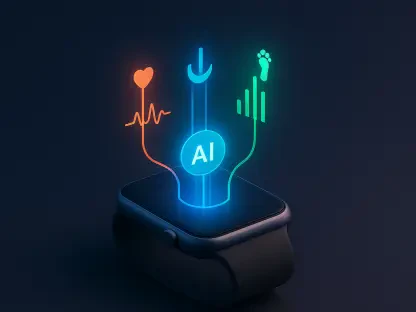
The clinical utility of modern pregnancy platforms is defined by their ability to transform subjective experiences into actionable data sets for healthcare providers. Expectant parents can systematically log vital signs, kick counts, and contraction frequencies using intuitive interfaces that recognize patterns over time. This data is no longer siloed within the app; instead, it is often formatted into comprehensive PDF reports or integrated directly into electronic health records via secure APIs. When a user records a series of high blood pressure readings or a significant change in fetal movement, the system can flag these anomalies and provide immediate prompts to contact a physician. This proactive approach to monitoring facilitates early intervention for complications such as preeclampsia or gestational diabetes, which remain significant concerns in maternal medicine. By maintaining a continuous record of health metrics, these ecosystems provide doctors with a more accurate picture of the pregnancy.
Physical wellness guidance has expanded to include specialized routines for pelvic floor health and prenatal fitness, often guided by built-in sensors or computer vision. Many ecosystems now feature integrated kegel trainers and guided stretching programs designed specifically for the unique postural shifts that occur during the second and third trimesters. These modules are frequently developed in collaboration with physical therapists to ensure safety and efficacy, addressing common issues like diastasis recti and lower back pain. Beyond exercise, nutritional tracking has become more sophisticated, offering meal planning that adjusts based on the user’s specific nutrient requirements or documented deficiencies. By monitoring iron, folate, and calcium intake through automated logging or photo-based food recognition, the app acts as a digital nutritionist. This holistic view of health ensures that the user is physically prepared for the rigors of labor and delivery.
Expanding the Scope: Parental Support
Emotional Wellness: Community Connection
Recognizing that pregnancy is as much a psychological journey as a physical one, modern ecosystems have incorporated robust mental health screenings and support tools. Automated check-ins use clinically validated surveys to monitor for signs of prenatal anxiety and depression, providing users with immediate access to resources or teletherapy if scores indicate a need for professional intervention. Furthermore, these platforms have evolved to be inclusive of partners, offering synchronized accounts that provide tailored advice on how to support the pregnant individual. Partners receive updates on milestones and tips on practical preparation, fostering a shared experience that reduces the feeling of isolation often felt by non-birthing parents. This collaborative environment extends to secure community forums where users can connect with others at the same stage of pregnancy. These moderated spaces allow for the exchange of advice and support, creating a digital village that helps mitigate the stress.
The social component of these platforms is built on a foundation of verified information, where peer interactions are balanced with direct access to certified experts. Many ecosystems now offer direct consult features, allowing users to pose non-emergency questions to professionals within minutes. This immediate access to expert advice helps filter out the anecdotal misinformation often found on general social media platforms. Moreover, community groups are frequently organized by specific interests or medical needs, such as high-risk pregnancy support or twins-specific advice, ensuring that the peer connection is relevant and helpful. The integration of mindfulness and meditation sessions specifically tailored to pregnancy-related stressors further rounds out the emotional support suite. By addressing the whole person rather than just the clinical state of the pregnancy, these platforms help users maintain emotional equilibrium throughout the forty-week transition to parenthood.
Logistics Management: Postpartum Transition
Logistics management within these digital ecosystems simplifies the overwhelming task of preparing for a new family member by centralizing planning tools. Integrated birth plan builders guide users through complex decisions regarding pain management, delivery preferences, and newborn care, allowing them to share these preferences with their hospital or birthing center ahead of time. These planners are often linked to hospital-specific protocols, ensuring that the user’s expectations align with what is clinically possible at their chosen facility. Additionally, the platforms streamline the process of nursery preparation by integrating with major retailers for registries and checklist management. By automating the tracking of essential gear and hospital bag requirements, the apps reduce the cognitive load on expectant parents. This organizational efficiency allows families to focus more on their emotional readiness and less on the minutiae of procurement, creating a more tranquil environment.
The evolution of pregnancy apps into comprehensive health ecosystems represented a significant milestone in the integration of technology and maternal care. As these platforms matured, they successfully shifted the focus from reactive monitoring to proactive, holistic health management. To maximize the benefits of these tools, users sought out platforms that prioritized data privacy and maintained strict adherence to clinical standards developed by obstetric experts. The next phase of this digital transition focused on the seamless handover between prenatal care and the fourth trimester, ensuring that postpartum recovery received the same level of attention as the pregnancy itself. Stakeholders in the healthcare industry prioritized the integration of these digital records into primary care systems to close the loop on maternal health outcomes. Parents who leveraged these ecosystems discovered that consistent engagement led to higher literacy and more confident decisions.