




Privacy controls such as physical shutters and software-defined privacy zones are essential
Integrating AI technology into the existing teleradiology workflow allows Krsnaa to maximize the
The mobile clinic model eliminates the significant barrier of lost wages by bringing two fully equipped exam rooms directly to the farm sites during the growing season. This initiative serves as a vital response to the systemic neglect experienced by the thousands of migrant workers who sustain the
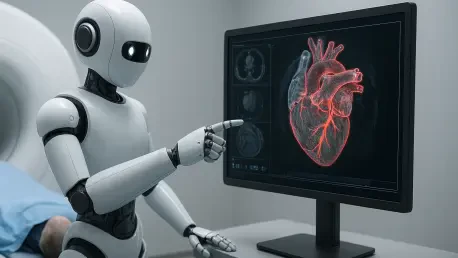
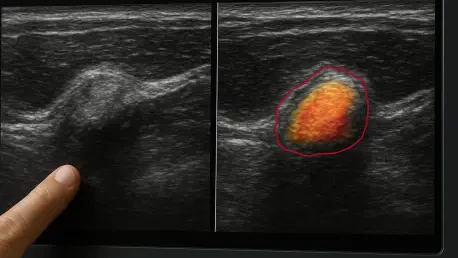
A study of 10,000 hospital records revealed that diagnostic accuracy often collapses when medical AI is exposed to the unique image characteristics of the ORIZURU robotic platform. This phenomenon, frequently described as domain shift, occurs when an algorithm trained in a specific, controlled

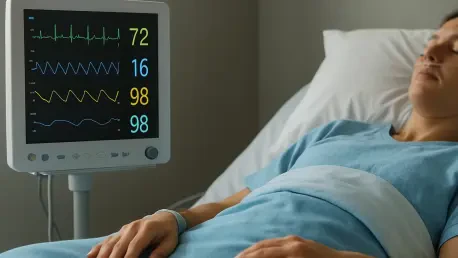
To maintain patient confidentiality during remote reviews, healthcare facilities must implement

A Strategic Shift Toward Flexible Regulatory Standards The landscape of medical innovation is
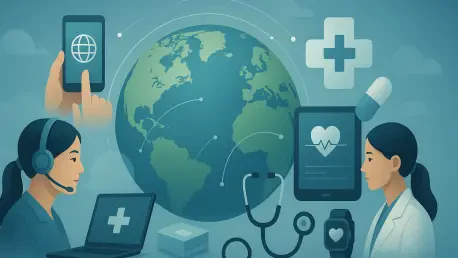
Healthcare organizations increasingly rely on a wider service ecosystem of advisors, managed service providers, and global capability centers to modernize. Healthcare leaders face a market where…

The most expensive cybersecurity stack in healthcare is useless the moment a well-intentioned
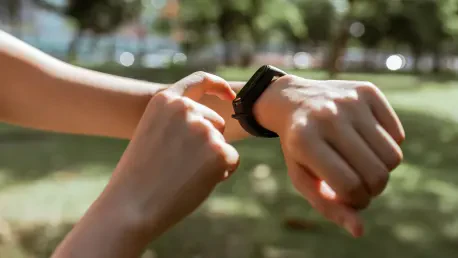
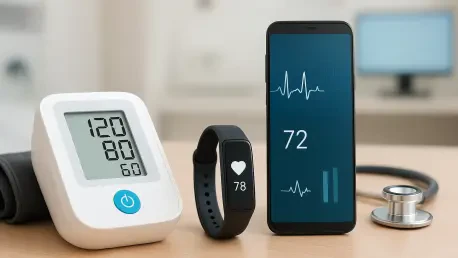
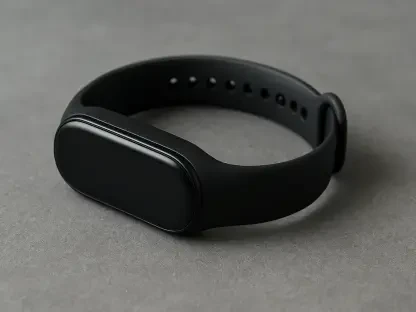
The global wearable health technology market is projected to reach $69.2 billion by 2028 , driven

A patient with congestive heart failure could receive an alert before the crisis begins. Wearable
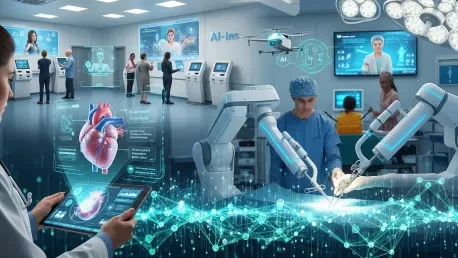
Healthcare is not struggling with a technology gap. The real challenge is an operating model that

Governor Patrick Morrisey signed House Bill 4965 into law to eliminate the administrative cycles that frequently delay critical medical care for state employees. This legislative intervention arrived as a necessary correction to a system that often prioritized bureaucratic checklists over the
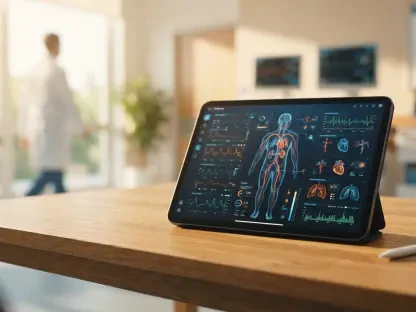
The deployment of programmatically matched clinical documentation against medical necessity
Internal governance issues and low staff morale are reportedly undermining the compassionate care