
The transition from a localized, paper-based medical practice to a globally accessible digital healthcare ecosystem has moved beyond a mere convenience to become an essential structural pillar of modern medicine. This evolution signifies a departure from the traditional image of the doctor’s office, replacing the physical four walls of an examination room with a sophisticated network of telecommunication tools and data-driven protocols. For a virtual model to thrive and remain sustainable, physicians must view the digital encounter as a distinct clinical environment that necessitates its own unique set of engagement rules, communication styles, and operational structures. This paradigm shift requires medical professionals to move past the reductive idea that telemedicine is simply a video call, instead embracing a total redesign of the clinical journey. By treating the digital interface as a professional medical space rather than a technological bridge, healthcare providers can enhance patient outcomes while simultaneously protecting their own cognitive resources and professional time. Success in this new landscape depends on the recognition that technology must serve to reduce friction within the healthcare process, rather than acting as a supplementary layer of administrative complexity.
Building a truly effective digital practice requires a departure from the reactive models used in previous years, moving toward a proactive and integrated strategy. The goal is to ensure that every digital interaction remains as thorough, reliable, and medically sound as a traditional in-person visit, regardless of the physical distance between the provider and the patient. This structural transformation involves rethinking everything from the initial patient intake to the final diagnostic documentation. As medical professionals navigate this transition, they are finding that the most successful virtual models are those that prioritize clear communication, rigorous data validation, and the establishment of firm clinical boundaries. By standardizing these elements, physicians can create a resilient system that withstands the pressures of high patient volumes while maintaining the high standards of care that define the medical profession. This comprehensive approach ensures that digital medicine is not just a temporary fix for accessibility challenges, but a sophisticated and permanent component of a high-functioning healthcare system that serves both the patient and the provider effectively.
Streamlining the Digital Workflow: Efficiency from Start to Finish
A successful and sustainable telemedicine model begins its operation long before the physician and the patient ever appear on a screen for a consultation. A structured pre-consultation phase is the cornerstone of an efficient digital practice, serving as the primary mechanism for collecting vital clinical data before the actual encounter begins. During this stage, clinical staff or automated intake systems gather essential information such as symptoms, home-based vital signs, and current medication lists, while also confirming the patient is technically prepared for the video call. Without this rigorous preparation, the physician often finds themselves forced into the role of technical support or a data entry clerk, which consumes valuable clinical time and disrupts the natural flow of the workday. By ensuring that all necessary data is available and the connection is stable before the meeting starts, the practice maximizes the time spent on high-level diagnostic thinking and patient engagement, rather than troubleshooting software or filling in missing history.
Once the digital consultation concludes, the workflow must transition seamlessly into a precise and automated post-visit execution phase to ensure continuity of care. This transition involves a series of coordinated steps, including the immediate generation of documentation, the electronic transmission of prescriptions, and the systematic coordination of follow-up care or specialist referrals. By closing these operational gaps through integrated software solutions, medical practices can ensure that virtual visits remain just as efficient and impactful as traditional in-office appointments. This level of operational maturity allows the physician to focus entirely on clinical decision-making, knowing that the administrative follow-through is managed by a reliable system. When the post-visit process is handled with the same level of care as the consultation itself, it prevents the accumulation of “digital debt”—the backlog of administrative tasks that often leads to physician burnout and clinical errors in a fast-paced environment.
Strategic Scheduling: Maximizing Access and Efficiency
Virtual care offers a significant value proposition by allowing for a more nuanced and flexible approach to daily scheduling that physical clinics often struggle to replicate. Physicians can now dedicate specific blocks of time to low-intensity follow-up visits, routine medication management, or behavioral health checks—tasks that require intense mental focus but do not necessitate a physical examination. This strategic segmentation of the workday helps prevent the typical “bottleneck” seen in physical clinics, where a delay in a complex procedure can derail a dozen simple follow-up appointments. By shifting these non-physical tasks to a virtual format, the clinic can reserve high-cost examination rooms and in-person staff resources for procedures and complex physical examinations. This optimization of physical and digital space ensures that the practice operates at peak efficiency, providing the right level of care in the most appropriate setting for every patient.
Beyond the internal efficiency of the clinic, telemedicine serves as an indispensable tool for reaching populations that face significant geographic and logistical barriers to high-quality care. Whether it is a rural resident living several hours away from the nearest specialist or a patient with significant mobility issues, digital care removes the hurdles that frequently lead to missed appointments and fragmented health management. By making it easier for these patients to adhere to their prescribed care plans, physicians can intervene much earlier in the progression of chronic diseases, ultimately leading to better long-term health outcomes across the board. This expanded access is not just about convenience; it is a fundamental improvement in health equity, ensuring that a patient’s location or physical limitations do not dictate the quality of medical attention they receive. The ability to maintain frequent, high-quality touchpoints with vulnerable patients allows for a more proactive and preventive approach to medicine.
Navigating Triage: Determining Clinical Suitability
Despite the numerous advantages and the increasing sophistication of remote diagnostic tools, telemedicine is not a universal solution suitable for every medical concern. A smart and safe clinical model relies heavily on a robust triage process to determine which cases are appropriate for a digital encounter and which require an immediate physical presence. While stable chronic conditions, mental health consultations, and certain dermatological reviews are often ideal for remote care, any clinical situation involving severe acute symptoms must remain strictly within the realm of in-person or emergency services. Chest pain, sudden neurological deficits, or severe respiratory distress are clear indicators that the limitations of a screen could delay life-saving intervention. Establishing clear, non-negotiable criteria for what can be treated virtually protects both the patient and the provider from the risks associated with an incomplete physical assessment.
A hallmark of a truly professional and sustainable telemedicine program is the integration of a built-in “safety valve” or an escalation pathway for every digital encounter. Physicians must be mentally and operationally prepared to transition a virtual visit to an in-person exam immediately if the digital interface proves insufficient for a safe and accurate diagnosis. If a physician cannot clearly see a wound, or if a patient’s verbal report of symptoms suggests a more complex underlying issue than originally suspected, the protocol must mandate a physical follow-up. Establishing these clear, documented protocols for when and how to shift the modality of care ensures that patient safety is never compromised by the limitations of the technology. This commitment to clinical integrity builds trust with the patient, who knows that their physician will prioritize their well-being over the convenience of a remote connection, ensuring that technology serves as a tool for better health rather than a barrier to it.
Mastering the Virtual Exam: The Evolution of Diagnostic Skills
Transitioning successfully to a virtual care environment requires physicians to adapt and refine their diagnostic skills, relying more heavily on structured history-taking and guided self-examination. Since traditional physical palpation is not an option through a screen, the doctor must become an expert at “coaching” the patient through a series of specific, well-defined tasks. This might involve instructing a patient on how to properly demonstrate their range of motion, how to position a camera to provide a clear view of a skin lesion, or even how to assist in a basic neurological assessment. These instructions must be articulated with high specificity to ensure the information gathered is clinically useful and accurate for the diagnostic process. This collaborative approach transforms the patient from a passive recipient of an exam into an active participant in their own diagnostic journey, which can lead to a deeper understanding of their own health.
Furthermore, the modern physician must practice and master what has become known as a “digital bedside manner” to maintain the human connection that is central to medicine. Because camera angles, lighting issues, and minor audio lags can unintentionally make a provider seem distant, uninterested, or distracted, it is vital to use intentional verbal cues and maintain consistent eye contact by looking directly at the camera lens rather than the screen. This deliberate effort to project empathy and attentiveness helps build a foundation of trust and ensures the patient feels heard and respected despite the digital medium. Maintaining this connection is crucial for patient satisfaction and clinical adherence, as patients are more likely to follow through on medical advice when they feel a genuine bond with their provider. The ability to project a caring and professional presence through a digital interface is a skill that distinguishes the most successful practitioners in the current era of healthcare delivery.
Managing Digital Burden: Protecting the Physician’s Well-being
One of the most persistent and significant challenges of digital medicine is the “hidden labor” that can quickly lead to physician burnout if not managed with professional rigor. The ease of digital communication often leads patients to expect 24/7 access to their healthcare providers, creating a constant and sometimes overwhelming stream of messages, refill requests, and non-urgent inquiries. To remain sustainable over the long term, a medical practice must establish firm, transparent boundaries regarding response times and the management of digital messaging. This involves educating patients on the appropriate use of portal messaging and ensuring that the physician’s digital inbox does not become an unmanageable source of administrative stress. By setting these expectations early, the practice can preserve the physician’s focus for high-level clinical work and prevent the erosion of their personal time, which is essential for maintaining a high standard of care.
Documentation also requires a specialized and highly intentional approach in a virtual setting to ensure both clinical accuracy and legal compliance. Telemedicine notes should explicitly reflect the modality of the visit, the physical location of the patient at the time of the call, and a clear distinction between what the physician observed on the screen and what the patient reported from their own home-based devices. By treating virtual documentation as a unique and distinct task, physicians can ensure that their clinical records stand up to professional scrutiny and provide a clear history for future care. This level of detail is necessary for insurance reimbursement and for maintaining a comprehensive narrative of the patient’s health over time. When documentation is handled with this specific focus, it reduces the risk of ambiguity and ensures that the virtual encounter is given the same legal and clinical weight as any other professional medical interaction.
Technical Integrity: Security and Regulatory Compliance
When selecting a digital platform for telemedicine, physicians must look far beyond the branding and marketing to focus on how well the tool integrates with existing Electronic Health Records (EHR). The primary goal is to find a solution that reduces technical hurdles for both the clinical staff and the patient, creating a frictionless environment for the delivery of care. Reliability is the most critical factor; a platform that frequently fails, requires complex software installations, or has poor audio-visual quality will quickly become a liability for a busy medical practice and a source of frustration for patients. A seamless integration allows for the real-time sharing of data, ensuring that the physician has immediate access to the patient’s full medical history during the virtual call. This technical synergy is essential for making informed clinical decisions and for maintaining a high-speed, professional workflow that mimics the efficiency of a physical office.
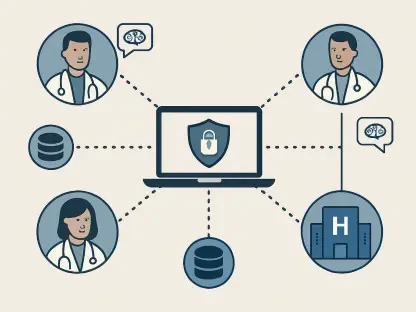
Beyond the software itself, there are significant legal and professional responsibilities that physicians must navigate to ensure their practice remains compliant with current standards. Physicians must stay meticulously informed about evolving licensing laws, particularly when providing care to patients who may be physically located in a different state or jurisdiction at the time of the call. Additionally, digital privacy must be treated as a behavioral requirement rather than just a software feature, meaning the physician must ensure their own physical environment is secure, quiet, and private, just as they would during a closed-door office visit. This commitment to privacy and regulatory adherence protects the patient’s sensitive information and reinforces the legitimacy of the digital practice. By prioritizing security and compliance, a medical practice can build a sustainable foundation that protects its reputation and its patients in an increasingly complex digital landscape.
Integrating Patient DatPreserving the Human Connection
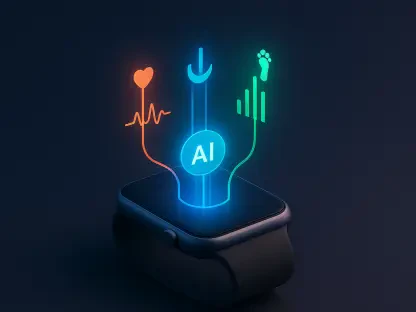
The rapid proliferation of remote patient monitoring devices, such as connected glucose meters, digital blood pressure cuffs, and advanced wearable sensors, provides a wealth of data that can significantly enhance the clinical picture. However, to avoid the pitfall of data overload, physicians need a sophisticated system that filters this information and highlights only the most critical clinical events through pre-defined alerts and thresholds. When managed correctly, this stream of real-time data allows for a much more proactive and preventive approach to healthcare, enabling providers to identify negative health trends long before they escalate into medical emergencies. This transition from episodic care to continuous monitoring represents a fundamental shift in how chronic diseases are managed, moving away from reactive treatments and toward a model of constant, data-driven vigilance that improves patient safety.
Ultimately, the overarching goal of building a smarter and more sustainable telemedicine model is to preserve and enhance the human element of healthcare rather than replacing it with technology. Interestingly, seeing a patient within their own home environment can offer deeper and more personal insights into their daily life, cultural context, and social determinants of health that might be missed during a traditional clinic visit. Observing a patient’s living conditions or seeing how they manage their medications in their own space can provide invaluable context that informs a more personalized and empathetic care plan. By using technology to reduce physical friction and improve accessibility, physicians can foster a professional relationship based on mutual trust and high-quality care. This ensures that digital medicine remains a vital, trusted, and deeply human part of the modern healthcare landscape, where the focus remains steadfastly on the well-being of the individual.
Strategic Evolution of Clinical Standards
Medical organizations and individual practitioners effectively navigated the transition into a fully realized digital age by prioritizing structural integrity and clinical rigor over mere technological convenience. They recognized that the sustainability of virtual care depended on a fundamental redesign of traditional workflows, ensuring that the digital interface functioned as a robust extension of the clinical environment. By implementing rigorous triage protocols and mastering new diagnostic communication skills, these providers maintained the highest standards of safety and diagnostic accuracy. They also addressed the significant challenges of physician burnout by setting firm boundaries around digital accessibility and streamlining the administrative burdens associated with remote monitoring. This disciplined approach allowed for a more balanced integration of work and life, ensuring that the medical workforce remained resilient and capable of meeting the demands of an increasingly digital patient base.
Building on these foundations, the healthcare industry successfully integrated remote data streams into the daily clinical narrative, transforming passive observation into proactive intervention. Physicians utilized these insights not only to manage chronic conditions more effectively but also to gain a more holistic understanding of their patients’ lives outside the clinic. The resulting model of care was one that prioritized high-value interactions, where technology served to bridge geographic gaps while deepening the physician-patient relationship. Moving forward, the continued success of this model will require ongoing adaptations to emerging regulatory standards and a commitment to maintaining the privacy and security of the digital medical space. By treating telemedicine as a permanent and professional clinical modality, the medical community ensured that the future of healthcare would be defined by increased access, improved equity, and a steadfast dedication to the human connection at the heart of the healing arts.