
The intersection of public education and clinical medicine has reached a critical juncture where technological integration determines the quality of student life and academic outcomes. In Perry County, a strategic collaboration between the local Board of Education and the Primary Care Centers of Eastern Kentucky has birthed the EduHealth program, a sophisticated initiative that transcends traditional nursing models. This system does not merely offer a temporary fix for minor ailments but rather establishes a high-tech diagnostic hub directly within the school environment. By utilizing advanced virtual tools, administrators have effectively eliminated many of the logistical hurdles that previously forced students to miss entire days of instruction for routine medical concerns. The initiative serves as a blueprint for rural districts, proving that geographic isolation is no longer a barrier to receiving top-tier medical attention. As schools become sites for preventative care, these digital integrations ensure that intervention is both immediate and accurate.
Building a Foundation for Digital Diagnosis
The Human Element: Synergizing Campus Presence with Virtual Expertise
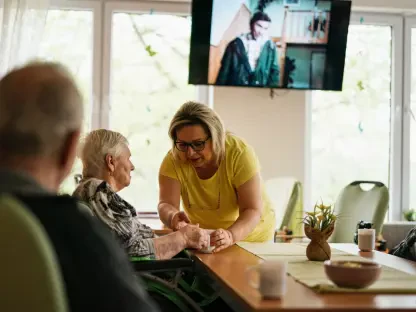
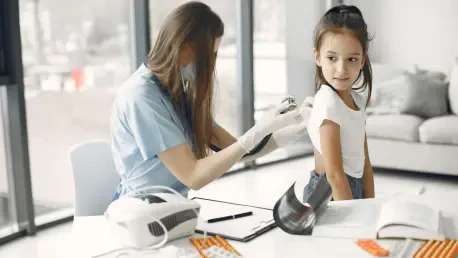
The long-term success of this modern medical approach relies heavily on a hybrid framework that blends a physical onsite presence with sophisticated digital expertise. For several years, the local school system has maintained a consistent model where a dedicated, licensed nurse is stationed on every campus to serve as the initial point of contact for student triage and immediate care. These healthcare professionals perform essential preliminary screenings, such as rapid tests for the flu or strep throat, before determining if the situation requires escalation to a remote provider. This established human infrastructure provides a reliable safety net for students and staff, allowing new technological upgrades to function within a well-organized and familiar clinical environment. By keeping a trained medical professional physically present, the district ensures that the human element of care is never lost, even as the diagnostic process becomes increasingly automated through remote connectivity.
Clinical Precision: Transitioning to Advanced Remote Triage Protocols
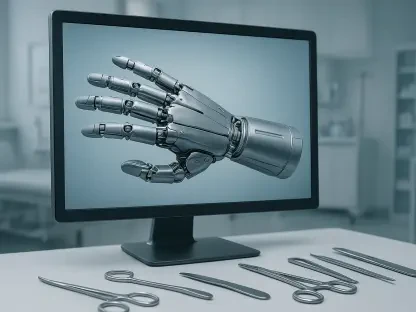
The transition to state-of-the-art diagnostic equipment allows remote medical providers to conduct thorough physical assessments with clinical precision that was once impossible outside of a hospital. Through high-definition imaging and specialized digital otoscopes, practitioners can examine a student’s ears, eyes, and throat with remarkable clarity, identifying subtle inflammation or signs of infection from miles away. Furthermore, the technology supports high-fidelity remote auscultation, enabling providers to monitor heart rates and breathing patterns in real time using electronic stethoscopes. This level of detail bridges the gap between a simple check-up and a comprehensive clinical exam, ensuring students receive a legitimate diagnosis without ever having to leave the school building. The accuracy of these remote examinations has drastically reduced the need for follow-up visits at clinics, as the data collected on-site is sufficient for medical decision-making.
Enhancing Community and Classroom Continuity
Direct Engagement: Bridging the Gap Between Workplace and School
One of the most impactful features of modern school telehealth is the inclusion of parents in the diagnostic process through secure, real-time digital interfaces. When a student requires a virtual consultation, parents receive an instant invitation on their smartphones or computers, allowing them to join the exam and speak directly with the medical provider. This inclusive care model ensures that guardians see exactly what the provider sees and can participate in medical discussions without having to leave their place of work or navigate transportation issues. If a child is diagnosed with a treatable illness, providers can instantly send electronic prescriptions to a local pharmacy of the parent’s choice, allowing treatment to begin immediately. This streamlined communication loop reduces the logistical burden on families and ensures that parents are fully informed participants in their child’s healthcare journey, regardless of where they are physically located during the school day.
Strategic Evolution: Scaling Regional Health Infrastructure for the Future
The successful implementation of this system suggested that future expansions should prioritize mental health integrations and behavioral therapy modules. Educational leaders realized that the same high-speed bandwidth used for physical examinations could facilitate virtual counseling sessions for students struggling with anxiety or learning disabilities. By analyzing the data from the initial phase of the program, the district determined that investing in upgraded fiber optic networks was the most critical step for maintaining clinical stability across multiple campuses. This transition toward a more holistic digital ecosystem proved that technical infrastructure was just as important as medical personnel in the rural landscape. Furthermore, the decision was made to incorporate mobile health vans to reach families in isolated pockets, ensuring the benefits of the school-based hub extended beyond the campus gates. These advancements provided a clear roadmap for jurisdictions seeking to replicate this care.