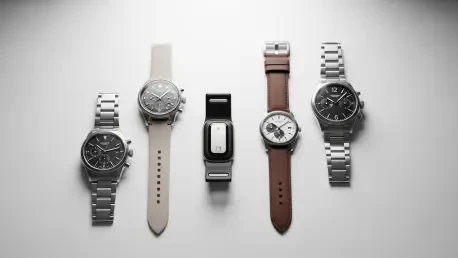

The enduring appeal of a mechanical timepiece often clashes with the modern necessity of biological monitoring, forcing enthusiasts to choose between a masterpiece of gears and a plastic fitness tracker. For years, the horological community sought a middle ground that did not involve wearing a device on each wrist or compromising the sapphire crystal of a Swiss-made movement. The arrival of XBAND represents a significant shift in this dynamic by embedding high-precision biometric sensors directly into the watch strap and clasp assembly. This innovation allows users to maintain the classic aesthetic of their favorite vintage or contemporary mechanical watches while gaining access to advanced health metrics usually reserved for digital screens. By focusing on the hardware that holds the watch rather than the watch itself, this technology effectively bypasses the obsolescence cycle that plagues most wearable electronics. It bridges a gap that has existed since the first fitness bands appeared, offering a sophisticated solution for those who value tradition but require data. Collectors can finally enjoy their horological investments without sacrificing the insights provided by modern health technology.
Invisible Engineering: Miniaturizing Health Sensors
The primary challenge in creating a smart watchband lies in the limited physical volume available within a standard buckle or deployment clasp for sophisticated electronics. Engineers behind XBAND managed to consolidate a multi-axis accelerometer, a photoplethysmogram sensor, and a low-energy Bluetooth module into a space no larger than a standard luxury watch clasp. Using high-grade 316L stainless steel for the housing ensures that the delicate internal components remain protected from daily wear, moisture, and impact while maintaining a weight that feels substantial yet balanced. This design philosophy prioritizes a stealthy presence, where the existence of technology is nearly impossible to detect from a cursory glance at the wearer’s wrist. By utilizing advanced circuitry, the system captures continuous data points regarding heart rate, sleep quality, and daily movement patterns without requiring a glowing display. This architectural achievement allows the strap to be swapped between different watch heads, ensuring the smart features remain constant across a diverse collection of luxury pieces.
Data accuracy often serves as a point of contention for wearable devices, yet the positioning of sensors on the underside of the wrist provides a unique advantage for signal clarity. Traditional smartwatches must contend with the shifting mass of the watch body, but the XBAND assembly utilizes a specialized tensioning system within the strap to maintain consistent skin contact. This stability is crucial for the photoplethysmogram sensors to accurately measure blood oxygen levels and heart rate variability through the vascular-rich tissue of the inner wrist. Furthermore, the integration of edge computing allows the device to filter out noise caused by environmental vibrations or mechanical movements from the watch itself. This ensures that the tracked metrics are as reliable as those found in dedicated fitness trackers, despite the absence of a bulky interface. Because the sensor array is modular, it can be updated or serviced without interfering with the mechanical movement of the watch it supports. This separation preserves the longevity of the mechanical investment while keeping the health capabilities precise.
Strategic Implementation: Enhancing the Collection
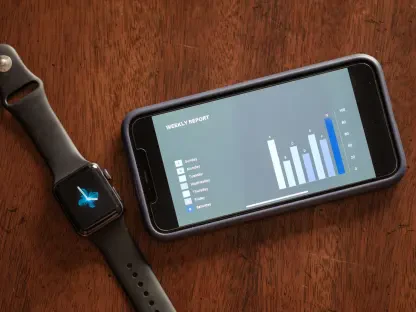
The absence of a screen on the strap itself serves a dual purpose: it preserves the classic look of the watch and prevents the constant barrage of notifications that many find distracting. Instead of displaying data in real-time on the wrist, the XBAND synchronizes with a dedicated mobile application through an encrypted background connection. This application acts as a comprehensive health dashboard, providing detailed visualizations of physical activity, recovery scores, and long-term health trends. The interface was designed to be intuitive, offering insights into how daily habits affect overall well-being without overwhelming the user with raw data. Integration with established health ecosystems allows the information to be consolidated alongside other medical records for a holistic view of the wearer’s fitness. This methodology respects the wearer’s attention, treating health data as a resource to be consulted when convenient rather than an interruption. It transforms the mechanical watch into a silent guardian of health, working in the background while the movement remains the focus.
The successful integration of these stealthy tracking features marked a turning point for collectors who previously felt alienated by the rapid digitization of the watch industry. Those who adopted this hybrid approach found that they no longer had to compromise on their personal style to gain the benefits of modern preventative health technology. It became clear that the value of a timepiece was enhanced by invisible utility, provided that the core mechanical experience remained untouched. Moving forward, owners of significant collections evaluated their current hardware to identify which pieces benefited most from this invisible upgrade. Selecting a strap that complemented the lug width and finish of a primary timepiece was the first step toward creating a personal health monitoring system. Maintaining the leather or metal of the smart strap with the same care as the watch itself ensured that the unit remained a durable part of the ensemble. Collectors viewed these advancements as a means of future-proofing their passion, allowing a century-old mechanical design to thrive in an era of wellness.