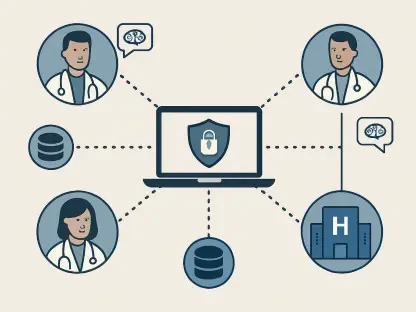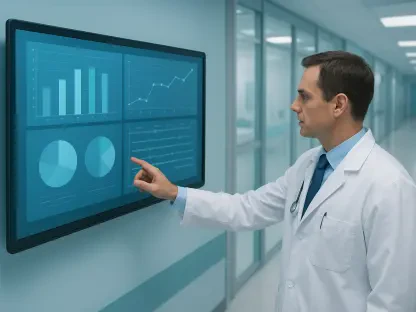

The landscape of American medical services is currently undergoing a profound and necessary transformation as major urban healthcare centers shift their focus away from episodic visits toward a permanent, digitally-integrated primary care model. In cities like Philadelphia, the initial move toward telehealth, once seen as a temporary measure, has matured into a sophisticated strategy for preventive health management. Large-scale medical institutions are no longer utilizing video platforms merely to address seasonal colds or simple prescription refills; instead, they are rebuilding the entire patient journey around digital access. This institutional evolution allows for the creation of a sustainable medical home that emphasizes proactive wellness rather than reactive treatment. By positioning virtual primary care at the center of the healthcare experience, providers are ensuring that patients remain connected to professional guidance regardless of geographical or logistical constraints. This shift represents a fundamental redesign of how health is maintained in a modern society.
The Evolution: Building Digital Foundations
The contemporary approach to digital health is moving rapidly toward a longitudinal model that prioritizes long-term relationships between patients and their specific primary care physicians. Unlike the fragmented, one-off interactions typical of early urgent care apps, the new virtual home base allows a single doctor to oversee a patient’s comprehensive medical history over many years. This consistency is vital for tracking essential health milestones such as colonoscopies, mammograms, and routine chronic disease screenings that might otherwise be overlooked in a disjointed system. When a provider maintains a digital connection with a patient, they can monitor health trajectories with greater precision, ensuring that preventive measures are scheduled and completed on time. This relationship-centered structure transforms the digital screen from a tool of convenience into a foundational component of a patient’s overall life-long medical strategy, fostering trust and continuity.
Establishing a Sustainable Medical Home Base
Lowering the barrier to entry through virtual platforms has proven particularly effective for patients who traditionally avoid the doctor’s office due to anxiety or logistical hurdles. For many individuals, the stress associated with traveling to a sterile clinical environment or navigating complex urban parking can lead to the postponement of necessary check-ups and early screenings. Virtual primary care removes these physical stressors, allowing patients to engage with their physicians from the comfort and security of their own homes. This increased ease of access encourages more frequent contact, which enables doctors to detect subtle changes in health before they develop into more serious conditions. Furthermore, the familiarity of the home setting often leads to more transparent communication, as patients feel more relaxed and willing to share details about their lifestyle and daily habits. This openness is a critical factor in creating a personalized and effective preventive health plan.
Reducing Barriers for Care-Avoidant Populations
Beyond general anxiety, the logistical burden of traditional care often excludes those with demanding professional schedules or caregiving responsibilities. By offering appointments that can be conducted during a lunch break or between household tasks, virtual primary care has successfully recaptured a demographic that previously only sought help during medical emergencies. This shift toward “meeting the patient where they are” has resulted in a more diverse patient base engaging in routine maintenance. The ability to consult a physician without sacrificing half a work day means that minor concerns are addressed before they escalate into costly hospitalizations. As patients become more accustomed to these low-friction touchpoints, the cultural perception of the doctor’s visit is changing from an intrusive chore to a seamless part of a healthy lifestyle. This normalization of regular medical contact is perhaps the most significant achievement of the modern digital-first primary care movement.
Clinical Innovation: Redefining Medical Assessment
Physicians are increasingly refining specialized telemedicine techniques that allow them to perform thorough physical assessments through a high-definition video interface. While the lack of physical touch was once viewed as a major limitation, doctors have learned to leverage visual cues such as respiratory rate, skin tone, and facial symmetry to form highly accurate clinical impressions. By observing a patient’s posture and movement during a conversation, a trained practitioner can identify signs of neurological issues or musculoskeletal discomfort that might require further investigation. These observational skills are supplemented by detailed patient histories that go deeper than traditional intake forms, allowing for a comprehensive understanding of the patient’s current state. This method of visual medicine relies on the provider’s ability to interpret subtle physical indicators that are often just as revealing as a manual exam, ensuring that the quality of diagnostic care remains high.
Evaluating Health Through Social Determinants
One of the most significant advantages of virtual primary care is the unique living room perspective it provides, offering insights into the social determinants of health. When a physician sees a patient in their natural environment, they can identify environmental factors that are completely invisible in a standard exam room. For instance, a doctor might notice a lack of healthy food options in the background, evidence of social isolation, or physical hazards such as loose rugs and poor lighting that could lead to falls for elderly patients. These observations allow practitioners to suggest targeted interventions, such as home-care support or dietary counseling, that address the root causes of potential health issues. By understanding the context in which a patient lives, works, and plays, providers can tailor their preventive advice to be more practical and effective. This holistic view of the patient’s life is becoming a cornerstone of modern, community-based preventive medicine.
Implementing Hybrid Care and Localized Resources
The adoption of virtual primary care successfully reached diverse populations, ranging from tech-savvy young adults to elderly patients in their late nineties who benefited from reduced travel. Families managing complex childhood conditions, such as autism or cerebral palsy, found significant relief as the logistical burden of visiting specialized urban medical centers was greatly diminished. These digital platforms proved that identifying and treating issues like hypertension or high cholesterol today could effectively prevent life-threatening events like strokes a decade later. It was recommended that patients actively audited their insurance plans for robust telehealth coverage and that medical schools incorporated remote-physical hybrid protocols into their core curricula to prepare future practitioners. The transition demonstrated that the redesign of preventive health was both digital and personal, establishing a scalable solution for a healthier society through the smart use of technology.