
While mortality rates for advanced renal disease remain tied to underlying comorbidities, the quality of life and stability of care are profoundly enhanced by real-time digital therapy oversight. The management of end-stage renal disease has transitioned toward home-based solutions, allowing patients to maintain their autonomy while receiving vital care. A comprehensive retrospective analysis spanning the period from 2008 through 2025 has clarified how the intersection of procedural timing and digital intervention influences clinical stability. By examining nearly two decades of data, researchers found that the traditional barriers to immediate therapy initiation are dissolving in the face of better surgical techniques and sophisticated oversight. This shift represents a broader movement in nephrology toward proactive care, ensuring that patients transition into dialysis with fewer disruptions than were possible in earlier years. Technology now acts as a critical safeguard, providing a bridge between the clinical setting and the domestic environment for patients managing chronic conditions.
Analyzing Timing and Technology
Understanding Early Start and Patient Safety
The historical caution regarding the initiation of peritoneal dialysis often stemmed from the fear of compromising the integrity of the catheter site. Clinicians typically adhered to a mandatory two-week “break-in” period to ensure that the surgical wound healed sufficiently to prevent leaks or displacement. However, this delay often forced patients into urgent-start hemodialysis, which carries its own set of significant risks, including the use of central venous catheters and increased infection potential. The study focused on the “early-start” window, defined as beginning dialysis within 14 days of catheter placement, to determine if this accelerated timeline was truly detrimental to patient health. By comparing outcomes between those who waited and those who began therapy sooner, the research provided a new perspective on the resilience of modern surgical techniques. It emphasized that waiting may no longer be the gold standard when the clinical needs of the patient require more immediate renal replacement intervention.
Digital Integration in Home-Based Therapy
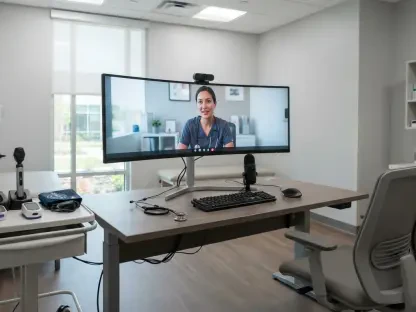
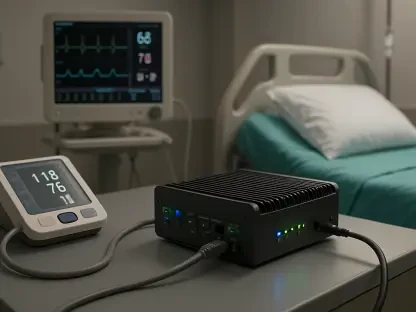
Parallel to the debates regarding procedural timing, the implementation of Remote Patient Monitoring (RPM) has redefined the standards of care for home-based therapy. In late 2020, healthcare providers began integrating digital platforms that allowed for the real-time transmission of dialysis data from the home to the medical facility. This technological leap enabled nursing teams to monitor ultrafiltration volumes and equipment performance without requiring the patient to travel for routine checks. The contrast between traditional manual reporting and digital oversight became a central theme of the analysis, revealing how constant connectivity influences safety. Digital monitoring essentially created a virtual safety net, allowing for the early detection of physiological changes that would have otherwise gone unnoticed until the next scheduled clinic visit. This shift from intermittent check-ups to continuous data flow has empowered providers to manage chronic kidney disease with precision while maintaining the patient’s home lifestyle.
Clinical Outcomes and Safety
Confirming Mechanical Success in Early Initiation
The technical success of peritoneal dialysis hinges on the long-term functionality of the catheter, yet the study found that starting therapy early did not increase the likelihood of mechanical failure. Across the various patient groups examined between 2008 and 2025, there was no statistically significant difference in the incidence of catheter malposition or fluid leaks. This finding suggests that the structural integrity of the dialysis access site is more dependent on surgical technique and patient-specific factors than on the length of the resting period. Consequently, the flexibility to initiate therapy within the first 14 days allows medical teams to tailor the start of treatment to biochemical markers rather than adhering to an arbitrary chronological rule. By debunking the myth that early initiation leads to technical complications, the study encourages a more personalized approach. This evidence supports the use of early-start protocols as a viable alternative for patients who require urgent dialysis to manage their condition effectively.
Infectious Risks and the Era-Effect
Infection control remains a primary concern for any patient undergoing peritoneal dialysis, particularly regarding the risk of peritonitis. The research indicated that while peritonitis rates varied across the different cohorts, the timing of the dialysis start was not the primary driver of infectious complications. Instead, the lower rates of infection observed in the modern era were largely attributed to the “era-effect,” which encompasses improved clinical protocols, better patient education, and digital monitoring. Those utilizing remote tracking showed significantly fewer instances of infection compared to historical groups, likely due to the ability of clinicians to spot early signs of trouble through therapy data fluctuations. While infectious risks cannot be entirely eliminated in a home-based setting, the data suggests that modern technology provides a layer of defense that mitigates the potential hazards of early therapy initiation. Safety in peritoneal dialysis is increasingly a function of high-tech oversight rather than simple time-based healing of the surgical site.
Transforming Patient Outcomes Through Oversight
The most compelling evidence in favor of digital integration was the staggering reduction in hospitalization rates among patients who utilized remote monitoring. The study recorded nearly a ten-fold decrease in all-cause hospital stays for those in monitored groups compared to patients relying on traditional manual reporting. This disparity highlights the proactive nature of digital healthcare, where minor issues such as ultrafiltration variances are resolved before they escalate into medical emergencies. By allowing clinicians to intervene at the first sign of a problem, remote monitoring keeps patients out of the hospital, preserving their quality of life and reducing the strain on the healthcare system. The ability to manage therapy remotely transforms the patient experience from one of constant vigilance to one of supported independence. This reduction in inpatient care also translates to lower healthcare costs and more efficient resource allocation, proving that technology is a vital asset for managing complex renal conditions in a domestic environment.
Future Implications for Nephrology
1. Does starting dialysis within 14 days cause more leaks?
Addressing concerns regarding catheter integrity, the research clarified that initiating dialysis within the first two weeks does not result in a higher frequency of leaks. Analysis of patient data showed that mechanical complications were distributed evenly between those who started early and those who followed the traditional break-in period. This stability is largely attributed to the refinement of surgical placement techniques and the use of automated cycles that manage intra-abdominal pressure more effectively. By utilizing lower fill volumes in the early stages, clinicians were able to provide necessary filtration without stressing the wound site. This means that for the vast majority of patients, the 14-day waiting period is no longer a strict clinical requirement but rather a legacy guideline that can be bypassed when immediate intervention is necessary. The findings suggest that as long as standardized surgical protocols are followed, the risk of early mechanical failure remains remarkably low, giving nephrologists more confidence in their bedside decision-making process.
2. Is early-start dialysis as safe as the traditional approach?
The safety of early-start protocols extends beyond just mechanical stability to include overall patient outcomes and survival. The study confirmed that starting therapy sooner did not lead to higher rates of hospitalization when compared to delayed starts. In fact, by avoiding the need for temporary hemodialysis and the subsequent insertion of high-risk vascular catheters, early-start peritoneal dialysis might actually prevent certain types of systemic infections. This evidence supports a paradigm shift where the speed of initiation is prioritized to match the patient’s clinical urgency. Modern medical practices have evolved to support this transition, ensuring that patients can move into their home-based treatment routines with minimal delay. This approach not only improves clinical efficiency but also reduces the anxiety patients often feel during the waiting period after surgery. The integration of early-start protocols into standard nephrology practice represents a significant advancement, offering a more responsive and patient-centered model of care.
1. How does RPM reduce hospital admissions?
The effectiveness of remote monitoring in reducing hospital admissions is rooted in its ability to facilitate early intervention. When patients use digital platforms, their treatment data is transmitted daily to a central dashboard where specialized nurses can review performance metrics. If the system detects a drop in ultrafiltration, the medical team can contact the patient immediately to troubleshoot the issue or adjust the prescription remotely. This rapid response prevents the accumulation of fluid that would typically lead to a hospital visit. In contrast, patients without monitoring often wait until they feel physically ill before contacting their doctor, by which point the situation may have become a crisis. The study proved that this proactive oversight was the most important factor in lowering the burden on inpatient facilities. By catching minor deviations early, the medical team maintained the patient’s health within a safe range, effectively turning potential emergencies into simple home adjustments through digital communication.
2. Does digital monitoring improve patient survival rates?
The medical community established that while remote monitoring dramatically lowered hospital admissions, it did not significantly alter the inherent mortality rates associated with advanced renal disease. Consequently, the primary value of technology lay in its capacity to enhance the quality of daily life and maintain clinical stability in a home setting. Moving forward from 2026, providers were encouraged to implement advanced predictive modeling to identify subtle changes in patient health before they manifest as clinical symptoms. These findings led to the recommendation that healthcare systems invest more heavily in digital training for patients to maximize the benefits of home-based therapy. By transitioning to this proactive model, nephrology centers achieved a more sustainable approach to chronic disease management, effectively reducing the overall burden on the public health infrastructure. The transition toward technology-enabled home therapy became a cornerstone of modern nephrology, ensuring that patients receive the highest standard of care while remaining in their own homes.