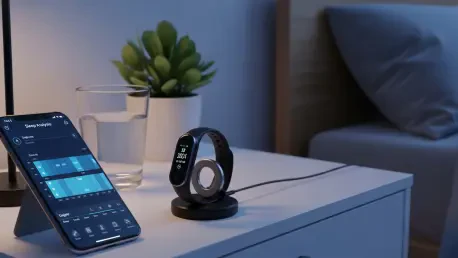

The global fitness landscape has undergone a profound transformation as consumers increasingly reject the constant barrage of digital interruptions in favor of tools that promote genuine mindfulness and physical well-being. This shift has paved the way for the emergence of screenless wearables, which prioritize the collection of high-fidelity biometric data while encouraging users to disconnect from the frantic pace of modern notifications. Two devices now stand at the forefront of this minimalist revolution: the Garmin Cirqa and the Fitbit Air, both of which represent the pinnacle of current sensor technology without the distraction of a glowing wrist display. By moving the interface entirely to the smartphone, these devices allow for more sophisticated industrial designs and longer-lasting batteries, catering to a demographic that values long-term health trends over immediate social media pings. As users seek deeper insights into their physiological state, the choice between these two powerhouses becomes a matter of weighing premium specialized features against accessible, AI-integrated ecosystems.
Pricing and Market Strategy: Financial Accessibility
The financial barrier to entry serves as the most immediate differentiator between these two health-focused companions, reflecting the distinct corporate philosophies of their manufacturers. The Garmin Cirqa arrives with a premium price tag of $199.99, positioning itself as a high-end investment for serious athletes and health enthusiasts who demand durability and precise customization. This higher cost includes access to a variety of physical finishes and strap sizes, ensuring that the hardware complements the wearer’s personal style while maintaining its status as a piece of professional-grade equipment. In stark contrast, the Fitbit Air is priced aggressively at $99.99, making it one of the most affordable gateways into a comprehensive health monitoring system currently available. By lowering the price, Google has successfully brought advanced biometric tracking to a broader audience, emphasizing volume and ecosystem integration over the hardware margins that Garmin pursues with its more exclusive and rugged product lineup.
Beyond the initial purchase price, the ongoing value proposition of these devices is tied closely to the subscription models that unlock their full analytical potential. Garmin tends to attract users who are willing to pay more upfront for a device that feels robust and permanent, viewing the Cirqa as a long-term partner in their fitness journey. Conversely, the Fitbit Air is designed as a frictionless entry point, appealing to those who may be curious about screenless tracking but are hesitant to commit a significant portion of their budget to a single gadget. This economic divide ensures that both products find their respective niches, with Garmin capturing the high-performance enthusiast market while Fitbit dominates the mass-market wellness space. The decision often hinges on whether a consumer views their wearable as a specialized tool for specific health outcomes or as a lightweight accessory that provides a general overview of daily activity throughout the year. Both approaches have proven successful, yet they cater to very different expectations regarding the cost of high-quality health data.
Design Philosophy: Ergonomics and Industrial Aesthetics
The physical manifestation of these trackers reveals a significant divergence in how each brand envisions the ideal user experience for a screenless device. The Fitbit Air is engineered with a philosophy of total invisibility, featuring a pebble-like sensor module so small that it can be tucked away under a shirt sleeve or worn alongside a traditional mechanical watch without drawing any attention. This design is particularly appealing to those who suffer from screen fatigue and want to track their metrics without looking like they are wearing a piece of technology. The materials are lightweight and soft, often utilizing recycled polymers that feel natural against the skin, reinforcing the idea that the tracker should be a passive observer rather than a prominent accessory. It is a masterclass in unobtrusive engineering, prioritizing comfort during sleep and high-intensity movement alike, which encourages consistent, around-the-clock wear for more accurate and comprehensive data collection.
In contrast, the Garmin Cirqa adopts a more substantial and intentional presence on the wrist, utilizing higher-grade materials that evoke the feeling of a rugged outdoor instrument. It is slightly larger than its competitor, but this extra volume is put to good use by housing a more robust internal framework that can withstand harsher environments and more rigorous use cases. The Cirqa feels like a dedicated piece of gear, offering a tactile satisfaction that the more diminutive Fitbit Air lacks, making it the preferred choice for individuals who want their wearable to reflect their commitment to a disciplined fitness lifestyle. This focus on build quality means the Garmin device is less likely to be forgotten or misplaced, as its weight provides a constant, reassuring reminder of its presence. While it is still minimalist by modern standards, its aesthetic is more industrial chic than invisible, appealing to a demographic that appreciates the fusion of high-tech sensors with traditional craftsmanship and durability.
Software Integration: Intelligence and Analytical Coaching
The true power of these screenless devices lies within the mobile applications that interpret the silent streams of data they collect throughout the day and night. For the Garmin Cirqa, the Connect Plus subscription service introduces a sophisticated Active Intelligence layer that serves as a bridge between raw numbers and daily behavioral changes. This system analyzes heart rate variability, sleep stages, and recent exertion levels to provide users with specific, evidence-based recommendations on when to push their physical limits and when to prioritize recovery. The software environment is dense with information, catering to the data enthusiast who enjoys diving into charts and long-term trend analysis to fine-tune their training protocols. It is a clinical approach to wellness, providing a level of detail that satisfies those who want to understand the physiological why behind their performance peaks and troughs, ensuring every movement is quantified and utilized for growth.
Google’s approach with the Fitbit Air takes a different path by leaning into the capabilities of generative artificial intelligence through its Health Premium platform. The Google Health Coach is designed to be a conversational partner, translating complex biometric markers into plain, actionable language that feels like advice from a personal trainer. Rather than overwhelming the user with raw data points, the AI focuses on identifying patterns and suggesting small, manageable habit shifts that can lead to significant long-term improvements. This makes the Fitbit ecosystem feel more approachable for the average person who may not have a background in exercise science but wants to feel better on a daily basis. The integration with Google’s wider suite of services also means that health insights can be cross-referenced with other data points, creating a more holistic picture of how lifestyle factors like calendar density impact overall well-being and stress levels.
Operational Efficiency: Power and Specialized Biometrics
Removing the high-drain display allows these trackers to achieve battery lives that were previously unthinkable for devices with such high sensor density. The Garmin Cirqa leads the industry in this category, offering up to ten days of continuous operation on a single charge, which effectively eliminates the charging anxiety that plagues many smartwatch users. This extended longevity is crucial for capturing a seamless record of heart rate and respiratory data, as it minimizes the gaps in tracking that occur when a device must be removed for power. For users who frequently travel or participate in multi-day outdoor excursions, the Cirqa’s endurance makes it an indispensable tool that requires very little maintenance. The power management system is finely tuned to prioritize high-frequency sampling of vital signs, ensuring that even during the longest stretches between charges, the accuracy of the health insights remains uncompromised by energy-saving throttling.
While the Fitbit Air also includes advanced temperature sensors and can track deviations from a baseline, it lacks the formal third-party clinical integration that gives Garmin its competitive edge in the reproductive health space. Fitbit’s software focuses more on general wellness indicators, using temperature data to alert users to potential illnesses or the impact of stress on their bodies. This makes the Fitbit Air a more versatile generalist, suitable for someone who wants a broad overview of how their body is reacting to various stressors rather than a specialized tool for one specific medical purpose. The data provided by Fitbit is easy to understand and well-integrated into the broader health dashboard, but it does not offer the same level of diagnostic-leaning insights that the Garmin-Natural Cycles partnership provides. Ultimately, the choice depends on whether the user requires a general wellness companion or a specialized device for monitoring complex hormonal and reproductive fluctuations.
Strategic Selection: Long-Term Wellness Outcomes
The introduction of these screenless wearables addressed a growing demand for technology that enhanced health without dominating the user’s attention or mental space. Consumers who prioritized high-performance durability and specialized medical integrations found that the Garmin Cirqa provided the most robust set of tools for long-term physiological monitoring. Those who sought a more affordable and seamlessly integrated entry into the Google ecosystem gravitated toward the Fitbit Air, benefiting from its lightweight design and intuitive AI coaching features. Selecting the right device involved a careful assessment of personal health priorities, such as whether fertility tracking or budget-friendly habit formation took precedence in the user’s daily routine. Both manufacturers demonstrated that removing the visual interface allowed for a more focused and effective approach to biometric data collection. Moving forward, the most successful implementations occurred when users aligned their requirements with these platforms.
Achieving the best results with screenless technology required more than just wearing the device; it demanded an active engagement with the data provided via the smartphone interface. For those seeking to optimize their physical performance, the next step involved setting specific biometric goals within the Garmin or Fitbit apps to trigger more personalized AI insights. Integrating these wearables into a broader lifestyle of mindfulness allowed individuals to regain control over their digital environment while maintaining a rigorous focus on their biological health. As the market moved further toward specialized sensors, users found that the true value of their investment was realized through consistent wear and the gradual accumulation of long-term wellness trends. By choosing the device that matched their specific physiological needs, consumers successfully transitioned into a more balanced relationship with their personal technology. Future considerations included the expansion of third-party clinical partnerships that further automated the diagnostic capabilities.