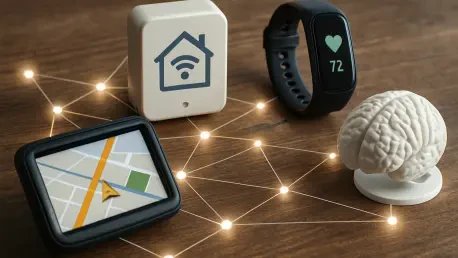
Modern life is increasingly defined by an invisible web of sensors that have migrated from the vast stretches of city infrastructure into the intimate corners of the private home. While the early days of the Internet of Things were dominated by the logistical management of public assets and the
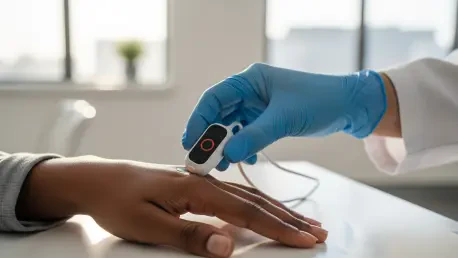
The persistent gap in medical diagnostics has long meant that the simple act of measuring blood oxygen levels could yield dangerously inaccurate results depending solely on the amount of melanin in a patient's skin. Philips recently achieved a pivotal milestone by securing FDA 510(k) clearance for

The global behavioral healthcare system currently operates under a state of perpetual emergency where the volume of individuals seeking help is significantly larger than the available pool of licensed therapists. Statistics from the past year reveal that millions of adults experiencing moderate to
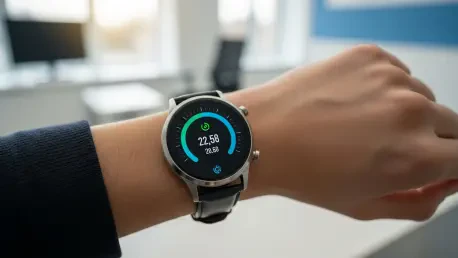
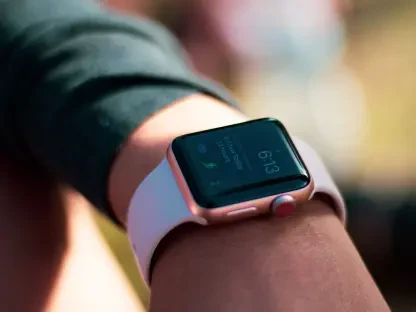
The promise of modern wearable technology was rooted in the idea that more data would lead to better health outcomes, yet many users now find themselves trapped in a cycle of digital anxiety. As wrist-worn sensors become more sophisticated, tracking everything from blood oxygen levels to autonomic

The era when patients only sought medical attention after experiencing physical symptoms is rapidly becoming a relic of the past as healthcare systems pivot toward proactive management. This evolution is characterized by the transformation of information management systems from static digital
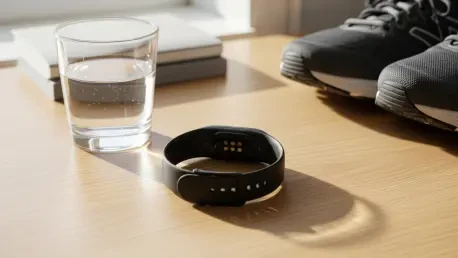
The sudden explosion of smart ring popularity has left many tech enthusiasts wondering if bulky wrist-worn devices are becoming relics of a bygone era in personal health monitoring. While the sleek, screen-free allure of the Oura or Samsung Galaxy Ring is undeniable, these high-fashion accessories