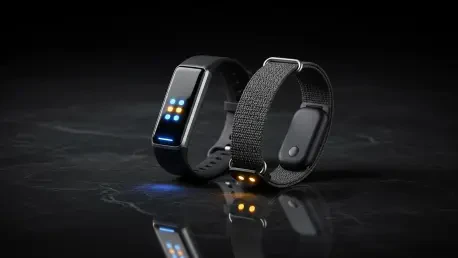

The modern fitness landscape has undergone a radical transformation as athletes increasingly prioritize deep data over the constant distraction of notifications and glowing wrist-based displays. This shift has paved the way for the rise of screenless trackers, a niche once dominated by enthusiasts but now central to the mainstream conversation about health and longevity. For those who value a minimalist aesthetic or prefer to wear a traditional timepiece alongside their fitness technology, the choice often boils down to two heavyweights: the Garmin CIRQA and the Whoop 5.0. While both devices aim to disappear on the wrist, they represent starkly different philosophies regarding data ownership, hardware design, and physiological interpretation. This competition is not just about which device counts steps better; it is a battle for the soul of the wearable industry, forcing a choice between the reliability of established sports science and the cutting-edge insights of a subscription-based coaching platform. As the market reaches a fever pitch, understanding the nuances of these two titans becomes essential for anyone looking to optimize their physical performance or daily wellness routines without the clutter of another digital interface.
Financial Structures: Comparing Lifetime Costs and Value
Financial commitment serves as the primary barrier of entry and the most significant long-term differentiator between these two market leaders. The Garmin CIRQA adheres to a traditional consumer electronics model, offering a straightforward upfront price of $199.99 that grants the user full ownership of the hardware. This one-time investment provides access to a comprehensive suite of health and training metrics without the looming pressure of mandatory monthly fees. While Garmin does maintain a premium tier for advanced coaching and specialized mapping features, the device remains a robust data collector and analyzer even for those who never spend another dime. This “buy-once” approach appeals to users who are weary of the growing “subscription fatigue” in the tech industry, offering a predictable cost of ownership that makes the device a sustainable choice for long-term health monitoring over several years.
In contrast, the Whoop 5.0 operates on a service-based membership model where the hardware is effectively a secondary component of the subscription. To access the data collected by the strap, users must commit to a membership plan that typically ranges from $199 to over $350 per year, depending on the commitment length and the inclusion of specific high-level health features. This creates a massive economic divide over time; while the CIRQA remains at its initial price point, a Whoop user could easily spend nearly a thousand dollars over a three-year period. Whoop justifies this recurring cost by positioning itself not as a hardware company, but as a personalized coaching service that constantly evolves through software updates and AI-driven insights. For the consumer, the decision rests on whether the continuous stream of refined data and lifestyle coaching provides enough perceived value to outweigh the significantly higher lifetime cost.
Physical Architecture: Dimensions and Charging Solutions
Ergonomics and daily wearability are critical for devices intended to be worn twenty-four hours a day, including during sleep and high-intensity activities. The Garmin CIRQA is noted for its incredibly lightweight construction, making it almost imperceptible during a long run or a deep sleep cycle. However, its physical footprint on the wrist is slightly more elongated than its competitor, which some users find more intrusive when wearing tight-fitting sleeves or formal attire. The strap system is functional and secure, but it lacks the wide variety of high-fashion accessories that some other brands offer. Despite its longer profile, the CIRQA maintains a very thin depth, allowing it to sit flush against the skin for consistent sensor contact, which is paramount for the accuracy of its optical heart rate measurements during movement.
Power management and the charging user experience provide another clear point of divergence between the two devices. Whoop 5.0 distinguishes itself with a unique charging solution that allows for 100 percent continuous data collection. Instead of removing the device to plug it in, users slide a small, wireless battery pack onto the tracker while it remains on the wrist. This system supports Whoop’s fourteen-day battery life and ensures that there are never any gaps in heart rate or recovery data. The Garmin CIRQA, while offering a respectable ten-day battery life, requires a proprietary cable for recharging. This inevitably leads to small windows of time where no data is collected, a trade-off that may frustrate those who are obsessed with having a perfect, uninterrupted record of their physiological state. While the CIRQA charges quickly, the requirement to be tethered to a wall remains a traditional hurdle in an otherwise modern design.
Analytical Approaches: Performance Versus Recovery Metrics
The internal logic used to process raw sensor data reveals a fundamental difference in how Garmin and Whoop view human performance. Garmin functions essentially like a screenless version of its famous sports watches, prioritizing traditional athletic metrics such as VO2 Max, training status, and anaerobic thresholds. It is a tool built for the “output” phase of fitness, focusing on how fast, how far, and how powerful an athlete is becoming. Because it integrates seamlessly with Garmin’s broader ecosystem, including cycling computers and power meters, the CIRQA acts as a central hub for serious training data. It tells the user exactly what they achieved during a workout and how that effort contributes to their long-term fitness goals, making it the preferred choice for those training for specific events or personal records.
Whoop 5.0, conversely, pivots away from pure performance metrics to focus on the physiological cost of activity through its proprietary Strain and Recovery scores. Rather than just recording the pace of a run, Whoop analyzes how hard the cardiovascular system worked to maintain that pace relative to the user’s current level of fatigue and sleep quality. The “Whoop Journal” is a key component of this philosophy, using artificial intelligence to correlate lifestyle choices—such as caffeine intake, late-night meals, or stress levels—with recovery outcomes the following morning. This turns the tracker into a behavioral coach that identifies exactly why a user might be feeling sluggish or peak-performing. It is a holistic approach that treats the twenty-three hours spent outside of the gym as being just as important as the one hour spent training, appealing to those who want to optimize their entire lifestyle.
Technological Integration: Sensors and Data Ecosystems
Both devices utilize sophisticated sensor arrays to track blood oxygen levels, skin temperature, and respiratory rates with high precision. Garmin utilizes its reliable Elevate Gen 4 sensor technology, which has been refined over years of use in its top-tier multisport watches. This sensor is known for its stability and accuracy across a wide range of skin tones and activity types. While Garmin focuses on the reliability of core metrics, Whoop 5.0 pushes into more advanced health territory by offering high-frequency sampling and medical-grade features in its higher-tier models. Certain Whoop configurations now include ECG capabilities and even blood pressure monitoring, providing a depth of medical insight that the standard CIRQA does not currently attempt to match. This makes Whoop a more attractive option for users who are managing specific health conditions or who want the most detailed possible picture of their internal biology.
Ecosystem compatibility often serves as the final deciding factor for a buyer who is already invested in a specific digital infrastructure. For the millions of people who already use Garmin watches, bike computers, or smart scales, the CIRQA is a natural extension of a single, unified platform. All data flows into the Garmin Connect app, ensuring that recovery scores and training loads are calculated using all available information without conflict. Whoop, however, prides itself on being a brand-agnostic option that integrates beautifully with a wide variety of third-party platforms, including Apple Health and Strava. This flexibility allows users to enjoy Whoop’s superior recovery insights while still using their preferred hardware for GPS tracking or specialized sports. The choice often comes down to whether a user prefers the “walled garden” efficiency of Garmin or the open-platform versatility that Whoop provides to its members.
Strategic Selection: Determining the Best Path Forward
The decision-making process for consumers often hinged on their desire for immediate utility versus long-term behavioral transformation. Analysts observed that the Garmin CIRQA successfully captured the segment of the population that viewed fitness tracking as a tool for objective measurement, similar to a speedometer or a scale. These individuals sought a reliable device that provided high-quality data without a recurring financial burden, allowing them to remain in control of their own analysis and training schedules. Meanwhile, the Whoop 5.0 cultivated a dedicated following among those who wanted a digital partner to nudge them toward better lifestyle choices through proactive coaching and environmental tracking. This divergence illustrated that there was no singular “best” device, but rather a best fit for specific human temperaments and goals.
Athletes who sought to improve their metrics looked toward these screenless options as a way to reclaim their attention while still harvesting the insights necessary for peak performance. The most effective strategy involved a thorough audit of one’s digital habits and a clear identification of which data points actually drove meaningful change in their daily lives. By prioritizing devices that complemented existing routines rather than complicating them, users moved closer to a state where technology served the body rather than the body serving the device. The lessons learned from this era emphasized that the most powerful health data was the kind that led to action, regardless of whether it came from a one-time purchase or a recurring subscription service. Moving forward, the industry continued to refine these “invisible” trackers, ensuring that the path to wellness remained personal, data-driven, and unobtrusive.