
The merger aims to solve the problem of data fragmentation by providing doctors with a holistic view of a patient’s activity levels and physiological markers before a consultation begins. This definitive agreement to acquire Counsel Health, an AI-driven virtual primary care partner, for $625 million signifies a massive strategic pivot. By completing this all-cash transaction by the end of the year, Oura transitions from a data-focused brand into a comprehensive healthcare provider. The integration allows 5.7 million members to move from simply monitoring physiological trends to engaging in direct medical encounters. This evolution effectively addresses the long-standing frustration of users who possess high-quality health data but lack a clear path toward professional medical guidance within a single interface. By closing the loop between biometrics and clinical action, the organization sets a new standard for how wearable technology companies can move beyond the limited scope of fitness tracking into the regulated world of primary medical care and chronic disease management.
Part 1: The Integration of Clinical Expertise and Biometrics
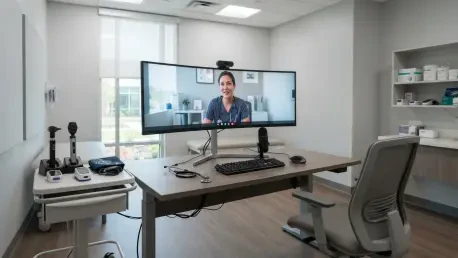
The integration of Counsel Health’s sophisticated platform into the Oura app creates a seamless bridge between continuous biometric monitoring and professional medical consultation. By utilizing a medical AI system designed for text-based triage, the new system analyzes comprehensive patient records to assist human physicians in real-time. This specific interface, known as the Clinician Cockpit, provides doctors with objective data—such as detailed sleep patterns, heart rate variability, and consistent activity levels—enabling personalized and proactive medical care. This level of insight allows for more accurate discussions regarding prescriptions, chronic care management, and referrals to specialists. Rather than relying on subjective patient recall during a short visit, doctors can now view weeks or months of biometric trends. This capability transforms the traditional medical encounter into a data-driven experience where the provider is already informed about the patient’s health baseline before the digital conversation begins.
Beyond individual patient care, the move is a tactical response to changing regulatory landscapes, specifically the Centers for Medicare and Medicaid Services’ ACCESS Model. This model focuses on scalable chronic care solutions, a field where continuous monitoring and AI-driven triage excel. The acquisition positions the company to capitalize on these federal shifts by offering a platform that can manage large populations efficiently while maintaining high standards of care. Recent data from the initial partnership phase demonstrated that 90% of members felt the inclusion of biometric data significantly improved the quality of their care. This proven synergy was a key driver for the deal, as it validated the hypothesis that users are eager for more integrated medical experiences. By bringing enterprise partnerships with health plans and employers in-house, the consolidated entity aims to expand its reach to millions of potential users who may not yet own a smart ring but are covered by these networks.
Part 2: Strategic Market Evolution and Practical Implementation
Financially, the acquisition underscores a robust market position that stands out in a volatile economic environment. Despite postponing a $15.6 billion initial public offering due to broader market fluctuations, the company reported a staggering 92% year-over-year revenue growth. Totaling nearly $1.8 billion for the last fiscal year, these figures provided the necessary capital to execute a large-scale all-cash transaction. Diversifying revenue streams through virtual care services is expected to increase customer lifetime value while reducing reliance on hardware sales alone. This shift toward a service-oriented model addresses the challenges faced by many wearable manufacturers that struggle with long-term user retention. By becoming a primary care provider, the brand secures a permanent place in the patient’s life, moving from an optional gadget to an essential component of health infrastructure. This financial strategy reflects a broader trend where tech companies are aggressively pursuing the lucrative healthcare sector.
The landscape of virtual healthcare shifted permanently when biometric monitoring and clinical action finally merged into a unified digital experience. Health systems and medical device manufacturers observed this transition as a blueprint for the future of decentralized patient management. To stay competitive, stakeholders in the digital health sector began prioritizing the development of interoperable data pipelines that could translate raw biometric signals into actionable clinical insights. Physicians were encouraged to adopt AI-augmented triage systems that reduced cognitive load and prioritized high-risk patients based on real-time physiological changes. Organizations that integrated these proactive tools saw immediate improvements in patient adherence and chronic disease outcomes. Moving forward, the focus remained on refining the balance between automated AI interactions and the essential human connection in medicine. This era established that the most effective healthcare models were those that operated 24/7 in the patient’s pocket.