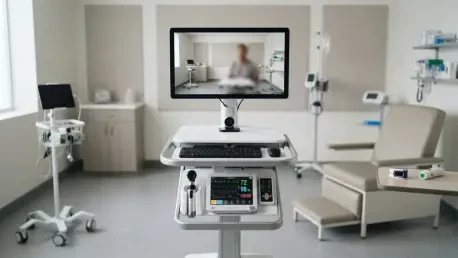

Continuous data streams from remote medical devices can prevent emergency hospitalizations for patients suffering from congestive heart failure. This reality is at the heart of the partnership between Medaica and Zoom Ventures, which marks a significant transition in how modern medicine is delivered outside the four walls of a hospital. While the initial wave of digital health relied heavily on standard video conferencing tools, the current landscape is evolving into what experts call Telehealth 2.0. This new paradigm focuses on medical intelligence rather than just communication, integrating sophisticated clinical data directly into the physician’s workflow. By securing strategic investment from the venture arm of a global communication leader, Medaica is positioned to bridge the long-standing gap between the convenience of home-based care and the diagnostic accuracy of an in-person physical examination. This collaborative effort emphasizes the development of a proprietary platform capable of syncing clinical-grade medical devices with high-speed video channels for real-time assessment.
Enhancing Diagnostics With Integrated Technology
Implementing Remote Auscultation: The Virtual Stethoscope
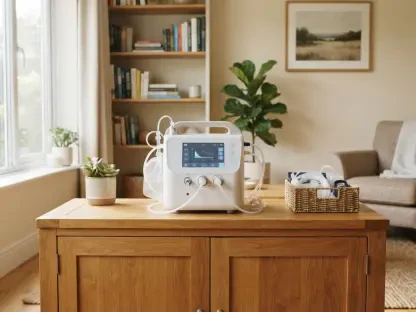
The cornerstone of this current offering is the deployment of FDA-cleared remote examination technology that specifically facilitates the practice of remote auscultation. In a traditional medical setting, a physician uses a manual stethoscope to evaluate the heart, lungs, and vascular system, but reproducing this level of accuracy virtually has historically been a significant challenge for the industry. Medaica’s platform addresses this limitation by enabling digital medical devices to transmit biological sounds with clinical-grade clarity to a remote physician in real time. This capability is vital for managing patients with cardiovascular and respiratory conditions, where hearing a slight murmur or crackle can alter the entire course of treatment. By utilizing high-fidelity audio streams, doctors can now make immediate clinical decisions during a standard call without requiring the patient to travel. This creates a legitimate clinical encounter that mirrors the rigor of an in-person clinic visit.
Beyond the immediate benefits of remote listening, the platform is intentionally designed with an open philosophy that allows it to integrate with a wide variety of third-party medical devices. This flexibility ensures that the digital infrastructure is not limited to a single manufacturer but can instead function as a central hub for various diagnostic tools. As medical hardware continues to advance throughout this decade, the system is prepared to encompass a wider range of biometric measurements, from advanced pulse oximetry to digital otoscopes and dermatoscopes. By acting as a cohesive workflow environment, Medaica ensures that multiple diagnostic tools can function within a single interface, which significantly enhances the utility of the virtual exam room for the practitioner. This interoperability is essential for building a future-proof healthcare ecosystem where new sensors can be added as they receive regulatory approval, ensuring that virtual examinations keep pace with hospital innovation.
Utilizing AI: Precision Through Machine Intelligence
Software sophistication is just as critical as hardware performance, and Medaica is focusing heavily on the integration of artificial intelligence and clinical decision-support tools. The primary goal of incorporating AI into the virtual care process is not to replace the human clinician but rather to augment their diagnostic capabilities through data-driven insights. In a remote setting where ambient noise might interfere with sound transmission, AI-assisted analysis can help filter out background interference and highlight specific anomalies in heart rhythms or lung patterns. These algorithms provide real-time data visualizations that assist the physician in interpreting complex physiological signals that might be missed by the naked ear or eye. This creates a data-rich environment that supports more accurate monitoring of complex conditions. By processing massive amounts of data in seconds, the AI layer provides a level of precision that complements the clinical judgment of the medical professional.
This ecosystem approach creates a persistent feedback loop where data collected from various medical devices is instantly processed through AI and presented within the virtual care workflow. For patients requiring long-term care for chronic obstructive pulmonary disease or other persistent ailments, this continuous and high-quality data stream acts as a safety net. The ability to track trends over time, rather than relying on a single snapshot during an office visit, allows for a more proactive approach to medicine. Instead of waiting for a patient to experience severe symptoms, clinicians can notice subtle shifts in biometric data that indicate a pending exacerbation. By combining human expertise with machine intelligence, the platform ensures that remote monitoring is both precise and preventive. This evolution in care delivery moves the focus away from reactive crisis management toward a model of continuous wellness, which is fundamentally changing how specialists interact with their high-risk patient populations.
Expanding Strategic Reach and Accessibility
The Strategic Pivot: Zoom as Clinical Infrastructure
The strategic investment from Zoom Ventures signals a broader shift for the technology company as it seeks to move beyond general-purpose communication. While the platform has been a ubiquitous presence in the medical field for administrative meetings and basic doctor-patient conversations, this partnership indicates a clear ambition to provide the underlying infrastructure for complex clinical workflows. By backing Medaica, Zoom is moving much closer to the point of care, evolving from a simple communication tool into a dedicated clinical delivery platform. This strategic alignment helps the company compete in an increasingly crowded digital health market by offering specialized capabilities that general video platforms simply cannot match. The integration of clinical-grade diagnostic tools directly into the video interface reduces the friction usually associated with switching between multiple applications. This move demonstrates that the path forward for digital health involves deep technical integration.
According to leadership at the technology firm, the primary objective is to reduce administrative friction while simultaneously enhancing the overall quality of patient care. Integrating Medaica’s diagnostic capabilities into the familiar communication environment allows the platform to support comprehensive physical exams that were previously impossible in a virtual setting. This strategic pivot validates the growing consensus that the future of medicine is digital-first, provided that the technology can truly replicate the diagnostic depth of an in-person visit. The move also signals to the broader tech industry that generic video conferencing is no longer sufficient for the specialized needs of modern medicine. As providers demand more integrated solutions, the marriage of high-quality communication and medical intelligence will likely become the industry standard. This approach ensures that the digital encounter is not a secondary option but a primary, high-quality method for clinical delivery.
Democracy of Care: Reaching Vulnerable Populations
One of the most profound implications of this new platform is its potential to democratize access to specialized medical care across diverse geographic regions. For patients residing in rural communities, the prospect of traveling to see a specialist often involves a day-long ordeal that includes significant financial and physical costs. Remote examination technology effectively brings the specialist’s ears and eyes directly to the patient’s local clinic or even their living room. By removing the barrier of distance, patients can receive consultations from world-class experts without the need for extensive travel. This change is particularly impactful for those requiring frequent follow-ups with cardiologists or pulmonologists. The technology ensures that the quality of care received by a patient in a remote area is equivalent to that of someone living in a major metropolitan hub. This leveling of the playing field is a critical component in the effort to improve global health outcomes.
Similarly, for elderly or mobility-impaired patients, the physical toll of traveling to a medical facility can be immense and sometimes even detrimental to their health. This technology allows specialists to monitor heart sounds and vascular bruits without requiring these vulnerable individuals to leave their home environments. Long-term care facilities, such as nursing homes and assisted living centers, stand to benefit significantly from this innovation. These facilities can use the technology to facilitate specialist consultations for their residents, which reduces the logistical burden and stress associated with medical transport. Testimonials from experienced clinicians emphasize that remote auscultation provides a liberating level of care for both the doctor and the patient. It ensures that high-quality medical assessments are accessible to everyone, regardless of their physical limitations. This focus on accessibility transforms how the medical industry treats those who are most at risk.
Scaling Diagnostic Excellence: Future Considerations
The evolution of virtual care reached a significant turning point as the integration of medical intelligence and global communication platforms matured. Analysts observed that the shift toward diagnostic telehealth replaced the era of simple talk-based consultations with a model built on clinical rigor and real-time data accuracy. The partnership between Medaica and Zoom Ventures successfully demonstrated that high-fidelity remote examinations could be scaled effectively across various healthcare settings. Healthcare providers began to prioritize these integrated workflows because they offered a practical solution to the challenges of accessibility and diagnostic efficiency. Looking ahead, the industry must continue to focus on expanding the variety of compatible sensors and refining the AI algorithms that support clinical decision-making. By maintaining a commitment to digital-first innovation, the medical community established a foundation for a more equitable and efficient system that consistently prioritized patient outcomes over geographic constraints.