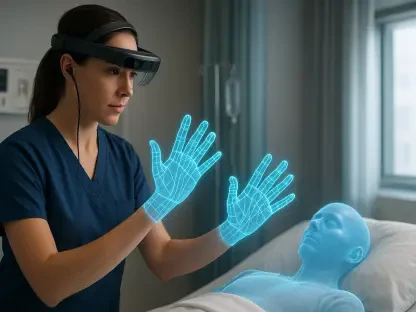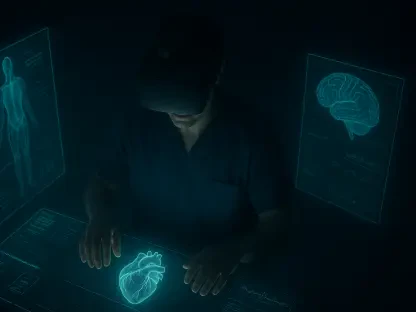

The implementation of patient-specific 3D assets helps eliminate the need for on-the-fly adjustments when surgeons encounter unexpected anatomical variations. For decades, the medical community relied on the mental translation of flat, grayscale images into three-dimensional mental constructs, a

Systemic changes in public health are often driven by a single determined advocate who can translate high-level policy into practical, localized solutions for vulnerable residents. Michelle Copeman emerged as such a figure, fundamentally altering the trajectory of medical technology by embedding

The geographic vastness of the Texas Panhandle has traditionally posed a significant barrier to accessing specialized surgical care, forcing residents to endure long journeys to urban centers for routine procedures. This dynamic shifted dramatically this past July when the Texas Tech University

The shift from simple calendar-based tracking to sophisticated medical-grade health ecosystems has fundamentally redefined how expectant parents navigate the complex biological journey of gestation in 2026. This evolution represents a departure from the static interfaces of the past, replacing them

Veterans returning from service often carry invisible wounds that traditional talk therapy struggles to heal completely, prompting the Edward Hines Jr. VA Hospital in Illinois to implement cutting-edge virtual reality solutions. This strategic shift addresses the limitations of standard exposure

For millions of stroke survivors worldwide, the journey toward reclaiming independence is often stalled by a persistent gap between physical capability and the brain’s sensory recognition of its own limbs. While standard physical therapy focuses heavily on regaining muscle control through