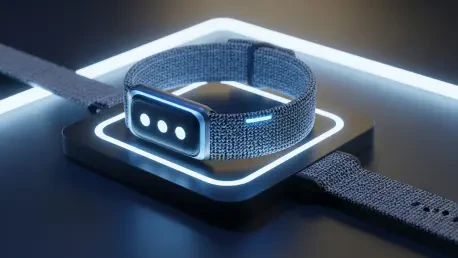

Recent scientific observations suggest that the average individual is now exposed to more digital notifications in a single day than a person in the early 2000s would have encountered in an entire month. This relentless bombardment of pings and haptic alerts has spurred a significant cultural pivot toward “invisible” technology, specifically in the realm of personal health monitoring. Screen-free wearables, such as the WHOOP band and the Oura Ring, are at the forefront of this movement, intentionally stripping away the distractions of a smartwatch to focus purely on physiological data. These devices represent a shift from the notification-heavy gadgets of the past toward streamlined tools that prioritize background utility and minimalist design. By removing the interface, users are finding they can reconnect with their physical state without the constant interruption of a secondary communication hub, allowing the technology to exist as a silent partner in their wellness journey. This evolution highlights a fundamental change in consumer values, favoring deep insights over digital noise.
The Philosophy of Unobtrusive Health Monitoring
Seamless Integration and Data Continuity
One of the most persistent issues with traditional smartwatches is their inherent bulkiness, which often forces a trade-off between aesthetic style and functional utility. In contrast, screen-free trackers are designed with an ergonomic philosophy that prioritizes 24/7 wearability above all else. Because these devices lack glass displays, they are significantly more durable and can be worn during high-impact sports, manual labor, or even while showering without fear of damage. This constant contact is essential for maintaining data continuity, as it allows for the collection of high-resolution biometric signals without the gaps that typically occur when a user removes a watch for charging or comfort. By utilizing flexible, breathable materials and ultra-lightweight sensor arrays, modern wearable companies have successfully created a “set it and forget it” experience. The hardware essentially disappears into the user’s daily attire, ensuring that the tracking process remains uninterrupted and the data remains accurate over long periods.
The extended battery life of screen-free wearables further cements their role as superior tools for longitudinal health analysis compared to their screen-equipped counterparts. Without the massive power draw required by an OLED display and frequent notification vibrations, these devices can often last several days or even a full week on a single charge. This efficiency is critical because it ensures that vital metrics such as resting heart rate and blood oxygen levels are captured during the deep sleep cycles that are often missed when other devices are tethered to a nightstand. Consequently, the user receives a much more comprehensive and granular picture of their physiological trends over time. The absence of a screen does not signify a lack of sophistication; rather, it reflects a deliberate engineering choice to maximize the reliability and consistency of the biometric stream. This architectural focus allows the technology to monitor the body’s subtle changes in real-time, providing a baseline of health that is far more detailed than what sporadic manual checks could ever provide.
The Recovery-Centric Model of Performance
The contemporary approach to fitness has shifted away from simply logging minutes of activity toward a more nuanced understanding of physical readiness and systemic recovery. Screen-free wearables leverage heart rate variability (HRV) as a primary metric to assess how the autonomic nervous system is responding to stress, illness, or exertion. Instead of presenting a raw list of stats, these platforms often use intuitive, color-coded systems to convey a user’s readiness score. For instance, being in the “green” zone suggests that the body is primed for high-intensity training, while a “red” score indicates a need for rest or active recovery. This simplifies complex medical data into actionable insights that the average person can understand at a glance within a mobile app. By focusing on the body’s internal response rather than external performance markers like steps or miles, these devices help individuals avoid the common pitfalls of overtraining. This biological feedback loop encourages a more sustainable relationship with exercise and performance.
Beyond immediate recovery scores, the recovery-centric model emphasizes the importance of sleep hygiene as the foundation of long-term wellness and athletic achievement. Screen-free devices excel in this area by monitoring respiratory rates and disturbances throughout the night with a high degree of precision. By analyzing the duration and quality of light, REM, and deep sleep stages, the software can provide a comprehensive sleep performance percentage that directly correlates to the next day’s capacity. This data-driven approach removes the guesswork from lifestyle adjustments, allowing users to see exactly how late-night screen time or an irregular bedtime impacts their overall health. The goal is to cultivate a deeper awareness of the body’s circadian rhythms, turning the wearable into a tool for behavioral modification rather than just a passive data collector. As users begin to “chase” better recovery scores, they naturally adopt healthier habits that improve their resilience against the physical and mental demands of daily life.
Translating Raw Data into Actionable Habits
Behavioral Correlation and Intelligent Coaching
The true power of modern screen-free technology lies in its ability to connect physiological data with specific daily habits through digital journaling features. Users can log variables such as caffeine consumption, hydration levels, supplement intake, and even psychological stress or social interactions within their respective apps. Over several weeks, the software uses proprietary algorithms to identify correlations between these self-reported behaviors and changes in recovery or sleep quality. For example, a user might discover that consuming alcohol even in small amounts leads to a 15% decrease in their HRV the following morning, or that consistent magnesium supplementation improves their deep sleep duration. This level of personalized insight transforms raw numbers into a clear roadmap for lifestyle optimization. By quantifying the consequences of everyday choices, these wearables bridge the gap between intention and outcome, providing the objective evidence necessary to motivate lasting behavior change in a way that generic health advice cannot.
As the volume of health data continues to grow, artificial intelligence has become the primary mechanism for interpreting these complex signals and offering real-time coaching. AI-powered assistants within the software now act as virtual performance coaches, analyzing the morning’s recovery data to suggest an optimal strain level for the day’s activities. These systems can tell a user whether they should push for a personal record in the gym or opt for a light walk to facilitate recovery. Furthermore, advanced AI can assist with long-term goals, such as marathon preparation or weight management, by adjusting recommendations based on how the body is adapting to the current training load. This shifts the value proposition of the wearable from the physical sensor to the intelligence of the platform itself. The hardware serves as the gateway, but the intelligent interpretation of the data provides the actual utility, ensuring that users are not just collecting information but are actively using it to improve their physical and mental performance.
Healthspan and Proactive Wellness Monitoring
In the current landscape of health technology, there is an increasing focus on “Healthspan,” which refers to the period of life spent in good health rather than just the total number of years lived. Screen-free wearables are increasingly being utilized to track metrics that serve as indicators of biological age and long-term vitality. By monitoring cardiovascular efficiency through VO2 max estimations and resting heart rate trends over months and years, these devices offer a window into the aging process. Some platforms provide a comparison between a user’s chronological age and their “fitness age,” which is calculated based on their physiological profile. This long-term perspective encourages users to think beyond their next workout and consider how their current habits will impact their mobility and health decades down the line. It transforms the wearable from a fitness gadget into a lifelong health partner that monitors the slow, incremental changes that are often invisible to the naked eye but crucial for preventing chronic age-related conditions.
The integration of medical-grade features into consumer wearables is further blurring the line between fitness tracking and proactive healthcare management. Modern screen-free sensors are now capable of identifying irregular heart rhythms, such as atrial fibrillation, or tracking blood pressure trends with surprising accuracy. While these devices are not intended to replace professional medical diagnosis, they serve as an invaluable early warning system that can prompt users to seek clinical advice before a minor issue becomes a major health crisis. Additionally, the ability to track respiratory rate deviations can often signal the onset of a viral infection before physical symptoms even appear, allowing the wearer to isolate or rest preemptively. This proactive approach to health monitoring represents a major shift toward decentralized medicine, where the individual is empowered with the same level of data once reserved for a doctor’s office. By prioritizing these subtle yet critical health signals, screen-free technology is playing a vital role in the transition toward a more preventative healthcare model.
Shaping the Future of Wellness Engagement
The transition toward screen-free tracking systems established a clear precedent for a more balanced relationship between humans and their digital tools. By prioritizing physiological signals over notification-driven engagement, these devices allowed users to regain focus on their immediate environments while maintaining a high level of health literacy. Moving forward, the industry pivoted toward even more discrete form factors and integrated medical-grade sensors that functioned as silent sentinels for chronic disease prevention. Consumers who successfully adopted these technologies learned to view their data not as a source of stress, but as a foundational utility for making informed lifestyle decisions. The emphasis shifted toward long-term biological trends, prompting a surge in personalized nutrition and recovery protocols tailored to individual biometric profiles. This evolution ultimately proved that health technology reached its peak efficacy when it moved into the background, providing the necessary insights to extend the human healthspan without demanding the user’s constant attention.