
A landmark strategic acquisition announced on February 12, 2026, has positioned two industry leaders to reshape how medical information is managed and delivered on a global scale. MPS Limited, a powerhouse in learning and platform solutions, confirmed it has acquired Unbound Medicine, Inc., a
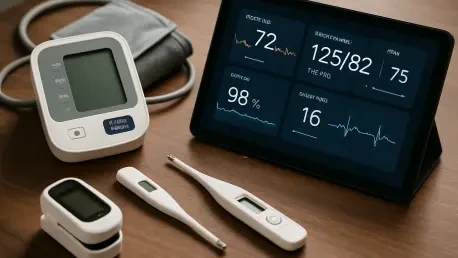
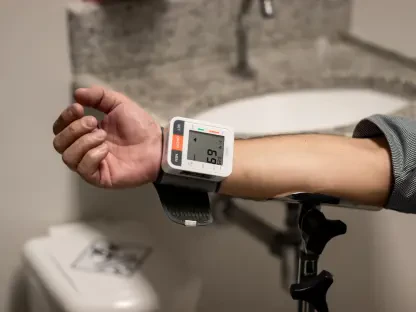
The delivery of healthcare is undergoing a fundamental transformation, shifting from the traditional confines of clinics and hospitals directly into patients' homes. This evolution is being powered by a wave of technological innovation, and at its forefront is the Remote Patient Monitoring (RPM)

The persistent challenge of managing employee health, particularly weight-related conditions, continues to place a substantial burden on organizations, directly affecting both the well-being of their workforce and their financial stability. For years, traditional corporate wellness initiatives,

Navigating the complexities of the healthcare system can be a daunting experience for anyone, but for autistic youth, this journey is often compounded by communication barriers and a historical lack of agency in their own medical decisions. A significant body of research is now challenging the

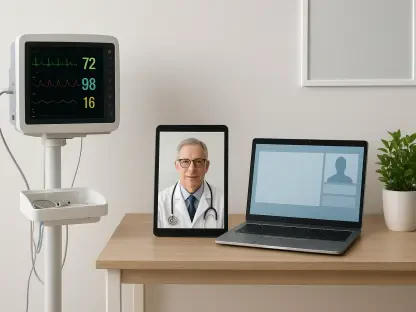
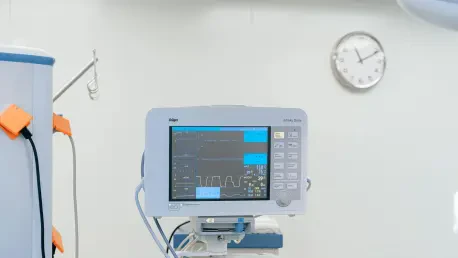
A critical yet often unseen divide exists within the walls of modern hospitals, creating two vastly different standards of care where a patient in an intensive care unit receives constant, second-by-second monitoring, while another just a few doors down in a general ward is checked only once every

The promise of digital transformation in healthcare has long been overshadowed by the stark reality of physician burnout, a crisis largely fueled by the very Electronic Medical Records (EMRs) intended to streamline clinical practice. Instead of liberation, these systems have often brought digital