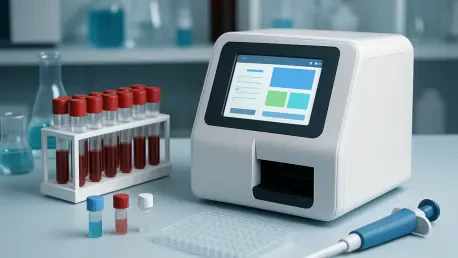

In an era where technological advancements steadily shape the healthcare landscape, Microsoft's AI tool, the MAI-DxO (AI Diagnostic Orchestrator), promises to redefine medical diagnostics. This cutting-edge technology claims superior accuracy over human physicians in analyzing complex medical

The Yong Loo Lin School of Medicine at the National University of Singapore (NUS) plays a transformative role in global healthcare practices, driven by its significant research initiatives. The school's research efforts are not peripheral activities but are central to its mission, significantly
Recent developments in the international healthcare landscape have positioned Singapore as an emerging global leader in diagnostics. In the face of significant reductions in U.S. federal funding for health research, particularly affecting the National Institutes of Health (NIH), Singaporean
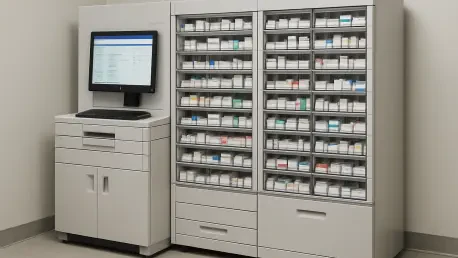
In recent years, the healthcare dispensing systems market has become a pivotal component of the medical and life sciences sectors, greatly influencing the precision with which liquids and substances are handled and dispensed. This intricate technology plays a vital role, especially in areas like
Caris Life Sciences Inc. (CAI) is capturing the attention of investors with its cutting-edge diagnostic technologies; however, there are considerations that need to be carefully weighed. Renowned for its pioneering work in medical testing, the company offers a unique single blood assay for
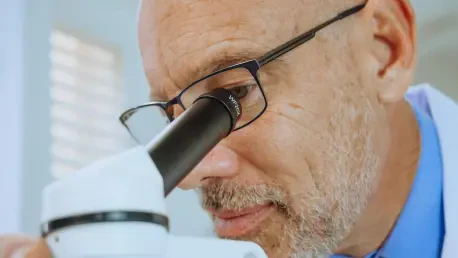
The realm of fertility diagnostics has been a continuously evolving field, yet male fertility testing often remains overlooked and underdeveloped compared to female fertility assessments. With the launch of PS Detect, a novel mail-order test that targets phosphatidylserine (PS) levels in sperm, PS


