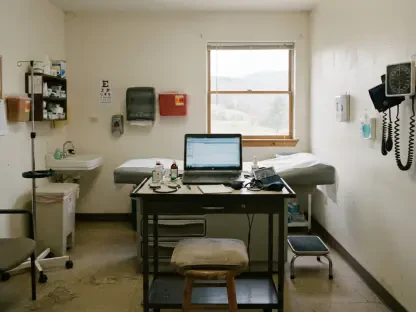

Managing nerve-root compression in the lower spine often requires prolonged therapeutic interventions that traditional healthcare delivery models struggle to provide consistently. As the medical community moves further into 2026, the integration of digital health platforms has transitioned from an experimental fallback to a cornerstone of musculoskeletal care. A comprehensive review recently published in the Bulletin of the Faculty of Physical Therapy has brought this shift into sharp focus, evaluating how telerehabilitation serves as a viable alternative for patients suffering from lumbar radiculopathy. This condition, frequently manifested through debilitating radiating leg pain, places a heavy burden on both the individual and the global healthcare infrastructure. The transition toward remote monitoring and virtual guidance offers a promising pathway to bridge the gap between clinical necessity and patient accessibility, ensuring that specialized physical therapy is no longer confined by the four walls of a traditional medical facility. By leveraging high-speed connectivity and sophisticated software, practitioners are now able to maintain a high standard of care that addresses the neurological complexities of spinal disorders while catering to the modern demands of patient flexibility and consistent therapeutic engagement.
The Clinical Impact of Spinal Nerve Compression
Lumbar radiculopathy stands as a distinct and often severe neurological challenge that affects approximately three to five percent of the adult population at any given time. While it is frequently grouped under the broader umbrella of low back pain, radiculopathy is characterized by the objective compression or irritation of spinal nerve roots, leading to a cascade of symptoms including sensory deficits, motor weakness, and the sharp, electric pain known as sciatica. This condition accounts for a disproportionate amount of global disability, as the nature of nerve recovery is inherently slow and requires meticulous, long-term management. Unlike nonspecific back pain, which may resolve with general activity, radiculopathy demands targeted interventions such as neural mobilization and progressive loading that must be performed with precision to avoid exacerbating the underlying compression. The persistent and often recalcitrant nature of these symptoms frequently leaves patients frustrated with traditional intermittent clinical visits that lack the frequency necessary for sustained improvement.
The logistical strain of traditional in-person care often complicates the recovery process for those with severe spinal issues. Patients frequently find themselves caught in a cycle of acute flare-ups and inconsistent therapy attendance due to travel restrictions, work obligations, or the sheer physical difficulty of moving during a painful episode. These traditional delivery models often suffer from a lack of continuity, where a patient might only receive professional guidance once every two weeks, leaving them to navigate their recovery largely unassisted in the interim. This gap in care is particularly problematic for radiculopathy, where improper movement patterns can lead to further nerve irritation. Consequently, the healthcare industry has recognized that the conventional approach is often insufficient for achieving optimal long-term functional outcomes. This realization has paved the way for more immersive and continuous digital support systems that can track patient progress daily rather than monthly, providing the constant feedback loop required for complex neurological rehabilitation.
Technological Evolution: Defining Remote Modalities
Telerehabilitation has evolved into a sophisticated framework that utilizes diverse communication technologies to deliver both physical and cognitive therapies. In the current landscape of 2026, this discipline is categorized into several distinct but overlapping modalities that cater to various patient needs. Synchronous communication remains a primary pillar, utilizing high-definition videoconferencing to facilitate live, one-on-one sessions between a therapist and a patient. During these real-time interactions, clinicians can perform visual assessments of a patient’s range of motion, identify compensations in movement, and provide immediate verbal and visual cues to correct exercise form. This level of interaction mimics the quality of in-person care while allowing the patient to remain in the comfort of their home environment. Such real-time oversight is crucial for radiculopathy patients, as it ensures that nerve-gliding exercises are performed accurately to promote healing without causing further trauma to the sensitized nerve roots.
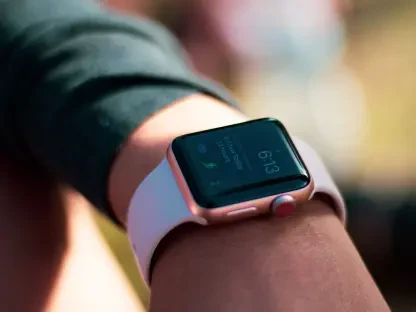
Complementing live sessions are asynchronous platforms and advanced monitoring tools that provide a continuous therapeutic presence. These systems often involve mobile applications integrated with artificial intelligence that guide patients through customized exercise routines based on their daily feedback and reported pain levels. Furthermore, the integration of wearable sensors and accelerometers allows for the objective tracking of physical activity and movement mechanics outside of formal therapy hours. Emerging technologies like virtual reality and augmented reality are also being utilized to increase patient immersion and provide biofeedback that was previously only available in high-end laboratory settings. While the initial push for these digital tools was accelerated by global health crises in the early 2020s, the current implementation in 2026 reflects a refined, evidence-based strategy. These tools are no longer viewed as mere substitutes but as enhanced delivery mechanisms that offer data-driven insights and greater precision in monitoring patient adherence and physiological progress over time.
Clinical Efficacy: Comparing In-Person and Digital Outcomes
A critical examination of recent clinical data reveals that telerehabilitation is consistently non-inferior to traditional face-to-face interventions across several primary health metrics. Researchers analyzing pain levels via the Visual Analog Scale and functional disability through the Oswestry Disability Index have found that patients in remote programs achieve results comparable to those receiving clinic-based care. These findings suggest that the therapeutic alliance—the essential bond between a therapist and a patient—can be effectively established and maintained through a digital interface. The success of remote care for lumbar radiculopathy indicates that the most vital components of recovery, such as education, tailored exercise, and psychological support, do not lose their potency when delivered across a screen. In many cases, the ability to receive guidance in the specific environment where the patient lives and works allows for more practical adaptations of their daily movements, potentially leading to more sustainable functional gains.
Beyond equal clinical outcomes, telerehabilitation demonstrates a clear advantage in the realm of patient adherence and long-term consistency. Traditional physical therapy often sees high dropout rates as the initial motivation fades and the logistical burdens of commuting and scheduling become overwhelming. In contrast, digital programs frequently report significantly higher completion rates, with some studies showing an eight to ten percent increase in patient retention compared to traditional models. This improved consistency is largely attributed to the flexibility and autonomy that remote care provides. Patients can integrate their rehabilitation into their daily lives with minimal disruption, receiving digital reminders and having the ability to communicate with their therapist through secure messaging apps whenever concerns arise. By lowering the barriers to entry, telerehabilitation ensures that patients remain committed to their recovery protocols for the duration required to see genuine neurological improvement, rather than stopping as soon as the most acute symptoms subside.
Economic Viability: Reducing Costs and Strengthening Research
The financial implications of adopting telerehabilitation are profound for both the individual patient and the broader healthcare system. Economic analyses conducted between 2026 and 2028 are expected to further validate that musculoskeletal remote care is significantly more cost-effective than traditional models, with average savings per patient reaching nearly ninety dollars per treatment cycle. These savings are realized through the elimination of travel expenses, the reduction of lost wages due to time away from work, and a decrease in the operational overhead required for large physical clinics. For healthcare providers, the ability to manage a higher volume of patients through digital triaging and streamlined remote check-ins allows for a more efficient allocation of clinical resources. As national health systems continue to face rising costs associated with aging populations and chronic pain, the shift toward a more scalable and affordable digital model is becoming an economic necessity rather than just a technological preference.
Despite the clear logistical and financial benefits, the transition to telerehabilitation has highlighted a significant “radiculopathy gap” in existing clinical research that requires urgent attention. Much of the historical data supporting remote physical therapy has been drawn from general studies of nonspecific low back pain, which lacks the specific neurological deficits seen in radiculopathy. Because nerve-root compression requires specialized management strategies—such as specific directional preferences and neural tension techniques—applying general back pain protocols to this population may result in suboptimal care. Experts are now calling for a more rigorous focus on longitudinal trials that exclusively target confirmed radiculopathy cases. Ensuring that digital protocols are specifically optimized for nerve health and recovery will be essential for the continued maturation of the field. This targeted research will help clinicians determine which specific patient profiles are best suited for remote care and which might still require a hybrid approach involving occasional in-person physical assessment.
Strategic Implementation: Overcoming Barriers and Looking Ahead
The widespread adoption of digital-first rehabilitation protocols is not without its structural and social challenges. One of the most significant hurdles remains the digital divide, where patients in rural or lower-income areas may lack the high-speed internet or modern hardware required to participate in advanced telerehabilitation programs. Infrastructure limitations can lead to technical lag or synchronization issues, which hinder a therapist’s ability to accurately observe and correct a patient’s movement. Additionally, there is a pressing need for updated regulatory and policy frameworks to address professional licensing across different jurisdictions and to standardize reimbursement models for virtual care. Security and privacy also remain at the forefront of the discussion, as healthcare providers must ensure that sensitive patient data and video recordings are protected by robust encryption. Addressing these systemic barriers is essential to ensure that the benefits of technological advancement are distributed equitably across all segments of the population.
Looking toward the future of spinal care, the role of artificial intelligence and wearable analytics is set to become even more integrated into the patient experience. The next generation of remote tools will likely move beyond simple video calls to include AI systems capable of predicting potential flare-ups before they occur by analyzing subtle changes in a patient’s movement patterns and activity levels. This proactive approach will allow therapists to intervene earlier and adjust treatment plans in real time, further personalizing the recovery journey. While telerehabilitation was once viewed as a temporary solution, it has proven to be a resilient and highly effective bridge to specialized care. Moving forward, the goal for clinicians and policymakers should be the creation of a seamless hybrid model that combines the diagnostic precision of in-person evaluations with the convenience and consistency of remote monitoring. By focusing on these actionable steps—improving digital infrastructure, refining research for specific nerve conditions, and embracing AI-driven personalization—the medical community can ensure that patients with lumbar radiculopathy receive the most advanced and accessible care possible. In the end, the success of these remote interventions was found in their ability to empower patients, providing them with the tools and knowledge to manage their spinal health effectively within the context of their daily lives.