
The sudden explosion of smart ring popularity has left many tech enthusiasts wondering if bulky wrist-worn devices are becoming relics of a bygone era in personal health monitoring. While the sleek, screen-free allure of the Oura or Samsung Galaxy Ring is undeniable, these high-fashion accessories often command a premium price that does not necessarily translate to superior biometric performance. Many consumers are currently seeking ways to monitor their health vitals without the constant distraction of a glowing display or the mental burden of endless notifications. This shift has led to a surge in passive wearable technology, yet the hype surrounding rings can sometimes obscure the fact that modern fitness trackers offer comparable or even better sensor accuracy for a fraction of the cost. By reevaluating the true needs of daily health tracking, it becomes clear that budget-friendly alternatives are frequently more capable of providing robust insights without the significant financial investment.
Comparing Hardware and Battery Efficiency
One of the most significant advantages that traditional fitness trackers maintain over their ring-shaped counterparts is the sheer depth of physiological data they can capture and process. Because wrist-based devices naturally have more internal physical volume, they are able to house more sophisticated sensor suites that can reliably track complex health metrics like blood oxygen levels, skin temperature variations, and daily stress responses. While a ring offers a discreet form factor, its static size creates a limitation where the user is locked into a specific fit that might become uncomfortable during physical exertion or natural finger swelling. In contrast, wrist-worn trackers offer the flexibility of interchangeable bands and various wearing styles that can be adjusted to suit different activities or fashion preferences. This physical versatility ensures that the sensors remain in optimal contact with the skin, which is a critical factor for maintaining data integrity over long periods.
Battery longevity serves as another critical area where affordable fitness trackers consistently outperform the more expensive ring-shaped devices currently on the market. Most high-end smart rings require a recharge every five to seven days, which can create annoying interruptions for individuals who are primarily interested in tracking long-term sleep trends and recovery cycles. Budget-friendly trackers, however, have optimized power management to the point where many models can last anywhere from 10 to 21 days on a single charge. This extended battery life ensures that there are fewer gaps in health data, providing a more comprehensive and accurate look at physical well-being over several weeks rather than just a few days at a time. By reducing the frequency of charging sessions, these devices become more like a part of the user’s routine rather than another gadget that requires constant attention, which ultimately leads to a more seamless and successful health monitoring experience.
Screen-Free and Readiness-Focused Options
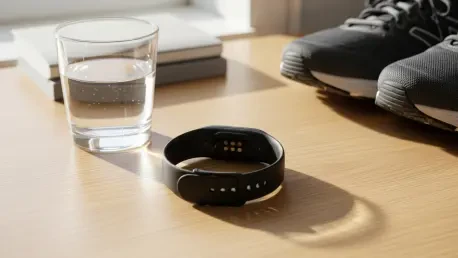
The Google Fitbit Air represents a primary example of a modern device specifically designed to challenge the dominance of smart rings within the minimalist, screen-free category. Priced at roughly ninety-nine dollars, it functions as a streamlined bracelet that focuses entirely on capturing essential vitals and sleep stages without the distraction of a digital display. What gives this device a competitive edge is its integration into the Google Health AI ecosystem, which provides a personalized AI Coach that analyzes wearer data to offer specific advice on recovery and nutrition. One particularly innovative feature includes a nutrition log that allows users to record their meals simply by taking a photograph, which the AI then parses for caloric and macronutrient content. This level of sophisticated software integration demonstrates that a screenless experience does not have to mean a loss of functionality, especially when backed by a powerful cloud-based processing system.
For users who prioritize long-term recovery and energy management, the Garmin CIRQA offers a specialized experience that focuses on the concept of physiological readiness. As a screenless entry into the Garmin lineup, this device utilizes the proprietary Body Battery metric to help individuals understand exactly when to push their physical limits and when it is necessary to prioritize rest. This approach helps prevent burnout and overtraining by providing a clear, data-driven picture of the body’s internal resources throughout the day. Furthermore, the device includes practical features that are often missing from smart rings, such as a smart wake vibrating alarm that gently rouses the wearer during their lightest sleep stage. This provides a subtle and effective way to start the morning without the jarring sound of a traditional alarm or the risk of waking a partner, making it a highly functional tool for those who want to optimize their daily performance.
High-Value Trackers with Enhanced Utility
The Xiaomi Smart Band 10 stands out as the ultimate value leader in the current landscape, offering an impressive array of advanced features for approximately forty-nine dollars. With a battery life that can stretch to three weeks and comprehensive support for over 150 different workout types, it provides a level of versatility that rings simply cannot match at this time. A unique pendant mode even allows the core unit to be worn around the neck, catering to users who want to keep their wrists and fingers entirely free while still collecting essential movement and health data. This flexibility makes it an ideal choice for people who work in professional environments where wrist jewelry might be restricted or for those who simply prefer not to have anything on their hands during the day. By offering high-end features at an entry-level price, this tracker effectively democratizes health technology, ensuring that advanced biometric monitoring is accessible to a much wider audience.
For consumers who want a perfect balance between digital minimalism and modern convenience, the Fitbit Charge 6 serves as a highly effective middle-ground device. It features a small and unobtrusive screen that provides just enough information, such as the current time or real-time heart rate, without becoming a constant source of digital distraction. Unlike a smart ring, which is purely passive, this tracker includes functional tools like Google Wallet for contactless payments and Google Maps for turn-by-turn navigation directly on the wrist. These additions make it a highly practical companion for runners or gym-goers who want the freedom to leave their smartphones behind while still maintaining basic connectivity and utility. The inclusion of physical buttons and haptic feedback also ensures that the device is easy to operate during intense workouts or in inclement weather, providing a level of reliability that touch-sensitive rings often struggle to achieve.
Strategic Investment in Personal Health Monitoring
The Amazfit Bip 6 offers a different take on the affordable tracker category by providing a more traditional watch face at a price point that is significantly lower than premium rings. It bridges the gap for individuals who want a readable display for their health statistics but prefer a 14-day battery life over the daily charging requirements typically associated with high-end smartwatches. Its reputation for reliability and objective data reporting makes it a solid choice for users who want straightforward health monitoring without any unnecessary bells and whistles. The device excels at basic activity tracking and heart rate monitoring, delivering consistent results that can be easily synced with various third-party health applications. By focusing on the core essentials of fitness tracking, this model proves that a device does not need to be expensive or experimental to provide meaningful value to someone who is serious about maintaining an active and healthy lifestyle.
Selecting an effective health monitoring tool eventually came down to a careful balance of cost, comfort, and the desired level of digital interaction. Potential buyers had to consider whether they were willing to commit to a monthly subscription to unlock their own biometric data, which remained a common requirement for both rings and premium trackers. By evaluating how much digital engagement was truly necessary and determining whether a device felt better on a finger, a wrist, or as a pendant, consumers found highly effective solutions that fit their unique lifestyles. This shift in perspective allowed many to avoid the inflated costs of trend-driven jewelry in favor of reliable, long-lasting hardware. Ultimately, the decision-making process focused on prioritizing functional utility and data accuracy over the aesthetic novelty of the latest tech trends. This approach ensured that personal health goals were supported by consistent technology rather than fleeting market hype.