
Stress has traditionally existed as an invisible, subjective experience that defies precise quantification outside of a controlled laboratory or clinical environment. While individuals often recognize the physical sensations of a racing heart or shallow breathing, the ability to translate these biological signals into actionable data has remained out of reach for the average person until very recently. The emergence of the Dawn DTx application, a collaborative effort between the Ontario Brain Institute and Mobio Interactive, marks a significant shift in how psychological well-being is monitored and managed by the public. By leveraging the advanced processing power of modern mobile devices, this platform converts a standard smartphone camera into a sophisticated diagnostic tool capable of mapping the internal landscape of the human nervous system. This development signals a new phase in digital health where the invisible metrics of mental strain are finally made visible through accessible technology.
A New ErAccessible Mental Health Monitoring
The TruSelf Challenge: Driving Initial User Engagement
To catalyze user adoption and introduce the public to these advanced diagnostic capabilities, the developers launched the “TruSelf” five-day brain health challenge alongside the app’s release. This initiative provided a structured entry point for participants to explore the full suite of biometric tools without an initial financial commitment, encouraging a wide demographic of Canadians to engage with their mental health data. During this intensive five-day period, users were prompted to perform brief check-ins at various intervals throughout the day, using their smartphone cameras to record thirty-second facial scans. These scans were designed to capture a series of high-fidelity biometric markers that serve as proxies for the body’s internal stress response. By facilitating frequent data points, the app effectively trained users to recognize the subtle shifts in their physiological state that often go unnoticed during the demands of a busy professional or personal schedule.
Data Analysis: Personalized Reporting and Demographic Benchmarking
Upon completion of the multi-day challenge, the platform generated a comprehensive “TruSelf” report that provided an objective analysis of the user’s stress levels during the observation period. This document utilized a proprietary scoring system to translate complex neurological and physiological data into an easy-to-understand metric, allowing individuals to see how their stress intensity fluctuated in response to different daily triggers. Furthermore, the report integrated a comparative analysis feature that benchmarked an individual’s results against a broader demographic of users, offering a unique perspective on whether their experiences were personal or reflective of wider societal trends. Following this introductory phase, the application transitioned into a subscription-based model, positioning itself as a long-term companion for health maintenance. This business model ensures that the platform can continue to provide high-quality, research-backed insights to its dedicated user base.
The Science: Precision Biometrics in Mobile Hardware
Optical Imaging: Transforming Cameras Into Diagnostic Tools
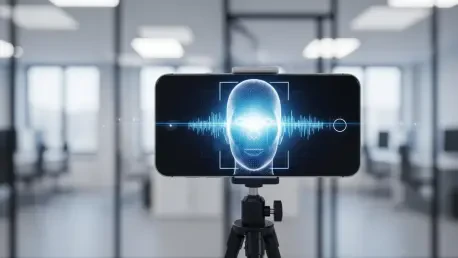
The technical core of the Dawn DTx application relies on a sophisticated analysis of facial features and circulatory patterns that are virtually invisible to the naked human eye. By utilizing high-resolution smartphone cameras, the software identifies minute variations in skin color and movement that correspond to cardiovascular activity. This process, often referred to as transdermal optical imaging, allows the platform to extract medical-grade metrics such as heart rate variability and blood pressure trends without requiring any external hardware or wearable sensors. The removal of these traditional barriers to data collection represents a major leap forward in the accessibility of health monitoring, as it permits users to conduct thorough assessments in any environment. Consequently, the technology bridges the gap between consumer electronics and clinical diagnostics, providing a level of insight that was previously restricted to hospital settings or specialized research labs.
Clinical Validation: The Role of the Ontario Brain Institute
Ensuring the scientific integrity of such a non-invasive tool required years of intensive research and clinical validation conducted by leading experts in neurobiology. Dr. Tom Mikkelsen and his team at the Ontario Brain Institute oversaw the development process, which involved testing the underlying algorithms against a vast database of clinical results gathered from thousands of participants. This rigorous vetting process was essential to ensure that the thirty-second scan could accurately reflect the complex internal dialogue of the autonomic nervous system. By focusing on the interplay between the sympathetic and parasympathetic branches, the app provides a reliable snapshot of how the body is coping with environmental demands in real time. The marriage of deep clinical expertise with agile mobile software development has resulted in a diagnostic instrument that is as scientifically grounded as it is user-friendly, setting a new standard for the digital therapeutics industry.
Behavioral Insights: Navigating the Nuances of Human Stress
Functional Definitions: Differentiating Eustress From Chronic Distress
A foundational element of the app’s philosophical approach is the understanding that stress is not an inherently negative force but a vital biological mechanism for adaptation. Dr. Mikkelsen emphasizes the critical distinction between eustress, which provides the necessary stimulation for peak performance and learning, and distress, which occurs when the psychological load becomes overwhelming and unproductive. The Dawn DTx platform is designed to help users categorize their experiences according to these definitions, teaching them to identify when their stress is serving a constructive purpose. By recognizing that some level of tension is required for high-level cognitive functioning, users can shift their perspective from avoiding stress entirely to managing it more effectively. This educational component is vital for long-term mental resilience, as it empowers individuals to harness their internal energy for productive ends rather than allowing it to become a chronic source of fatigue.
Trend Analysis: Identifying Longitudinal Physiological Patterns
Beyond identifying individual instances of tension, the application excels at tracking longitudinal trends to reveal how specific lifestyle choices and daily activities influence the nervous system over time. By aggregating data from multiple scans, the software identifies patterns where a user might be persistently stuck in a fight-or-flight state during periods intended for recovery. This awareness allows for a more nuanced understanding of the body’s “rest-and-digest” capabilities, which are essential for maintaining cardiovascular health and cognitive clarity. When users can see a clear correlation between their behaviors and their biometric data, they are better equipped to make targeted adjustments to their routines. This data-driven self-reflection moves mental health management away from guesswork and toward a precise, evidence-based strategy for improving quality of life, allowing for a proactive response to the physiological signals that the body sends throughout the day.
Digital Therapeutics: The Future of Canadian Brain Health
Institutional Integration: Bridging Research and Public Application
The institutional backing of the Ontario Brain Institute provides the Dawn DTx platform with a level of clinical credibility that distinguishes it from general wellness applications. As a provincially funded body dedicated to the advancement of brain research and diagnostics, the institute ensures that the software remains aligned with the latest developments in neuroscience. This partnership effectively bridges the historical divide between the controlled environment of the laboratory and the dynamic reality of everyday life. By validating digital therapeutics as a legitimate form of health intervention, the initiative encourages a more proactive approach to mental health that emphasizes early detection and self-regulation. This shift is particularly significant in a healthcare landscape that is increasingly moving toward decentralized, patient-centered models where individuals take more direct responsibility for their well-being, utilizing advanced software to bridge the gap between medical visits.
Societal Impact: Democratizing Access to Biometric Intelligence
The democratization of biometric insights through this mobile platform represents a broader movement toward making invisible health metrics accessible to a global audience regardless of their proximity to medical facilities. By removing the need for expensive specialized equipment, the app enables a wider segment of the population to engage in sophisticated self-monitoring that can prevent the escalation of minor stressors into major health crises. This accessibility is a cornerstone of the project’s mission to foster a more resilient society through the application of advanced technology to the challenges of modern living. As more users integrate these tools into their daily lives, the collective understanding of psychological well-being is likely to evolve from a reactive model to one defined by continuous, objective observation. This transition marks the beginning of an era where digital tools are not merely distractions, but essential components of a comprehensive strategy for long-term wellness.
Strategic Outcomes: Practical Steps for Building Long-Term Resilience
The implementation of this technology successfully demonstrated that objective biometric tracking could be seamlessly integrated into the daily routines of individuals seeking to optimize their mental health. Users who adopted these practices learned to transition from a reliance on subjective feelings to an evidence-based understanding of their internal physiological responses. Moving forward, the adoption of similar diagnostic platforms should involve a commitment to consistent data review and the integration of professional guidance when significant anomalies are identified in the longitudinal trends. It was clear that the most effective outcomes occurred when participants used these insights to inform specific lifestyle modifications rather than viewing the data as an end in itself. Those who sought to maximize their long-term resilience found that maintaining a curious and analytical relationship with their biometric markers provided a stable foundation for navigating the complexities of modern life.