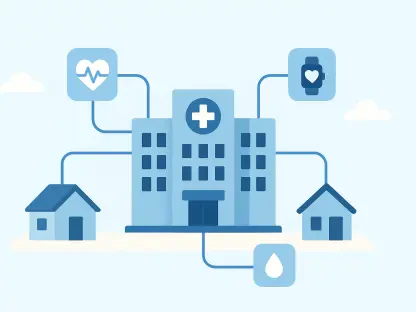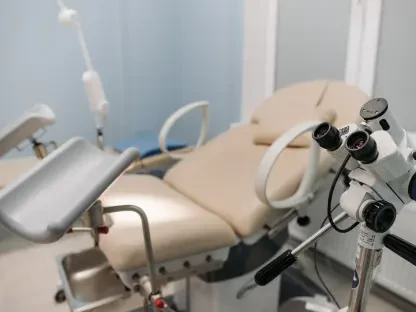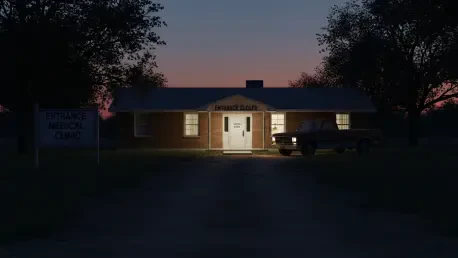

The rugged, rain-swept terrain of New Zealand’s West Coast has long presented a formidable challenge to healthcare providers tasked with maintaining medical services across vast distances. In late 2024, this geographic isolation collided with a worsening workforce shortage and financial strain, creating a critical tipping point for regional health systems. To prevent a total collapse of after-hours care, the West Coast Primary Health Organization initiated a structural overhaul by pivoting toward a virtual-first hybrid model. This transition was not merely a technological upgrade but a fundamental redesign of how emergency and acute services are delivered to remote townships. By partnering with specialized telehealth providers like Ka Ora, the region established a digital safety net that protects local clinicians from unsustainable burnout while ensuring that residents are never more than a video call away from professional medical advice. This strategic shift represents a proactive response to the global shortage of rural medical personnel, providing a template for resilient healthcare.
Cultural Shift: Navigating the Transition to Digital Care
Transitioning from a traditional medical model to a digital-first approach requires more than just high-speed internet and software; it necessitates a profound change in the collective mindset of both patients and practitioners. For decades, the face-to-face consultation was viewed as the non-negotiable gold standard of care, making the introduction of virtual triage a source of significant professional skepticism. To mitigate this, regional leaders prioritized transparency and relationship-building over top-down mandates. Telehealth representatives were encouraged to visit local clinics in person, allowing rural doctors and nurses to voice their concerns and co-create the workflows that would define their daily operations. These personal interactions humanized the technology, transforming it from a perceived threat into a supportive tool designed to alleviate the crushing weight of weekend rosters. This deliberate focus on trust ensured that the technological transition was grounded in the practical realities of rural practice, rather than being seen as a distant administrative fix.
Ensuring that the new system was culturally responsive remained a top priority throughout the development of the virtual-first framework. The West Coast Primary Health Organization utilized a collaborative governance model that integrated the perspectives of Iwi leadership alongside local health teams to ensure the service respected the unique identity of the region. This co-design process resulted in bespoke clinical pathways specifically tailored for the most isolated areas, such as Karamea and South Westland, where the distance to the nearest hospital can be measured in hours rather than minutes. Comprehensive clinical risk assessments were conducted to establish clear protocols for when a digital consultation must escalate to physical intervention. By acknowledging the limitations of technology and providing a clear map for emergency transport, the project team built a system that felt safe to those who were most vulnerable. This inclusive approach turned a potentially divisive technology into a community-endorsed solution that serves as a cornerstone of modern rural health infrastructure.
Logical Barriers: Bridging the Gap Between Advice and Treatment
One of the most persistent obstacles in rural telehealth is the disconnect between receiving a virtual diagnosis and accessing the physical medication required for treatment. When the hybrid service first went live, patients in remote areas expressed valid concerns regarding how they would fill prescriptions during late-night hours or over the weekend when local dispensaries were traditionally closed. The project team addressed this logistical gap through an adaptive and iterative problem-solving process that initially involved the deployment of a Sunday courier service to deliver essential medicines to outlying settlements. This temporary measure eventually paved the way for successful negotiations with community pharmacies in larger hubs like Greymouth and Hokitika to extend their operating hours. By integrating pharmacy services into the telehealth ecosystem, the region created a comprehensive wrap-around care model that supports the patient from the initial video consultation all the way through to the final dose of medication, effectively bridging the digital and physical divide.
Communicating the availability of these new services across a region spanning hundreds of miles required a multi-channel strategy that bypassed the limitations of digital-only marketing. Recognizing that many residents in remote valleys may have unreliable internet access or limited engagement with social media, the health organization employed a mix of modern and traditional communication tools. Radio advertisements and detailed newspaper features were supplemented by the distribution of physical fridge magnets containing emergency contact information, ensuring that the message reached every household regardless of their technological literacy. This grassroots outreach was essential for fostering a sense of security and reliability among a population that has historically felt overlooked by centralized healthcare initiatives. By combining high-tech medical solutions with traditional community engagement methods, the West Coast successfully bridged the communication gap, making the “local care, anytime” promise a tangible reality for every resident. This strategy highlights the importance of meeting patients where they are.
Data Analysis: Measuring Success and Healthcare Equity
The data collected since the implementation of the partnership indicates that rural communities are remarkably prepared to embrace digital tools when they provide clear benefits in terms of convenience and accessibility. Currently, the telehealth service manages roughly 300 patients every month, with a significant spike in activity occurring during weekends when traditional clinics are closed. An unexpected trend emerged showing that West Coast residents utilize online booking systems at a rate far exceeding the national average, suggesting that those living in isolation value the efficiency of digital scheduling even more than their urban counterparts. This high level of engagement suggests that the convenience of telehealth serves as a powerful incentive for individuals who previously might have delayed seeking care due to the logistical burden of travel. The success of the virtual-first model is reflected in these metrics, proving that rurality is not a barrier to digital adoption but rather a catalyst for it. These findings demonstrate the readiness of remote populations for innovative healthcare.
Beyond general usage statistics, the program has made significant progress in addressing historical inequities within the healthcare system. Analysis of patient demographics reveals that Māori individuals are utilizing the telehealth service at a higher rate than their proportion of the local population, indicating that the virtual model provides a more accessible or culturally comfortable entry point for care. Furthermore, nearly 60% of the service users originate from areas designated as the most socioeconomically disadvantaged, where the cost of fuel and time away from work often act as deterrents to seeking medical help. By removing the need for expensive, long-distance drives to a physical clinic, the virtual-first approach has effectively lowered the financial and geographic barriers that once forced families to choose between medical necessity and economic stability. This improvement in healthcare equity is perhaps the most profound impact of the initiative, as it ensures that pediatric and acute health needs are addressed promptly, regardless of a patient’s financial status or physical location.
Future Resilience: Enhancing Infrastructure and Long-Term Stability
The introduction of a specialized telehealth layer has significantly stabilized the regional health infrastructure by preventing the over-utilization of already strained emergency resources. Since the service became operational, there has been no documented increase in hospital emergency department visits or emergency ambulance call-outs, suggesting that virtual triage is effectively managing patient needs at the most appropriate level of care. By resolving many acute issues remotely, the system allows local hospital staff to focus their attention on the most critical cases without being overwhelmed by non-urgent after-hours inquiries. This redistribution of patient flow has reduced the pressure on the few remaining on-site clinicians, directly addressing the primary driver of the original crisis. The ability of the virtual system to act as a filter for the physical healthcare environment is a vital component of long-term sustainability, ensuring that local facilities remain functional for those who truly need in-person intervention. This balance of digital and physical care is key to maintaining regional stability.
The successful transformation of after-hours care on the West Coast provided a vital blueprint for other rural regions facing similar workforce and geographic challenges. By prioritizing relationship-building and local governance, the organizers ensured that technology served the community rather than the other way around. Looking forward, the next logical steps involved expanding these virtual networks to include specialized services such as mental health support and chronic disease management, which often suffer in isolated areas. Policymakers and health leaders recognized that the initial success was rooted in the seamless integration of digital advice with physical treatment pathways. Therefore, future investments were directed toward enhancing local pharmacy networks and improving rural broadband infrastructure to ensure that no household remained out of reach. Ultimately, the transition demonstrated that a virtual-first model, when implemented with cultural sensitivity and logistical foresight, could effectively solve the most entrenched rural healthcare crises. This proactive approach turned a period of instability into a resilient and equitable system for all.