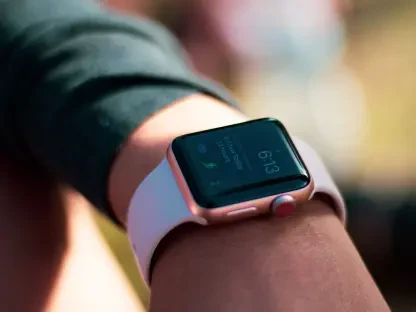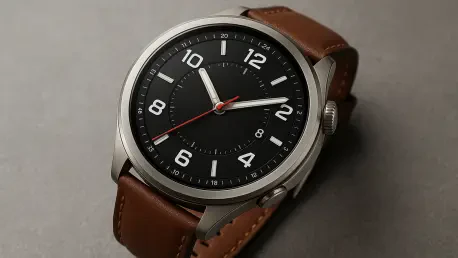

Bridging the gap between wearable adoption and clinical utility requires the establishment of a unified regulatory framework that ensures data accuracy for all devices. As the healthcare industry moves deeper into the digital age, the proliferation of smartwatches and fitness trackers has created a
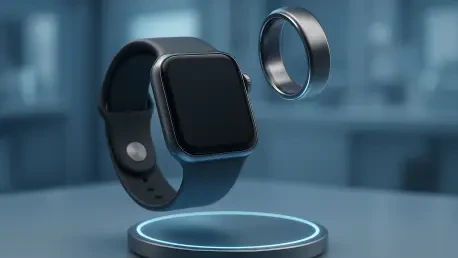
The Bip 6 competes directly with established trackers like the Fitbit Inspire by offering a streamlined user experience focused on essential metrics like heart rate and stress levels. While the broader wearable technology market often feels like a polarized battlefield between the high-cost Apple

A phenomenon known as anxious checking occurs when users become obsessed with optimizing sleep data, frequently preventing them from actually resting effectively. This shift in the landscape of personal health management has moved sophisticated monitoring directly from sterilized clinical settings
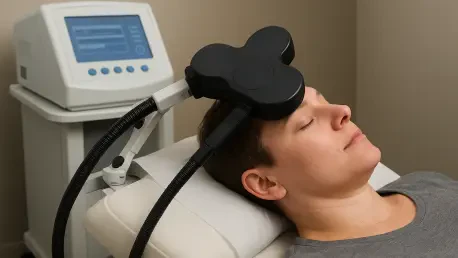
A staggering 6,000% increase in employer interest in neuromodulation suggests that interventional psychiatry is rapidly moving from a niche last resort to a mainstream healthcare demand. This dramatic shift highlights a broader transformation within behavioral health, where Transcranial Magnetic

The Walter Reed Army Institute of Research developed the protein-detection technology that now enables the i-STAT Alinity to function at the tactical edge of combat. This milestone in medical engineering addresses a long-standing vulnerability in military trauma care where the invisible nature of

Health experts are raising alarms as the rise of questionnaire-only medical models allows patients to bypass physical assessments and traditional clinician oversight. The meteoric popularity of GLP-1 receptor agonists, such as semaglutide and tirzepatide, has created a massive demand that