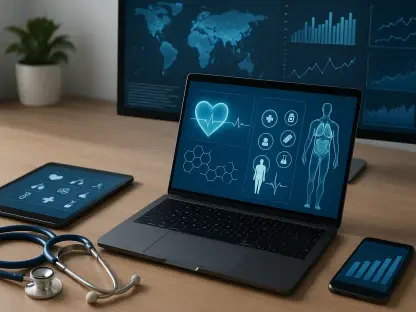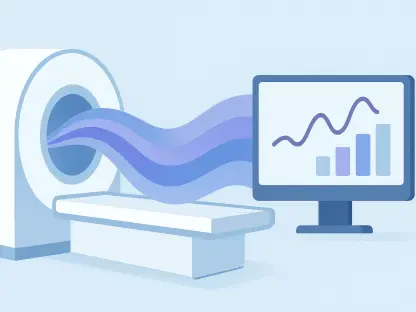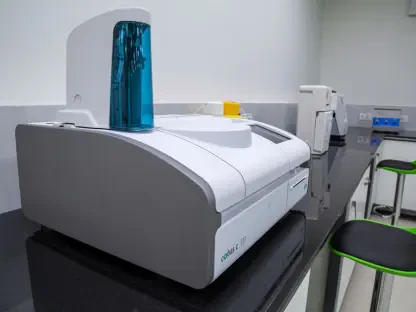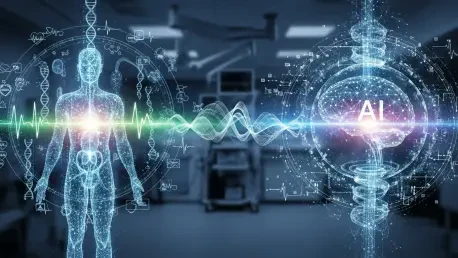

The era when patients only sought medical attention after experiencing physical symptoms is rapidly becoming a relic of the past as healthcare systems pivot toward proactive management. This evolution is characterized by the transformation of information management systems from static digital filing cabinets into dynamic, intelligent ecosystems that rely on data synthesis. Instead of merely storing patient records, these advanced platforms now leverage artificial intelligence to forecast medical needs before they manifest physically. This paradigm shift signifies a movement away from a reactive industry model toward an invisible framework where medical oversight integrates seamlessly into the daily activities of individuals. By embedding health management into the background of life, the industry is fundamentally altering the way human well-being is maintained. This holistic approach ensures that clinical care is no longer a series of isolated events but a continuous process of optimization and preventive action.
Integrating Virtual Simulations and Intelligent Systems
Precision Surgery: The Application of Digital Twins
Digital twin technology represents one of the most sophisticated leaps in medical precision by creating an exact virtual replica of a patient’s unique anatomy. These models are updated in real-time through continuous data feeds, allowing surgeons to simulate complex procedures in a risk-free digital environment before any physical intervention occurs. By utilizing these simulations, medical teams can identify potential complications and refine their approach based on the specific structural nuances of the individual. This level of preparation was previously impossible, as doctors had to rely on generalized anatomical knowledge rather than a personalized, high-fidelity map of the patient. Consequently, the integration of these twins has drastically reduced surgical errors and improved recovery times by ensuring that every movement is practiced and optimized within a virtual space.
Building upon the anatomical benefits, digital twins also serve as a revolutionary testing ground for pharmacological treatments and long-term recovery plans. Instead of relying on a trial-and-error approach to medication, clinicians can now introduce virtual pharmaceutical compounds to a patient’s digital replica to observe molecular-level interactions. This process allows for the identification of the most effective dosage and the prediction of adverse side effects without exposing the patient to any biological risk. The ability to test pharmaceutical outcomes in a risk-free digital environment ensures that treatments are tailored to the biological nuances of each individual. As a result, the transition from generalized medicine to precision-targeted therapy has become a standard, allowing for highly specific interventions that account for genetic variations and existing physiological conditions.
Predictive Analytics: Molecular Intervention and Wellness
The intelligence layer of modern healthcare enables a profound transition toward anticipatory medicine, where generative artificial intelligence identifies health risks years before symptoms appear. By analyzing a combination of genetic markers, lifestyle habits, and environmental factors, these systems can trigger medical engagements based on data-driven alerts rather than patient complaints. This ensures that healthcare is no longer a reactive response to illness but a predictive strategy aimed at maintaining wellness through early, molecular-level intervention. Machine learning algorithms continuously scan vast datasets to detect subtle deviations from a person’s baseline health, allowing for corrections to be made long before a condition becomes chronic. This shift emphasizes a future where the goal of medical science is to keep the population healthy rather than simply treating those who have already fallen ill.
This move toward anticipatory care is further supported by the integration of real-time diagnostics into the fabric of daily life through generative models. Instead of waiting for a scheduled clinic visit, patients receive continuous feedback and micro-interventions that adjust their wellness plans as their physiological data changes. These systems use sophisticated learning models to understand the long-term trajectory of an individual’s health, offering suggestions that range from dietary adjustments to immediate specialist consultations. By shifting the focus to molecular-level monitoring, the healthcare industry has successfully reduced the incidence of late-stage diagnoses. This strategy not only improves the quality of life for individuals but also lessens the burden on medical facilities by preventing emergency situations. The result is a more resilient society where health management is a constant, quiet, and highly efficient background process.
Expanding Modern Infrastructure and Security
Decentralized Care: Connectivity and Robotic Assistance
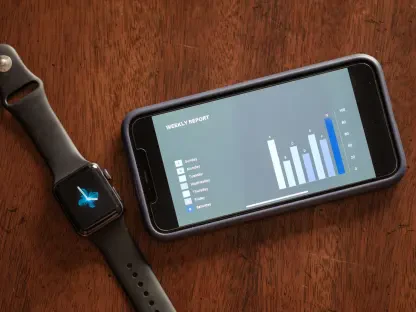
The physical walls of traditional hospitals are dissolving as the Internet of Medical Things creates a pervasive hospital without walls that spans entire cities. Through wearable biosensors and advanced home diagnostic tools, patient data flows continuously into management systems, allowing for constant monitoring through edge computing rather than episodic visits. This connectivity transforms healthcare into an invisible service that monitors vital signs in the background of daily life, intervening only when the data suggests a necessary action. By 2026, the reliance on physical clinics for routine check-ups has diminished, replaced by a network of connected devices that provide more accurate, long-term health profiles. This decentralized model ensures that medical attention is always available, regardless of the patient’s location, making high-quality care accessible to remote and underserved populations.
Robotics and autonomous systems further extend the reach of modern medicine by taking over logistics and high-precision clinical tasks in various settings. Modern healthcare environments now feature robotic assistants that help with patient mobility and automated systems that manage the distribution of life-saving medical supplies. Additionally, AI-assisted surgical arms provide a level of accuracy that exceeds human capability, allowing for minimally invasive procedures that were once considered too risky. Outside the clinical setting, drone-based delivery systems have revolutionized the transport of critical resources, ensuring that equipment and medication reach patients in record time. These mechanical advancements have allowed human medical staff to focus on complex decision-making and patient interaction, while automated systems handle the repetitive and high-precision tasks that define the operational backbone of the industry.
Safeguarding Vital Data and Ethical Authority
As healthcare systems became globally connected and data-dependent, the industry recognized that protecting life data was a critical priority for long-term stability. The transition to a digital-first model meant that cybersecurity teams had to operate on a permanent battlefield, countering sophisticated attacks on medical networks. It was identified that securing these systems was no longer just about administrative privacy but was a matter of ensuring the operational safety of smart implants and connected devices. Consequently, organizations implemented robust AI-driven defenders that could detect and neutralize threats in milliseconds, maintaining the integrity of the data that keeps patients alive. These defensive measures ensured that as technology advanced, the trust between patients and the medical establishment remained intact, even in the face of increasingly complex and persistent global cyber threats.
Despite the heavy reliance on automated intelligence, the medical community established that the final authority for life-critical decisions must remain with human doctors. This human-in-the-loop governance model was designed to ensure that while algorithms process vast datasets, the essential human judgment required for ethical care is never bypassed. Clinicians utilized AI as a powerful decision-support tool, but they maintained the responsibility for interpreting social and emotional nuances that machines cannot grasp. The industry prioritized the development of transparent algorithms that allow doctors to understand the reasoning behind a machine’s recommendation, fostering a collaborative relationship between man and machine. This balance ensured that technology enhanced medical expertise without replacing the moral framework that is fundamental to the practice of medicine and the overall preservation of human dignity.