The widespread transformation of healthcare delivery has reached a critical milestone where digital consultations are no longer viewed as a temporary emergency measure but as an essential and preferred method for routine medical interactions. Market data currently indicates that telehealth usage
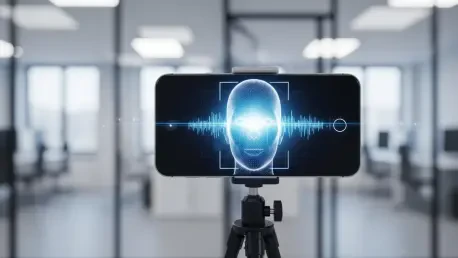
Stress has traditionally existed as an invisible, subjective experience that defies precise quantification outside of a controlled laboratory or clinical environment. While individuals often recognize the physical sensations of a racing heart or shallow breathing, the ability to translate these

The rugged, rain-swept terrain of New Zealand’s West Coast has long presented a formidable challenge to healthcare providers tasked with maintaining medical services across vast distances. In late 2024, this geographic isolation collided with a worsening workforce shortage and financial strain,
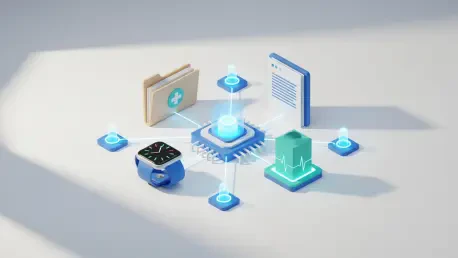
Most individuals find themselves overwhelmed by the sheer volume of health metrics generated by wearables and scattered clinical portals that never seem to communicate with one another effectively. To address this fragmentation, OpenAI has introduced a sophisticated feature called "Health in
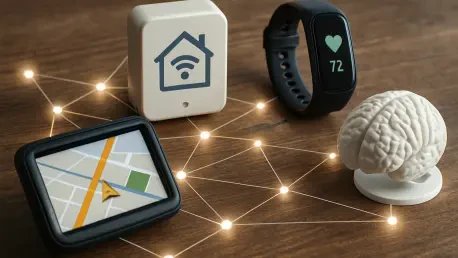
Modern life is increasingly defined by an invisible web of sensors that have migrated from the vast stretches of city infrastructure into the intimate corners of the private home. While the early days of the Internet of Things were dominated by the logistical management of public assets and the
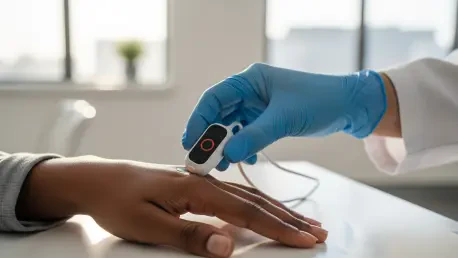
The persistent gap in medical diagnostics has long meant that the simple act of measuring blood oxygen levels could yield dangerously inaccurate results depending solely on the amount of melanin in a patient's skin. Philips recently achieved a pivotal milestone by securing FDA 510(k) clearance for