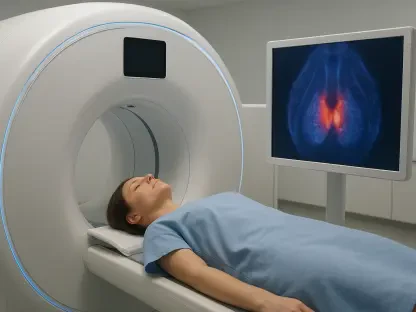

A vast majority of patients would prefer to manage their chronic health conditions through nutrition rather than relying solely on pharmaceutical solutions. This shift in patient sentiment has catalyzed a fundamental reassessment of how clinical environments handle metabolic data. Traditionally, vital signs like heart rate, blood pressure, and temperature have dictated the direction of care, yet these metrics often reflect late-stage symptoms rather than root causes. As the healthcare landscape evolves throughout 2026, nutrition is increasingly recognized as a foundational metric that precedes traditional biometrics. The integration of continuous glucose monitors and high-resolution dietary tracking has provided clinicians with a view of health that was previously unattainable. Consequently, medical facilities are beginning to treat nutritional status as a primary diagnostic tool, allowing for early interventions that address the biological drivers of disease before they escalate.
Integrating Dietary Metrics into Clinical Workflows
The Transition: Moving from Symptoms to Root Causes
Modern diagnostic frameworks are undergoing a radical transformation as healthcare providers acknowledge the profound impact of micronutrient deficiencies and glycemic variability on long-term wellness. By implementing standardized nutritional screening protocols, hospitals can identify patients at risk of malnutrition or metabolic dysfunction during routine check-ups. This proactive approach is particularly effective in managing type 2 diabetes and hypertension, where diet often serves as the primary driver of pathological progression. Advanced electronic health records now incorporate dedicated modules for dietary logs, enabling physicians to correlate specific food patterns with inflammatory markers and cardiac performance. This data-driven strategy reduces the reliance on broad-spectrum medications and allows for highly personalized lifestyle prescriptions. Moreover, the use of wearable sensors has bridged the gap between clinical visits and daily habits, ensuring that advice is grounded in data.
The Application: Correlating Data with Outcomes
Establishing nutrition as a vital sign requires more than just better data collection; it necessitates a cultural shift within the medical profession itself. Historically, the medical curriculum has devoted minimal hours to nutritional science, leaving many practitioners ill-equipped to provide detailed dietary guidance. To address this, healthcare systems are increasingly hiring specialized nutritionists and registered dietitians to work directly within primary care teams. This collaborative model ensures that nutritional interventions are integrated into the overall treatment plan rather than being treated as an optional adjunct. Moreover, the emergence of Food as Medicine initiatives has led to the development of prescription produce programs, where clinicians prescribe nutrient-dense foods that are subsidized by insurance providers. These programs have demonstrated a significant reduction in hospital readmission rates and have improved patient adherence to medical treatment regimens.
Overcoming Structural Barriers in Healthcare
The Education: Closing the Knowledge Gap
Despite the clear benefits of including nutrition in clinical care, several structural hurdles remain that prevent its universal adoption. One of the primary challenges is the lack of standardized metrics for nutritional health, which makes it difficult for providers to compare data across different patient populations. In response, industry leaders are developing sophisticated algorithms that synthesize various data points—such as fiber intake and glycemic load—into a singular nutritional score that can be easily interpreted by clinicians. Additionally, the time constraints of typical medical appointments often hinder deep discussions about diet, leading many physicians to default to quicker pharmaceutical prescriptions. To mitigate this, automated digital health platforms have been deployed to handle the labor-intensive aspects of dietary monitoring and patient education. These tools use natural language processing to analyze logs and provide immediate feedback to the patients.
The Solution: Scaling Metabolic Monitoring
The transition toward recognizing nutrition as a critical vital sign required a multi-faceted approach involving policy updates, technological innovation, and a reimagining of medical education. Stakeholders across the healthcare spectrum moved beyond the silos of traditional medicine to embrace a holistic view of human biology that prioritized metabolic stability. This evolution demonstrated that a proactive focus on diet significantly lowered the burden of chronic illness on both the individual and the economy. Moving forward, it became essential for healthcare organizations to invest heavily in interoperable data systems that seamlessly connected nutritional trackers with clinical records. Leaders in the field advocated for broader insurance coverage of nutritional counseling and fresh food access, recognizing these as cost-effective preventative measures. By formalizing the role of nutrition in diagnostic settings, the medical community established a new standard for care that empowered individuals.