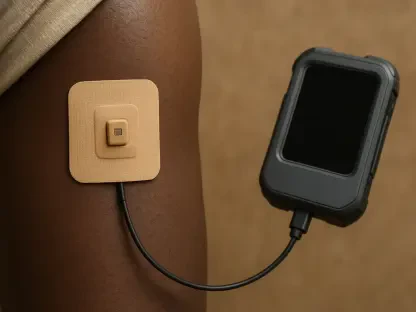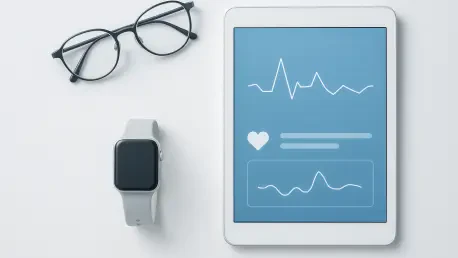

Bridging the gap between wearable adoption and clinical utility requires the establishment of a unified regulatory framework that ensures data accuracy for all devices. As the healthcare industry moves deeper into the digital age, the proliferation of smartwatches and fitness trackers has created a massive influx of patient-generated health data. While these devices offer wealth regarding heart rate variability and sleep patterns, many clinicians remain hesitant to incorporate this data into formal treatment plans. The primary hurdle lies in the discrepancy between consumer-grade sensors and medical-grade diagnostics. Without a standardized method for interpreting the ‘noise’ found in daily activity readings, physicians face the risk of false positives or unnecessary diagnostic testing. However, the potential for early detection of chronic conditions, such as atrial fibrillation or early-stage metabolic dysfunction, makes the integration of these tools an essential step for modern medicine.
Data Validation: Establishing Clinical Trust
Standardizing Metrics: The Path to Reliability
To move beyond the limitations of basic step-counting, the medical community must demand rigorous validation of biometric algorithms across diverse patient populations. Current market leaders are increasingly seeking FDA clearance for specific features, such as electrocardiogram detection and irregular rhythm notifications, yet consistency across various brands remains elusive. The implementation of a standardized certification process for health-focused wearables would allow clinicians to trust the data as a reliable surrogate for clinical observations. Furthermore, tech companies are now utilizing machine learning models to filter out artifacts caused by movement or skin tone, which historically compromised the integrity of optical heart rate sensors. By aligning these technologies with the standards of traditional telemetry, healthcare providers can begin to view wearable devices not as toys for the fitness-conscious, but as legitimate auxiliary tools for continuous health monitoring and diagnostic assistance.
Longitudinal Tracking: Transforming Episodic Care
Traditional healthcare models often rely on episodic snapshots, where a patient’s vital signs are recorded only during infrequent office visits. This approach often misses the fluctuating nature of chronic illnesses and can be influenced by temporary stressors, such as the anxiety associated with a clinical environment. Wearable technology addresses this gap by providing a longitudinal view of a patient’s physiological state, capturing trends that occur during sleep, exercise, and rest. This continuous stream of information enables a more nuanced understanding of how a patient responds to specific medications or lifestyle interventions in real time. For example, a clinician can observe how a change in a hypertensive patient’s dosage affects their nocturnal blood pressure patterns over several weeks. Shifting from reactive treatment to proactive monitoring allows for more precise adjustments, ultimately reducing the likelihood of acute complications and improving the long-term management of complex diseases.
Operationalizing Insights: Workflow and Ethics
Data Management: Integrating Systems for Efficiency
The sheer volume of data generated by consumer wearables poses a significant challenge for healthcare systems already struggling with physician burnout. To make this information actionable, it must be seamlessly integrated into Electronic Health Records through automated pipelines that prioritize clinically relevant events. Advanced data orchestration platforms are now being utilized to aggregate information from multiple devices and present it in a unified dashboard, highlighting only the significant deviations from a patient’s established baseline. This allows clinicians to avoid the tedious task of manual data entry or the review of thousands of irrelevant data points. By using artificial intelligence to triage the incoming information, health systems can ensure that alerts are only triggered when a patient’s metrics cross a specific, medically validated threshold. This approach minimizes alert fatigue and ensures that the clinical team can focus on the individuals who require immediate intervention, thereby maximizing care team efficiency.
Patient Empowerment: Strategies for Proactive Healthcare
The transition toward utilizing wearable data effectively required a fundamental shift in how patient-provider relationships were structured. Successful programs demonstrated that when patients had access to their own data alongside professional guidance, they were more likely to adhere to therapeutic regimens and engage in preventive behaviors. Clinicians who adopted these technologies focused on establishing clear protocols for data ownership and privacy, ensuring that patients felt secure in sharing their personal health information. The process highlighted the necessity of providing patients with actionable feedback based on wearable trends, rather than just raw numbers. Moving forward, the most effective strategy involves the creation of collaborative care models where wearable metrics serve as a common language between the patient and the medical team. Health systems that prioritized the development of these interactive frameworks saw significant improvements in engagement and a reduction in emergency room visits.