
The Bip 6 competes directly with established trackers like the Fitbit Inspire by offering a streamlined user experience focused on essential metrics like heart rate and stress levels. While the broader wearable technology market often feels like a polarized battlefield between the high-cost Apple ecosystem and the specialized Garmin endurance niche, Amazfit has carved out a significant space for itself by prioritizing raw hardware value. Under the guidance of Zepp Health Corporation, the brand provides premium specifications like titanium builds and sapphire glass at a fraction of the cost typically associated with luxury electronics. This strategy serves as an essential bridge for users who demand deep health tracking without the burden of a premium brand tax. By utilizing the lean Zepp OS rather than resource-heavy platforms, these devices focus on longevity and functional reliability over a bloated app library. This hardware-first approach ensures that core tracking remains the priority for every user.
Entry-Level and Everyday Versatility
The Bip series functions as the primary gateway into the Amazfit ecosystem, specifically engineered for individuals who prioritize a lightweight and unobtrusive tracking experience. Priced aggressively, often sitting comfortably under the $80 mark, these devices concentrate on fundamental health metrics including heart rate monitoring, blood oxygen levels, and detailed sleep quality analysis. While the Bip may lack the high-precision navigation features of its more expensive siblings, it stands as a formidable rival to basic fitness bands. It represents an ideal choice for the casual user who requires reliable, daily data without the overwhelming complexity of professional athletic analytics. By keeping the interface intuitive and the hardware minimalist, Amazfit ensures that even entry-level consumers can access sophisticated biometric monitoring. This simplicity is a calculated design choice that maximizes battery efficiency and user comfort for round-the-clock wear.
For consumers who find themselves seeking a middle ground between basic tracking and elite performance, the Active line emerges as the standout category in the current 2026 market. These watches effectively bridge the gap between simple fitness tools and premium smartwatches by incorporating advanced hardware such as dual-band GPS, which guarantees accurate location tracking even in dense urban environments. The Active series is defined by its aesthetic versatility, featuring a design language that remains stylish enough for professional settings while maintaining the durability required for gym sessions. It represents the sweet spot for the average user who refuses to sacrifice modern functionality for affordability. With bright AMOLED displays and responsive touch interfaces, the Active series proves that high-end visuals and technical precision can coexist within a budget-friendly framework without compromising on the quality of internal sensors.
High-Performance Solutions for Modern Athletes
The Balance line represents perhaps the most polished segment of the Amazfit catalog, tailored specifically for the growing demographic of hybrid athletes who combine strength training with endurance sports. This series distinguishes itself through specialized software tools developed through strategic partnerships with global fitness organizations to assist with pacing and competition transitions. With a rugged yet refined aesthetic, the Balance series rivals the mid-to-upper tiers of legacy lifestyle watches while offering unique features like body composition analysis directly from the wrist. It has become the premier choice for individuals who need a high-performance daily driver capable of transitioning seamlessly from a corporate office to a marathon starting line. The software integration here is deeper than in entry-level models, providing users with a readiness score that balances physical exertion with mental recovery for sustainable health.
Amazfit continues to challenge the professional market through its Cheetah and T-Rex series, although these lines highlight both the brand’s impressive hardware engineering and its maturing software ecosystem. The Cheetah series specifically targets dedicated runners with AI-driven coaching and offline mapping capabilities, while the T-Rex focuses on military-grade durability for outdoor adventurers. While the physical builds of these models are exceptional and mimic the tactile feel of more expensive rugged watches, the software provides a streamlined experience that avoids the unnecessary bloat of third-party platforms. They remain excellent choices for those who value long battery life and physical resilience over specialized navigational tools found in watches costing triple the price. By focusing on GPS accuracy and structural integrity, these devices cater to a specific user base that needs a reliable tool for demanding physical challenges.
Innovative Form Factors and Subscription-Free Recovery
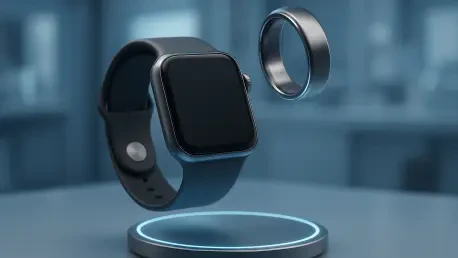
In a strategic move to compete with traditional subscription-heavy trackers, Amazfit introduced the Helio line, which includes innovative screenless straps and the Helio Ring. These devices cater to a segment of users who desire 24/7 biometric data, such as recovery metrics and sleep readiness, without the added bulk or distraction of a traditional digital timepiece. A major advantage of the Helio series is the total absence of a subscription wall, offering a one-time purchase price that is significantly lower than that of market leaders in the smart ring space. This allows dedicated data enthusiasts to track their physiological recovery and long-term health trends without the recurring burden of monthly fees. By focusing on high-frequency sensor polling and energy-efficient data transmission, the Helio line provides a comprehensive view of the user’s internal state. It is an ideal solution for those who want to supplement their main watch with a more discreet tool.
The integration between different form factors within the Zepp ecosystem allows for a unified view of health that many competitors struggle to match at this price point. When a user pairs a Helio Ring with a Balance watch, the system intelligently merges data streams to provide a more accurate picture of total daily strain and recovery. This multi-device approach ensures that gaps in data are minimized, particularly during sleep or high-impact activities where one form factor might be more comfortable than the other. Moreover, the brand’s commitment to data privacy and local processing appeals to the modern consumer who is increasingly wary of how their biometric information is utilized. By offering a cohesive ecosystem that does not demand constant financial reinvestment, the brand has solidified its position as a consumer-friendly alternative. This philosophy of hardware ownership over service-based models resonates deeply with users who value independence.
Strategic Recommendations: Future Wearable Integration
The current landscape of wearable technology suggests that the gap between budget-friendly hardware and high-end performance is narrowing rapidly, thanks to the aggressive innovation of brands like Amazfit. For the average consumer, the decision-making process now revolves less around brand prestige and more around utility and battery endurance. While power users might still crave the deep third-party app support of more expensive platforms, the vast majority of fitness enthusiasts find that the core functionality provided here meets their requirements. The emphasis on sensor accuracy and premium materials like titanium and ceramic ensures that these devices do not feel like compromises. Furthermore, the ability to operate for weeks on a single charge fundamentally changes the user’s relationship with technology, moving it from high-maintenance to a background monitor. This shift is forcing legacy brands to reconsider their pricing models to remain competitive.
Users who sought to maximize their health tracking capabilities without overextending their budgets found that prioritizing hardware quality over brand name provided the best long-term results. The transition toward subscription-free models offered a clear path for individuals to maintain control over their biometric data while avoiding hidden costs. It became evident that selecting a device based on specific activity needs, such as the rugged T-Rex for hiking or the Helio Ring for sleep monitoring, allowed for a more tailored and effective wellness strategy. Consumers benefited most when they evaluated their daily routines and chose the form factor that integrated most naturally into their lifestyles. This approach ensured that the technology remained a helpful tool rather than a source of digital clutter. Looking forward, the focus shifted toward cross-device compatibility, proving that high-end wearable tech became accessible by democratizing advanced health insights.