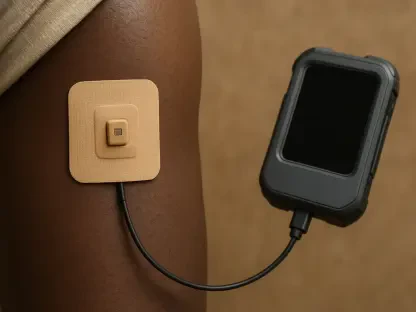

A phenomenon known as anxious checking occurs when users become obsessed with optimizing sleep data, frequently preventing them from actually resting effectively. This shift in the landscape of personal health management has moved sophisticated monitoring directly from sterilized clinical settings to the everyday wrists of a global population. Today, smartwatches and biometric fitness trackers are standard accessories for over half of American adults, driven by a powerful cultural movement toward early disease detection and proactive personal responsibility. While this proliferation provides an unprecedented look into daily vitals like heart rate variability and oxygen saturation, it also creates a significant divide among medical experts. The promise of these gadgets is often the extension of human longevity through data, yet critics argue they may serve more as catalysts for chronic, health-related anxiety than as genuine wellness tools. The challenge remains in balancing the utility of real-time biofeedback with the mental toll of constant surveillance.
Driving Physical Activity and Clinical Improvements
Part 1: Gamification and Behavioral Incentives
For a vast majority of the population, the primary value of a wearable device lies in its ability to gamify physical fitness and provide an immediate psychological nudge through motivational cues. By establishing tangible, daily goals such as specific step counts or the completion of activity rings, users often find themselves encouraged to adopt a more active lifestyle that might have been neglected without such prompts. These digital nudges serve as micro-interventions throughout the day, effectively transforming sedentary habits into opportunities for movement. Scientific studies conducted from 2026 to 2028 indicate that tracker users frequently increase their daily physical exertion by significant margins compared to non-users. This consistent movement is not merely about hitting a number; it is about the subconscious retraining of the body to seek activity. The visual feedback provided by these devices creates a sense of accomplishment that reinforces positive health behaviors.
Part 2: Measurable Medical Outcomes and Feedback Loops
When these spikes in physical exertion become a consistent part of a user’s routine, the results often manifest in measurable clinical improvements that extend far beyond a digital dashboard. Physicians have noted that individuals who thrive on data-driven feedback frequently experience better blood pressure regulation and more effective cholesterol management over time. For those struggling with metabolic issues, the constant presence of a biometric monitor can lead to modest but sustainable weight loss by making the relationship between activity and caloric expenditure more transparent. This direct feedback loop allows users to see the immediate impact of their choices, such as how a brisk walk affects their resting heart rate or sleep quality the following night. By providing a bridge between daily actions and long-term health metrics, wearables empower proactive individuals to take charge of their preventative care. This shift toward self-monitoring reduces the reliance on annual checkups alone for health insights.
The Psychological Burden of Constant Monitoring
Part 1: The Rise of Anxious Checking and Data Obsession
Despite the clear physical advantages of biometric tracking, medical professionals are expressing deeper concerns regarding the psychological price of perpetual health surveillance. This is particularly evident in the rise of orthosomnia, a condition where the drive to achieve a perfect sleep score paradoxically causes enough stress to keep the user awake and alert. When individuals prioritize the data reported by their device over their own internal sense of restfulness, the quality of their recovery often diminishes. Chasing a specific percentage or a readiness score without understanding natural physiological cycles can lead to a cycle of neurosis where the tool intended for health becomes a source of tension. Instead of waking up refreshed, users find themselves immediately scanning their devices to see if the technology validates their feelings. This reliance on external validation can erode a person’s ability to listen to their own body, creating a disconnect that favors digital metrics over actual physical well-being.
Part 2: The Strain of False Alarms and Health Neurosis
For individuals already prone to health-related anxiety, the constant stream of biometric notifications can act as a significant psychological trigger. While modern wearables excel at capturing vast amounts of data, they frequently lack the clinical nuance required to distinguish between a harmless physiological fluctuation and a genuine medical emergency. This lack of context often leads to a surge in unnecessary medical evaluations, as otherwise healthy individuals seek professional reassurance for minor data anomalies that appear alarming on a small screen. The resulting trend not only increases the mental burden on the user but also places an avoidable strain on the broader healthcare infrastructure. Doctors must spend valuable consultation time debunking data from consumer-grade gadgets rather than treating acute conditions. This digital hypochondria creates a feedback loop of fear where every heart rate spike or dip in oxygen levels is viewed through a lens of catastrophe rather than as a normal part of life.
Navigating Accuracy and Interpretation
Part 1: Distinguishing Gadgets from Medical Diagnostics
A critical hurdle in the current wearable debate is the narrowing but persistent gap between a consumer electronic device and a professional-grade medical diagnostic tool. While certain features, such as atrial fibrillation detection and advanced heart rate monitoring, have demonstrated impressive accuracy in controlled clinical studies, they were never intended to serve as definitive diagnostic instruments. Experts repeatedly warn that most consumer wearables should be viewed as tools for identifying broad trends rather than as replacements for prescribed medical treatments or professional advice. Without a trained medical background, the average consumer may struggle to interpret the subtle nuances of their bio-data, leading to either a sense of false confidence or completely unwarranted fear. Misunderstanding the margin of error in these devices can result in users making unauthorized changes to their medication or lifestyle based on faulty readings. Maintaining a clear distinction between health wellness tracking and clinical diagnosis is essential for safety.
Part 2: Actionable Strategies for Balanced Wellness
The ultimate utility of any wearable device was found to depend entirely on how a user reacted to the information provided during their daily lives. To find a healthy balance, medical professionals recommended that users approach their devices with a clear, predefined purpose, focusing primarily on long-term trends rather than reacting to minute-by-minute updates. It was discovered that the most successful users were those who viewed their data as a conversational starting point with their physicians rather than as an absolute truth. Strategies were developed to prevent the compensation effect, where users would avoid overeating just because a device suggested they had burned extra calories. People were encouraged to set specific times for checking their metrics to avoid the pitfalls of constant monitoring and the associated anxiety. By prioritizing physical sensations over digital scores, individuals were able to reintegrate their own biological intuition into their health journeys. Moving forward, the goal remained to ensure technology served as a quiet assistant.