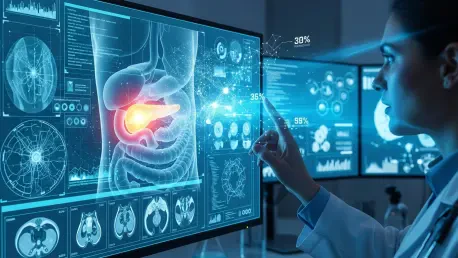
The medical community has long struggled with the silent progression of pancreatic ductal adenocarcinoma, a disease that frequently escapes detection until it reaches its most lethal and untreatable stages. Current diagnostic protocols typically rely on manual review of computed tomography scans,
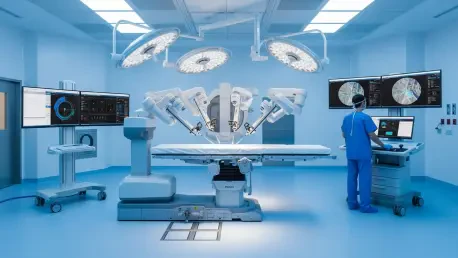
The modern operating room is evolving into a high-tech ecosystem where the integration of digital intelligence and mechanical precision is no longer optional for leading medical institutions. This evolution is perfectly encapsulated by the recent clinical success of the Ottava Robotic Surgical

The American healthcare landscape is currently navigating a period of intense pressure where every financial decision is scrutinized for its ability to deliver better patient outcomes and operational efficiency. While hospitals are traditionally seen as bastions of evidence-based practice, a recent

The healthcare landscape is currently experiencing a profound structural shift as wearable devices evolve from passive data collectors into sophisticated diagnostic tools powered by artificial intelligence. In the early stages of wearable development, physicians were often overwhelmed by massive
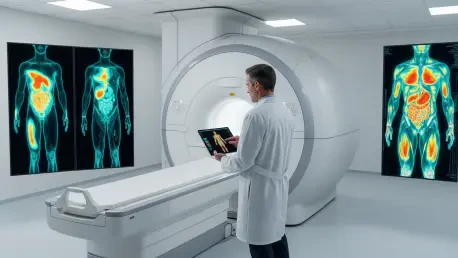
The long-standing reliance on the Body Mass Index as a definitive measure of human health is rapidly unraveling as modern medical technology reveals the hidden complexities of internal physiology. While clinicians have used the ratio of weight to height for decades to categorize patients, this
The gap between groundbreaking medical discovery and the actual delivery of care has widened as administrative burdens and outdated workflows continue to strain the American healthcare workforce. This disparity highlights a critical need for a more structured approach to integrating innovation into