
The convergence of clinical expertise and sophisticated machine learning has reached a critical juncture where the success of medical technology is defined by systemic reliability rather than individual algorithmic performance. As the healthcare sector moves through 2026, the traditional model of

The Department of Veterans Affairs is fundamentally redefining the standard of medical treatment for the nation’s heroes by implementing a massive expansion of virtual reality therapy programs designed to combat chronic pain and mental health conditions. This initiative represents a strategic shift

The healthcare landscape is currently undergoing a massive transformation as providers move away from reactive office-based treatments toward proactive, home-centered management strategies that leverage advanced technology. At the forefront of this evolution is the strategic partnership between

The sudden onset of severe gastrointestinal distress often triggers a race against time for healthcare providers who must differentiate between a minor stomach bug and a life-threatening infection. Acute gastroenteritis remains a massive global health burden, causing over a million deaths annually,

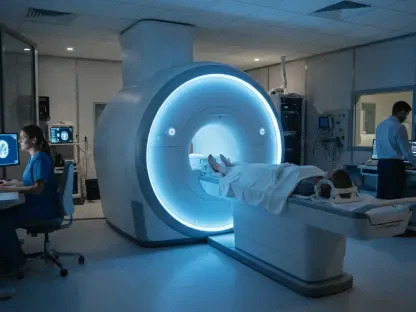
The alarming rise in childhood obesity rates globally has catalyzed a critical need for diagnostic technologies that can accurately detect and monitor metabolic conditions without the invasive nature of traditional biopsies. Medical professionals are increasingly turning toward advanced imaging

The integration of automated decision-making systems into the intricate fabric of the Medicaid program necessitates a rigorous framework that ensures algorithmic precision does not eclipse essential clinical judgment. As the Centers for Medicare & Medicaid Services navigates the complexities of