
Transitioning to a medical alert system is most successful when it is viewed as independence technology that supports a user’s autonomy and dignity in the home. Selecting the right medical alert system is a pivotal decision for older adults who want to maintain their independence without sacrificing safety. The modern landscape of emergency response technology is vast, offering a wide array of devices tailored to different lifestyles and health needs. Choosing the best system requires a balanced look at technical reliability, ease of use, and the specific daily habits of the wearer. The foundation of a reliable recommendation comes from a rigorous evaluation process that blends laboratory metrics with real-world feedback. Experts and users aged 60 and older test these devices to assess qualitative factors, such as how professional the emergency operators sound and how simple the hardware is to set up and charge. These practical insights ensure that the technology is not just functional on paper but also intuitive for the person using it every day. This holistic approach moves beyond mere technical specs to understand the lived experience of the user, ensuring that the selected device serves as a bridge to greater freedom rather than a constant reminder of vulnerability. By focusing on how these tools integrate into a vibrant lifestyle, families can transform a potentially sensitive conversation into an empowering strategy for long-term aging in place.
Technical Benchmarks: The Foundation of Reliable Response
Beyond user experience, systems must meet strict performance criteria to be considered effective in high-stakes environments. Laboratory testing focuses on objective metrics such as the speed of call connections, the clarity of two-way audio, and the accuracy of automatic fall detection. High-quality systems are distinguished by their ability to provide a seamless link between a person in distress and a trained monitoring center professional who can dispatch help immediately. This involves testing the latency between the button press and the operator’s greeting, as every second counts during a cardiac event or a serious fall. Furthermore, the audio quality must be sufficient for individuals with hearing impairments to understand instructions clearly. Reliable systems utilize noise-canceling microphones to filter out background sounds, ensuring that even if a user is in a different room from the base station, their voice remains audible to the responder. These technical standards serve as the baseline for safety, weeding out devices that suffer from dropped calls or poor signal penetration.
Technical capabilities like GPS location accuracy and consistent cellular connectivity are also scrutinized during the evaluation phase to ensure comprehensive coverage. Because an emergency can happen anywhere, from a suburban backyard to a busy grocery store, the system must be able to pinpoint a user’s location with precision. Evaluations often include testing the devices in various geographic settings to see how well they transition between cellular towers and how quickly they acquire a GPS lock. Reliable customer service and a robust infrastructure within the monitoring center are the final pieces of the puzzle, ensuring that assistance is always available, regardless of the time or situation. High-performing companies maintain redundant call centers to prevent outages and employ operators who are trained in geriatric emergency protocols. This infrastructure provides the necessary peace of mind for both the user and their family members, knowing that the technical backbone of the service is resilient enough to handle a variety of crisis scenarios without failure.
Psychological Integration: Framing Technology as Empowerment
Choosing a medical alert device is often as much about psychology as it is about technology, requiring a delicate balance between safety and self-image. Healthcare professionals suggest that the most effective device is the one a person is actually willing to wear consistently throughout the day and night. To encourage adoption, it is helpful to frame these systems as independence technology rather than tools for surveillance or symbols of frailty. This shift in perspective helps users view the device as a way to stay in their own homes longer rather than a sign of declining health or a loss of control. When the technology is presented as a proactive safety measure, much like a seatbelt in a car, it loses the stigma often associated with aging. Experts emphasize that the goal is to enhance the user’s confidence, allowing them to engage in hobbies and social activities without the underlying fear that a single accident could lead to a permanent loss of independence.
Caregivers are encouraged to involve the user in every step of the selection process, from picking the specific company to choosing the color and style of the wearable component. When an individual has a sense of ownership over the choice, they are far more likely to integrate the device into their daily routine and wear it without resentment. Research shows that while there may be initial resistance to the idea of a medical alert, most users become comfortable with the technology within a three-month transition window once they realize it enhances their autonomy. During this period, the user learns that the device is a silent partner that only intervenes when requested or when a significant incident occurs. By allowing the senior to lead the decision-making process, the technology becomes an extension of their personal style and a tool for self-reliance. This collaborative approach fosters a positive relationship with the device, ensuring it remains on the wrist or around the neck where it can actually save a life when needed.
System Diversity: Categorizing Solutions for Every Lifestyle
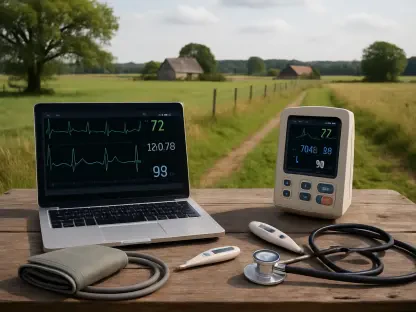
Medical alert systems are generally divided into three main categories to suit various environments and levels of physical activity. At-home systems are designed for those who spend most of their time indoors, utilizing a central base station connected via landline or cellular signal. These units typically feature wearable pendants or wrist buttons with a range that covers the average home and yard, often spanning 800 to 1,400 feet from the hub. This ensures protection throughout the residence, including high-risk areas like the basement or the garden. These systems are favored for their simplicity and long battery life, as the wearable buttons often do not require charging for several years. For individuals who primarily need a safety net while navigating their familiar home environment, these stationary hubs provide a reliable and cost-effective solution that requires very little technical maintenance from the user.
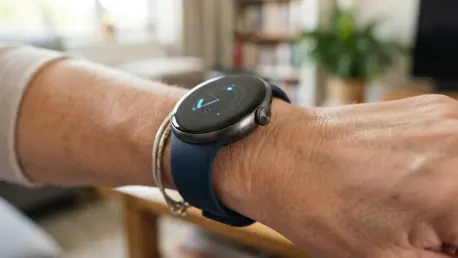
For those with active lifestyles who enjoy traveling, walking, or running errands, mobile GPS-enabled devices offer protection both at home and on the go. These units rely on cellular networks and do not have range restrictions, though they do require more frequent charging, usually every few days. A newer, stylish alternative is the medical alert smartwatch, which combines emergency features with the look of a modern consumer electronic. These watches help reduce the stigma of wearing a medical device, making them a popular choice for fashion-conscious seniors who want the benefits of a heart rate monitor and step counter alongside emergency response. By selecting a device that mirrors the technology used by all generations, users feel more integrated into the modern digital world. The choice between a traditional pendant, a mobile puck, or a smartwatch ultimately depends on the user’s comfort level with technology and their specific daily movement patterns outside the home.
Advanced Features: Enhancing Safety with Fall Detection and Sensors
The functionality of a medical alert system can be expanded through various accessories and advanced sensors that provide a more comprehensive safety net. Wall-mounted buttons in high-risk areas like bathrooms and voice-activated smart speakers provide extra layers of security where a wearable might be forgotten or removed. For more comprehensive oversight, some systems offer passive motion sensors or video cameras that allow caregivers to monitor activity levels remotely without requiring the user to press a button. These tools are particularly useful for detecting changes in routine that might indicate a health decline, such as a decrease in movement or frequent nighttime activity. Passive fall detection is also becoming more common, using wall-mounted sensors that utilize radar or AI vision to identify a fall without the need for a wearable device, preserving the user’s privacy while maintaining a high level of vigilance.
Automatic fall detection is one of the most sought-after features, designed to call for help even if the user is unconscious or unable to move after an impact. This technology uses accelerometers and complex algorithms to distinguish between a real fall and a heavy object being dropped or a user sitting down quickly. While no sensor is 100% accurate, this technology serves as a vital safety net for those with high fall risks or chronic conditions that could cause sudden fainting. Users and caregivers should weigh the additional monthly cost of fall detection against the individual’s specific health profile to determine if it is a necessary investment. In many cases, the peace of mind provided by knowing that help will be summoned automatically justifies the small increase in the monthly service fee. As the technology continues to refine its algorithms from 2026 to 2028, the accuracy of these sensors is expected to reach near-perfect levels, further solidifying their role in emergency prevention.
Strategic Maintenance: Ensuring Long-Term System Efficacy
Ensuring a medical alert system remained effective required a commitment to regular maintenance and proactive testing protocols. Experts recommended that users performed a test call at least once a month to verify that the hardware was communicating correctly with the monitoring center. This routine not only ensured the device was working but also helped the user stay familiar with the process of speaking to an operator, reducing anxiety during a real emergency. Testing was also an opportunity to check battery levels and ensure that the range of the device still covered all necessary areas of the property. When users treated the device as a functional part of their home infrastructure, like a smoke detector, they were much better prepared when a crisis actually occurred. This habit of verification turned the technology into a reliable and familiar presence rather than an intimidating or forgotten gadget in a drawer.
The research concluded that the most effective safety ecosystems were those that combined reliable hardware with a supportive family or caregiver network. By prioritizing the user’s dignity and selecting a device that fit their specific lifestyle, families created a foundation for safe, independent living. The selection process was not a one-time event but an evolving strategy that adjusted as the user’s needs changed over time. Regular communication between the user and their support system ensured that the technology remained a dependable partner in maintaining a long-term, independent lifestyle. Actionable next steps included reviewing cellular coverage maps for the user’s specific zip code and discussing the trade-offs between different wearable styles. By taking these practical measures, households successfully integrated medical alert systems as a natural extension of a healthy aging plan, ensuring that safety and autonomy remained perfectly balanced for years to come.