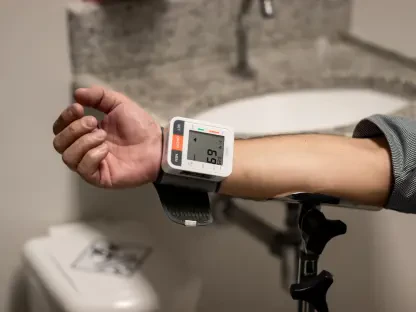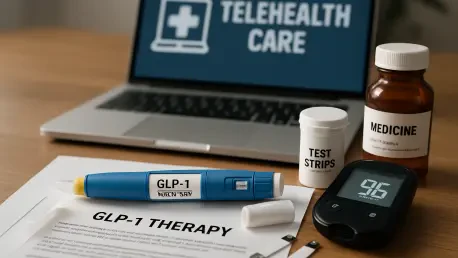

The rapid expansion of virtual healthcare delivery has fundamentally altered the management landscape for chronic conditions, moving from occasional convenience to a primary mode of metabolic intervention. As the prevalence of metabolic syndrome continues to present a global health challenge, Glucagon-Like Peptide-1 receptor agonists have emerged as a cornerstone of modern pharmacological strategy. However, the transition from traditional brick-and-mortar clinical oversight to remote initiation requires a sophisticated framework to maintain patient safety. Providers are now tasked with closing the physical gap by utilizing advanced remote monitoring tools and rigorous digital protocols. Success in this environment is not simply about digital accessibility but about replicating the safety net of a physical clinic through precise data acquisition. This shift necessitates a reliance on comprehensive baseline assessments, such as hemoglobin A1C levels and renal function tests, ensuring that every remote prescription is grounded in verifiable clinical evidence.
Technical Monitoring and Clinical Oversight
Effective virtual management hinges on the integration of Continuous Glucose Monitoring technology, which serves as a gold standard for remote surveillance. These wearable sensors provide a stream of objective, real-time glycemic data that allows clinicians to observe metabolic responses far beyond the scope of a single office visit. By analyzing both fasting levels and postprandial trends, healthcare providers can pinpoint exactly how the medication interacts with a patient’s unique physiology. This level of granular detail bypasses the inherent inaccuracies of manual patient logs and provides a reliable baseline for adjusting therapeutic intensity. In the current landscape of 2026, the synchronization of these devices with telehealth platforms enables a seamless flow of information, allowing for proactive adjustments rather than reactive responses to metabolic fluctuations. This data-driven approach ensures that the medication remains effective while minimizing the risks associated with unpredictable glycemic dips or spikes.
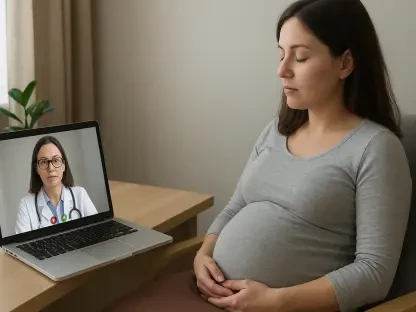
Managing the pharmacological profile of GLP-1 agonists requires a delicate balance, particularly regarding the gastrointestinal side effects that often accompany the initiation phase. Nausea, vomiting, and delayed gastric emptying are common hurdles that can lead to early treatment discontinuation if not managed with clinical precision. The consensus strategy for mitigating these issues involves a conservative dose titration schedule, where the medication is gradually escalated over several weeks to allow the patient’s system to adapt. Virtual follow-up appointments scheduled within the first month are critical for assessing tolerance and providing reassurance. During these sessions, clinicians evaluate the severity of symptoms and determine if the titration should proceed or if a plateau is necessary to ensure patient comfort. This methodical progression is essential in a remote setting where the provider cannot physically witness the patient’s condition, making frequent digital check-ins a mandatory component of the safety framework.
Beyond the immediate metabolic response, long-term safety protocols must prioritize the monitoring of renal health and overall weight dynamics through digital reporting. While weight loss is a primary therapeutic goal, clinicians must instruct patients to focus on consistent, long-term trends rather than the daily fluctuations that often cause unnecessary anxiety. More critically, the gastrointestinal effects of GLP-1 therapies can occasionally lead to dehydration, which poses a secondary risk to kidney function in vulnerable populations. Remote care models now incorporate regular metabolic panels to track creatinine and electrolyte levels, ensuring that any signs of renal stress are identified before they escalate into acute complications. By maintaining a high index of suspicion for these issues, telehealth providers can safely manage patients who might otherwise require in-person monitoring. This comprehensive oversight strategy ensures that the benefits of weight reduction are not overshadowed by preventable physical setbacks.
Patient Empowerment and Digital Communication
In the absence of a physical presence, patient education becomes the primary mechanism for ensuring therapeutic success and medication safety. The teach-back method has become a staple of virtual consultations, requiring patients to demonstrate their understanding of injection techniques and dosing schedules to the clinician via video. This interactive process confirms that the patient is confident in self-administering the medication, reducing the likelihood of dosing errors that could lead to adverse events. To supplement these live interactions, providers are increasingly utilizing high-quality digital resource libraries containing video tutorials and troubleshooting guides. This shift moves the clinician into the role of a metabolic coach, empowering the patient to take ownership of their treatment journey while having constant access to expert guidance. When patients understand the physiological mechanisms behind their therapy, they are more likely to remain committed to the protocol, even when facing the minor discomforts of the early treatment stages.
The evolution of secure messaging platforms has introduced a level of connectivity that was previously unattainable in traditional medical models. These digital channels allow for asynchronous care, where patients can report new symptoms or ask clarifying questions in real-time without waiting for a formal appointment. This constant loop of communication fosters a stronger therapeutic alliance and ensures that concerns are addressed before they become reasons for non-adherence. In 2026, many healthcare organizations have integrated these messaging systems with automated health apps that prompt patients for daily check-ins on their symptoms and medication adherence. This integration provides a continuous stream of actionable data for the clinical team, allowing for rapid interventions such as dose adjustments or supportive care recommendations. By removing the logistical barriers to provider access, telehealth creates a proactive environment that supports the patient’s long-term health goals through consistent and reliable digital engagement.
Mitigating Risks and Promoting Holistic Health
While GLP-1 receptor agonists are generally regarded as safe for a wide range of patients, remote care necessitates a vigilant approach to identifying rare but serious complications. Clinicians must prioritize educating patients on specific red flag symptoms, such as persistent abdominal pain or signs of gallbladder distress, which require immediate medical intervention. Because the provider cannot perform a physical palpation in a virtual setting, the patient’s ability to recognize and report these warning signs is the final line of defense against severe adverse outcomes. Structured safety protocols now include mandatory screenings for personal and family history of specific endocrine conditions to further refine the patient selection process. This rigorous risk stratification ensures that only appropriate candidates are managed via telehealth, while those with higher risk profiles are directed toward hybrid or in-person care models. Maintaining this boundary is essential for the continued credibility and safety of virtual metabolic medicine in an increasingly digital world.
Successful GLP-1 therapy was never intended to exist as an isolated pharmacological intervention, even when delivered through the most advanced digital platforms. The clinical framework evolved to incorporate a holistic approach that integrated behavioral support, nutritional counseling, and physical activity into the medication management plan. Healthcare providers recognized that while the medication provided the biological assistance needed for weight loss and glycemic control, sustainable lifestyle habits formed the foundation for long-term health outcomes. By 2026, the transition to virtual care models achieved a high standard of safety by combining real-time data with comprehensive patient education and proactive risk mitigation strategies. Clinicians successfully utilized remote monitoring tools to mirror the oversight of traditional clinics, ensuring that patient care remained both accessible and rigorous. This integrated strategy moved the focus from simple prescription fulfillment to a total health transformation, proving that sophisticated chronic disease management could thrive in a virtual environment.