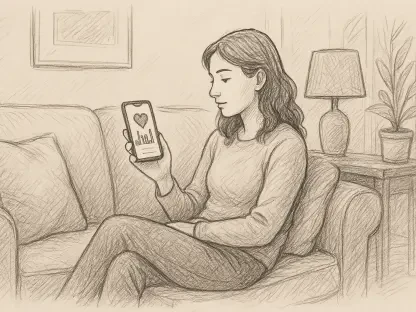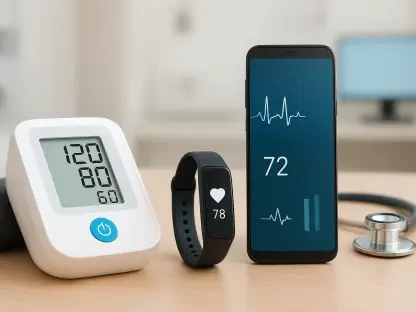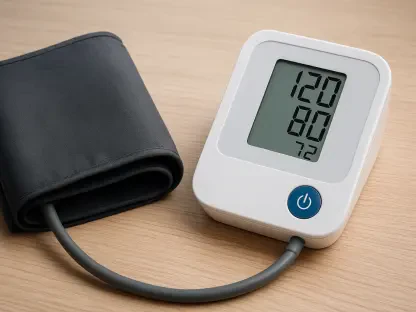

Digital health tools offer a sense of agency and control, yet they risk leaving behind older adults and those in economically disadvantaged areas. The evolution of the "quantified self" has morphed from a niche hobby for tech enthusiasts into a fundamental pillar of modern living, where every

Shortening the mandatory five-year service commitment for grant recipients could help stabilize the dwindling healthcare workforce in underserved rural regions. For decades, the closure of small-town hospitals has forced residents to travel hours for basic screenings or specialized care, creating a
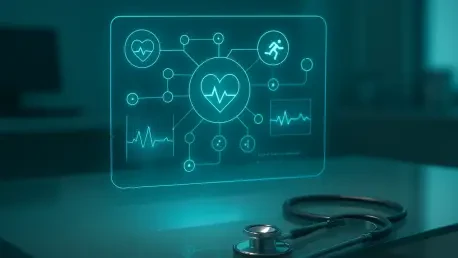
The Me. app integrates disparate data points from sleep, exercise, and vitals into a format that is easily digestible for coaches and medical professionals. By consolidating information from various wearable ecosystems into a singular, HIPAA-compliant dashboard, the platform effectively bridges the
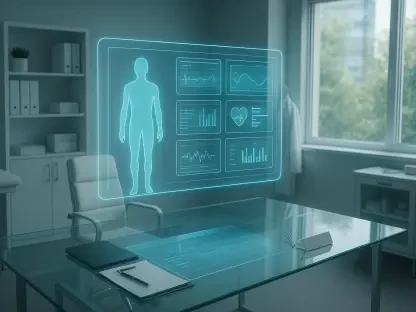
The shift toward mobile health intelligence seeks to move medical care away from reactive clinic-based models and toward proactive, continuous, and home-based monitoring paradigms. This evolution is led by researchers at the University of Maryland, Baltimore County, who focus on transforming
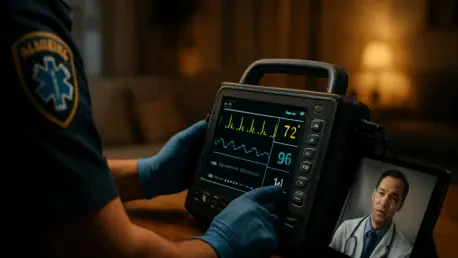
Scaling mobile health interventions requires navigating complex scope-of-practice regulations that dictate the clinical decisions paramedics can make independently. This challenge is at the heart of the "Mighty Heart" program, an initiative led by the Columbia University School of Nursing to
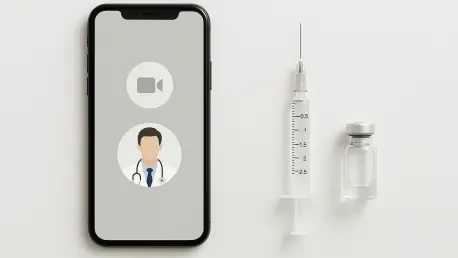
The landscape of breast cancer therapy is shifting away from the rigid confines of the infusion chair and toward the sanctuary of the home, as medical systems look to prioritize patient autonomy. Research recently published in JAMA Network Open suggests that virtual oversight allows medical teams