Economic hurdles remain a challenge as medical reimbursement for innovative remote monitoring technology often lags behind the actual clinical implementation and patient benefits. Despite this financial friction, the momentum of a medical community increasingly dissatisfied with the limitations of
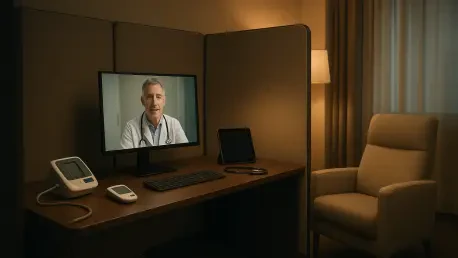
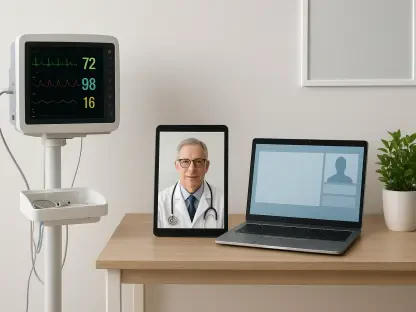
The transition from a standard office space to a state-of-the-art medical room highlights the center's commitment to evolving alongside the increasingly digital landscape of modern healthcare. This evolution comes at a time when many older adults face a daunting reality: the rapid migration of
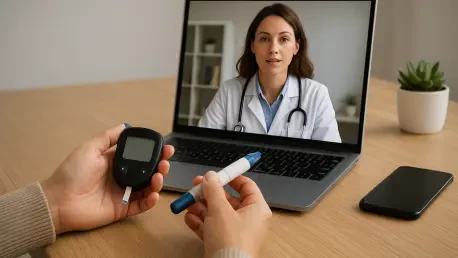
Beyond clinical rigor, the evaluation of modern telehealth providers now heavily weighs factors such as insurance assistance and transparency in pricing and care protocols. The current shift in the healthcare landscape has placed a spotlight on specialized platforms that manage the complexities of
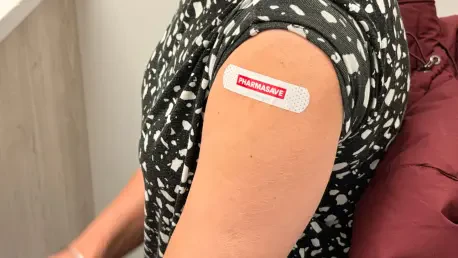
A new diagnostic system called CF SWIFT utilizes flexible skin stickers and a smartphone camera to measure chloride levels for approximately one dollar per test. This breakthrough represents a significant shift in medical accessibility, particularly for patients in underserved regions where

Modern medical environments treat human attention as a finite and precious resource, yet a single nurse often manages multiple patients simultaneously without constant visibility. This structural imbalance creates a dangerous environment where the demand for vigilance far exceeds the physical

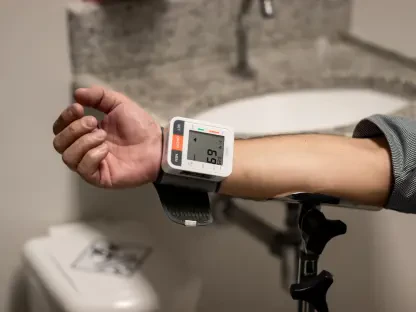
Clinical norms for resting heart rates between sixty and one hundred beats per minute often mask significant personal deviations that signal early infection. For many individuals, a pulse of eighty-five beats per minute is clinically unremarkable, yet for a person with a standard resting baseline