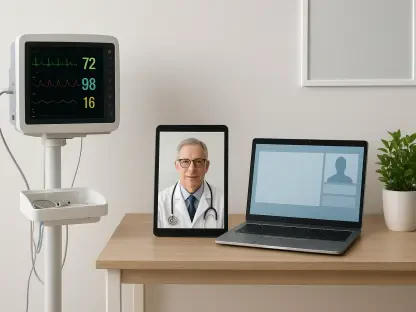

Patients are being urged to monitor their Medicare Summary Notices for unfamiliar charges as federal agencies tighten the reins on remote monitoring billing. This call for vigilance arrives as the Centers for Medicare & Medicaid Services (CMS) considers a sweeping overhaul that could fundamentally change the delivery of digital health services across the country. The proposed 2027 physician fee schedule introduces a strict requirement that would only allow reimbursement for remote physiologic and therapeutic monitoring when performed by clinical staff directly employed by the billing practice. This effectively targets the common industry practice of outsourcing these tasks to third-party vendors, a model that has enabled many healthcare providers to quickly scale their operations. By mandating an initiating visit and shifting toward an in-house staffing requirement, federal regulators are signaling a new era of heightened accountability and direct clinical oversight for Medicare beneficiaries currently enrolled in these digital programs.
Analyzing the Corporate Rift: Integrated Systems versus Traditional Insurers
The proposal has created a visible rift among the nation’s largest health insurers, specifically those operating as integrated delivery systems. Companies like CVS Health, UnitedHealth Group, and Kaiser Permanente have expressed strong opposition to the vendor ban, arguing that it ignores the complex organizational structures of modern healthcare. Because these entities often own both the insurance plans and the clinical networks, they rely on a flexible workforce where staff from one business unit may support patients in another. Kaiser Permanente has voiced concerns that the rule would disproportionately affect integrated systems, potentially penalizing the very coordination they aim to achieve. CVS Health suggested that instead of an outright ban, the agency should focus on establishing rigorous quality standards for vendors. These integrated giants maintain that their current models are designed for efficiency and that a sudden shift to direct employment would create administrative chaos.
Conversely, traditional insurance organizations such as Humana and the Blue Cross Blue Shield Association have signaled their support for the proposed restrictions. These organizations typically operate without the massive, internally owned clinical networks that define their competitors, making them less reliant on the cross-unit staffing models that the new rule would prohibit. From their perspective, the move toward direct employment is a necessary step to curb rising system costs and ensure that the relationship between the physician and the patient remains unfragmented. These insurers see the prevalence of third-party monitoring vendors as a potential source of billing irregularities and have argued that tighter controls are essential for the long-term sustainability of the Medicare program. By backing the CMS proposal, these companies are positioning themselves as advocates for fiscal responsibility, suggesting that the current growth of outsourced monitoring services has outpaced the federal government’s ability to provide effective oversight.
Examining the Oversight Deficit: Spending Growth and Service Gaps
The momentum for this regulatory change is largely driven by recent investigations conducted by the Department of Health and Human Services Office of Inspector General. A critical report released earlier in the decade highlighted significant gaps in how these services were being delivered to over one million enrollees. Specifically, the data suggested that approximately 43 percent of Medicare beneficiaries receiving remote monitoring did not receive the complete suite of services required for reimbursement, which includes device setup and active treatment management. This discrepancy has raised red flags regarding the quality of care provided by outsourced contractors who may not be fully integrated into the patient’s primary care team. Furthermore, the financial scale of the program has expanded with incredible speed, with federal spending on these services jumping from $408 million in 2023 to $536 million in 2024. This rapid increase in expenditure, without a corresponding increase in oversight, has made the program a primary target for new federal restrictions.
At the heart of the federal strategy is a belief that direct employment fosters a higher level of clinical accountability and reduces the risk of fragmented care. CMS officials have expressed concern that the current vendor-led model creates a disconnect between the data being collected at home and the clinical decisions made in the doctor’s office. When monitoring tasks are handled by third-party entities, there is a risk that critical health alerts may not be communicated effectively to the primary physician, or that the billing for these services may not accurately reflect the level of care provided. The proposed rule seeks to anchor these digital services within the traditional physician-patient relationship, ensuring that the staff reviewing the data are integral members of the practice’s clinical team. While this transition may require significant investment in human resources, proponents argue that it will ultimately lead to more personalized care and a more transparent billing process that protects both the Medicare trust fund and the patients who rely on it.
Evaluating Future Transitions: Ensuring Continuity and Patient Security
As the industry prepares for the final rule publication later this year, advocacy groups have raised concerns about the potential impact on Medicare Advantage members. While these private plans often have the flexibility to set their own network requirements, they are generally required to follow the coverage standards established by traditional Medicare. If the direct-employment mandate is finalized, many smaller physician groups may find the costs of bringing monitoring services in-house to be prohibitive, potentially leading to a sharp reduction in available services for beneficiaries in rural or underserved areas. This could create a situation where access to life-saving technology depends entirely on the size and financial resources of a patient’s chosen healthcare provider. Health equity advocates have pointed out that while the goal of reducing fraud is commendable, the unintended consequence could be a widening gap in access to chronic disease management tools, especially for those who rely on smaller, independent practices that cannot easily absorb the new administrative burden.
Stakeholders determined that the most effective path forward involved a direct dialogue between patients and their primary care physicians regarding the future of their monitoring programs. Beneficiaries were encouraged to review their insurance plan details during the recent open enrollment period to identify any potential changes in how their data was managed. It was advised that individuals maintain consistent use of their existing hardware while simultaneously verifying the employment status of the clinical teams behind the screens. Furthermore, healthcare advocates recommended that patients remained cautious and reported any discrepancies in their billing notices to the appropriate authorities immediately. The transition required a proactive approach to understanding the nuances of network changes, ensuring that the integration of technology into chronic care management continued to prioritize patient safety over administrative convenience. Ultimately, the focus shifted toward establishing clear communication channels that verified the authenticity of every digital health interaction.