
A significant 7.3% increase in national telehealth usage across the United States in early 2023 underscores the urgent need for AI-driven data interpretation tools. This surge shifted the healthcare industry from a reliance on manual oversight to a foundational dependence on artificial intelligence for managing complex hospital operations. As of 2026, the global market for these intelligent systems has expanded to $10.05 billion, illustrating a rapid compound annual growth rate that shows no signs of slowing. This technological evolution involves the deployment of machine learning algorithms and predictive analytics to oversee the intricate ecosystem of modern medical institutions. From logistical nuances in patient intake to the high-stakes requirements of clinical decision support, AI now synthesizes vast amounts of digital data to provide administrators with actionable insights. This change effectively dismantled traditional, paper-based workflows that previously hindered efficiency and accurate resource management in hospitals.
Part 1. Driving Growth: Telehealth and Remote Monitoring
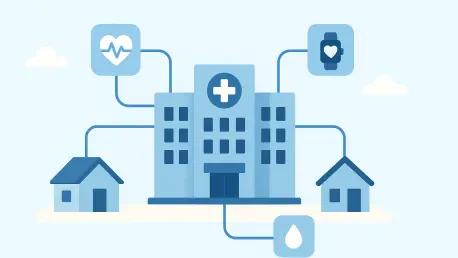
The maturation of telehealth and remote patient monitoring serves as a primary catalyst for the current expansion of artificial intelligence within the healthcare sector. These digital platforms allow medical providers to track vital signs and patient metrics in real-time, regardless of the individual’s physical location. Artificial intelligence plays a critical role in this context by analyzing the continuous streams of data generated by wearable devices and home-based sensors. By providing predictive alerts, these systems notify physicians of potential health crises before they escalate into emergencies, facilitating a level of oversight that was previously impossible. This technological capability ensures that chronic conditions are managed with extreme precision, reducing the need for constant in-person consultations. Consequently, the massive influx of remote data has necessitated the implementation of sophisticated interpretation tools that can distinguish between minor fluctuations and genuine clinical red flags.
Part 2. Driving Growth: Proactive Care Infrastructure
By enabling a proactive approach to medical care, AI-enhanced remote monitoring has significantly reduced the physical burden on global hospital infrastructure. This shift is essential in 2026, as medical centers face rising patient volumes and a limited supply of inpatient beds. Artificial intelligence identifies which patients can be safely monitored from their homes, thereby preventing unnecessary hospital admissions and keeping emergency departments clear for the most critical cases. National data continues to show a steady increase in the utilization of these remote tools, which reinforces the demand for algorithms that can handle high-velocity data interpretation. This evolution ensures that hospital resources are allocated with maximum efficiency, prioritizing those who require immediate surgical or intensive care interventions. As the medical landscape becomes increasingly decentralized, the integration of intelligent monitoring systems remains the only viable way to maintain high standards of patient safety and care.
Part 1. Internal Workflows: Optimizing Clinical Logistics
Internal hospital functions are currently undergoing a revolution through the application of clinical workflow automation and advanced resource allocation models. Artificial intelligence systems analyze historical data and real-time patient flow to predict peaks in arrival volumes, allowing department managers to optimize staffing levels hours or even days in advance. These tools streamline the complex journey from admission to discharge by identifying patients who are ready to return home earlier than expected. This coordination frees up physical space and diagnostic equipment for incoming cases, effectively eliminating the bottlenecks that traditionally plagued urban medical centers. Furthermore, AI-driven scheduling for operating rooms ensures that these high-cost environments are utilized to their full potential without unnecessary downtime. By automating these logistical decisions, hospitals can maintain a steady flow of patient throughput while reducing the exhaustion and burnout often experienced by medical personnel.
Part 2. Internal Workflows: Financial and Revenue Systems
Beyond the immediate clinical logistics, artificial intelligence is transforming the financial sustainability of hospitals through automated revenue cycle management. Financial health is a constant challenge for modern medical institutions, and AI-driven tools now handle the complexities of billing and coding with unprecedented accuracy. These systems identify potential errors in documentation before they are submitted, which drastically reduces the frequency of insurance claim denials and ensures faster reimbursement for services rendered. By predicting which claims are likely to be contested, hospitals can proactively address administrative issues, securing a more stable cash flow. This shift toward “back-office” automation allows healthcare professionals to focus less on tedious paperwork and more on direct patient interaction. As a result, the administrative burden that once characterized hospital management has been replaced by streamlined, data-driven processes that support the institution’s overall mission of delivering care.
Part 1. Regional Dynamics: North American and Asian Markets
While North America currently maintains a leading position in the global market due to its advanced infrastructure and massive research investments, the Asia-Pacific region is emerging as a dominant force. From 2026 to 2030, this region is projected to experience the most rapid growth in AI integration, driven by significant government-led digitization programs in countries like China and India. The rapid expansion of hospital infrastructure in these areas provides a unique opportunity to build “smart” facilities from the ground up, incorporating artificial intelligence into the very fabric of the medical environment. This global momentum reflects a collective effort to modernize healthcare delivery models in response to aging populations and the rising prevalence of chronic diseases. Across Europe and South America, medical systems are similarly adopting these tools to address labor shortages and rising costs, indicating that the shift toward intelligent hospital operations is a universal trend that transcends geographic boundaries.
Part 2. Strategic Evolution: Transitioning to Smart Hospitals
The implementation of AI-enhanced operations proved to be a decisive moment in medical history as institutions transitioned toward value-based care models. Hospitals that prioritized the integration of the Internet of Things successfully connected their medical equipment and environmental controls to central intelligent hubs. This connectivity allowed for the seamless tracking of patient outcomes and ensured that medical interventions remained both effective and cost-efficient. Administrators focused on the acquisition of standardized, interoperable data sets to prevent algorithmic bias and to maintain a high degree of transparency in clinical decision support. These strategic investments in digital infrastructure enabled facilities to move from a reactive treatment posture to a proactive health management framework. In the end, the global adoption of these systems solidified a new standard of operational excellence, proving that the synergy between human expertise and machine intelligence was essential for the future of medicine.