
Medical practitioners have long struggled with the limitations of static diagnostic software that remains frozen in time once its initial training phase is complete, often failing to account for the rapid emergence of new viral strains or shifting demographic health trends. Unlike conventional
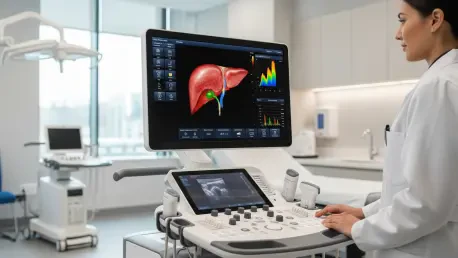
Chronic liver disease currently affects millions of individuals globally, yet the diagnostic journey remains fraught with fragmented procedures that often delay critical interventions and treatment. The introduction of the Mindray Hepatus Series marks a definitive shift toward an integrated
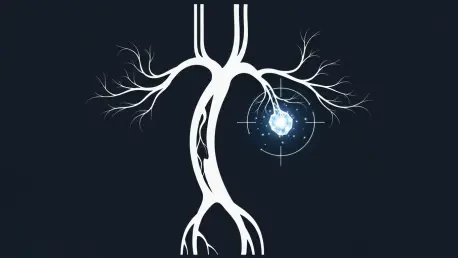
The landscape of vascular medicine underwent a radical shift when clinical researchers introduced a molecular imaging technique capable of mapping every thrombus in the human body simultaneously. For decades, medical professionals relied on fragmented snapshots provided by disparate imaging
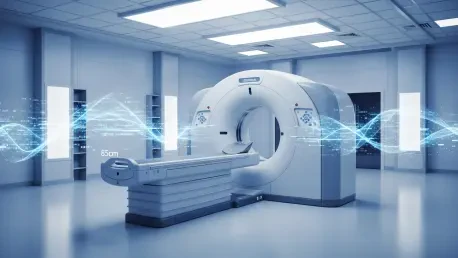
In the high-stakes environment of a modern trauma center, where minutes determine patient outcomes and clinical teams are pushed to their limits, the arrival of more sophisticated imaging technology represents a fundamental shift in emergency medical operations. Medical professionals frequently
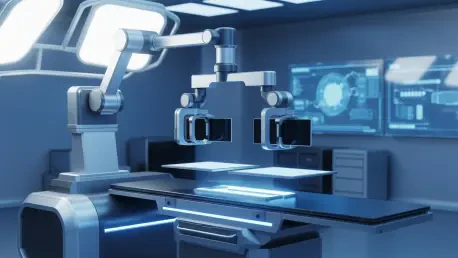
The medical community is currently witnessing a transformative shift in molecular imaging through the development of a portable positron emission tomography system that eliminates the need for massive, lead-shielded facilities. Traditionally, obtaining high-resolution metabolic data required
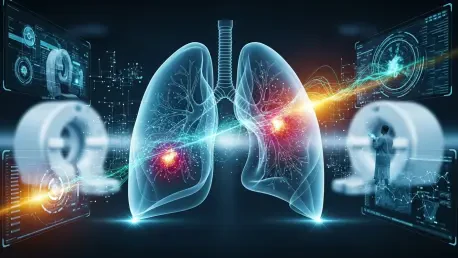
The diagnostic landscape for pulmonary disorders has reached a critical juncture where traditional imaging modalities often fail to capture the physiological nuances of gas exchange and regional blood flow required for precision medicine. While computed tomography remains the gold standard for