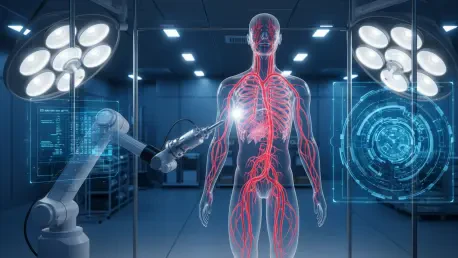
Precision in the operating room remains the ultimate benchmark for surgical success, yet the path toward automating these complex maneuvers is fraught with systemic data shortages. While robotics has already made significant inroads into the medical field, the transition from basic assistance to

The current healthcare landscape is shifting rapidly as individuals increasingly choose to bypass traditional administrative delays in favor of proactive, patient-initiated diagnostic services that prioritize immediate results over bureaucratic approval. In a period defined by physician shortages
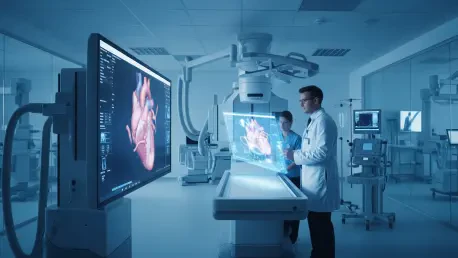
Modern healthcare facilities are currently processing an unprecedented volume of physiological data that far exceeds the cognitive bandwidth of even the most experienced medical teams. Rather than chasing the science-fiction dream of sentient artificial intelligence, the medical device sector has
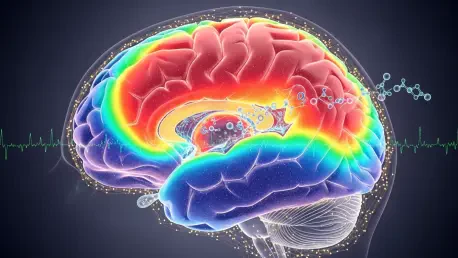
The intricate relationship between neurological activity and systemic health has taken center stage in modern oncology, revealing that the brain's energy consumption may hold the key to predicting survival rates in advanced lung cancer patients. By utilizing sophisticated PET/CT imaging technology,
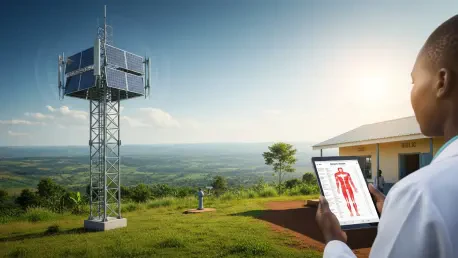
In the remote reaches of the Bwindi Impenetrable Forest and the vast cattle corridors of Karamoja, the physical distance between a sick child and a qualified physician often spans several days of arduous travel over difficult terrain. This geographic isolation has historically contributed to high
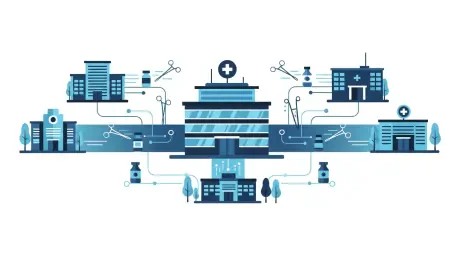
The traditional financial moat surrounding American hospitals is currently facing its most aggressive challenge as the federal government prepares to overhaul the economics of outpatient care by 2027. This shift is being orchestrated by the Centers for Medicare & Medicaid Services (CMS) through its