
The survival of an entire rural population often hangs by the slender thread of a single medical institution, yet for the residents of the western Hama countryside, that thread is fraying to the point of snapping as Al-Suqaylabiyah National Hospital faces an unprecedented operational meltdown. This facility, which serves as the primary medical lifeline for the region, is currently buckling under a multifaceted crisis that combines technological decay with a severe shortage of essential healthcare personnel. The convergence of these systemic failures has transformed what was once a reliable medical hub into a mere transit point for the sick, placing an unsustainable physical and financial burden on a community already struggling with the aftermath of displacement. As thousands of people return to their homes in the surrounding countryside, they find a healthcare system that is fundamentally unable to meet their basic needs, leading to a humanitarian situation that requires immediate and decisive intervention to prevent loss of life.
The Systematic Failure of Clinical Operations
Diagnostic Paralysis: The Breakdown of Imaging and Life Support
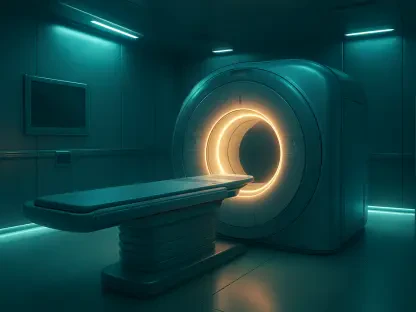
The most immediate threat to patient safety at Al-Suqaylabiyah National Hospital is the near-total collapse of the facility’s diagnostic machinery, which forms the backbone of any modern medical response. For several months, the hospital’s CT scanner has remained entirely out of commission, leaving physicians without the necessary tools to identify internal hemorrhaging, tumors, or complex neurological conditions. This technical paralysis is exacerbated by a general shortage of functional X-ray units, which prevents the accurate assessment of internal injuries or complicated fractures in trauma victims. When patients arrive with life-threatening conditions that require immediate imaging, the hospital staff is forced to refer them to distant urban centers. This delay is not merely an inconvenience but a dangerous gamble with human life, as the golden hour for trauma care is often lost during the grueling journey to Hama or other cities where functioning equipment is available to those who can afford the trip.
Beyond the absence of basic imaging, the hospital’s more specialized wings, including the dialysis and intensive care departments, are struggling with a profound degree of technical obsolescence. These vital units rely on aging equipment that frequently malfunctions and no longer aligns with the medical standards expected in the current healthcare landscape of 2026. For patients with chronic kidney disease or those requiring mechanical ventilation, the unreliability of these machines introduces a layer of risk that should be non-existent in a national hospital. The dialysis department, in particular, faces a constant struggle to maintain regular treatment schedules for a growing list of patients who have no other options in the western countryside. Without a comprehensive plan to provide immediate technical upgrades and replace the failing hardware, these specialized units will continue to degrade until they are no longer capable of providing life-saving care, effectively stripping the local population of its emergency resources.
Workforce Depletion: Managing Personnel Shortages and Patient Surges
While the lack of equipment is a visible failure, the facility is also grappling with a devastating shortage of human capital, specifically regarding resident medical specialists and trained nursing staff. The absence of a permanent cardiologist is a glaring hole in the hospital’s service roster, creating a situation where acute cardiac events cannot be managed on-site. When a patient arrives presenting symptoms of a heart attack or advanced coronary artery disease, the lack of an expert to perform stabilization or intervention necessitates an immediate transfer. This nursing shortage further degrades the quality of daily operations, making it nearly impossible to maintain standard bedside care and patient monitoring. Even in instances where some medical equipment remains functional, there are simply not enough trained professionals to oversee post-operative recovery or manage complex treatment protocols, creating a hazardous environment where the quality of medical service is compromised.
The human cost of these systemic failures is compounded by a dramatic surge in patient volume, as the monthly service load has doubled from approximately 40,000 to over 80,000 individuals in recent months. This increase is largely driven by families returning to their homes following periods of displacement, only to find a medical infrastructure that was never designed to handle such a massive influx without significant reinforcements. For local residents like Ahmad Masoud, a cardiac patient, or Hassan Bakour, the father of an injured child, the lack of local services translates into a crushing economic burden. Families are often forced to pay exorbitant fees for private ambulances and repeated diagnostic tests in distant cities because their local hospital is ill-equipped to provide even basic stabilization. This financial strain is becoming a prohibitive barrier to healthcare, where the cost of a single emergency trip can drive a family into deep poverty, highlighting an urgent need for resource reallocation.
Strategic Interventions: The Road to Medical Recovery
The resolution of the healthcare crisis in Al-Suqaylabiyah required a multi-pronged approach that prioritized the immediate restoration of diagnostic services and the recruitment of specialized medical personnel. Authorities recognized that the hospital could no longer function as a mere transit point and moved to secure funding for a new CT scanner and modern dialysis modules. These technological investments served as a necessary foundation, but they were supplemented by an aggressive initiative to provide housing and financial incentives for cardiologists and emergency physicians to relocate to the western Hama countryside. By addressing the nursing shortage through local training programs and improved working conditions, the facility began to stabilize its internal operations. Furthermore, the expansion of the hospital’s physical capacity helped accommodate the doubled patient load, ensuring that returning residents received the care they deserved without facing financial ruin. Ultimately, these actions transformed the hospital back into a functional hub.