Moving diagnostic capabilities from the doctor’s office into the patient’s home addresses the inherent limitations of intermittent clinical visits and late-stage diagnoses. This transition is particularly critical for managing conditions like atrial fibrillation, or A-Fib, which often operates as a
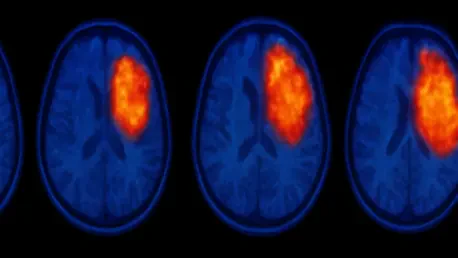
Integrating blocking studies with single-cell analysis provides a methodology to subtract artifacts and reveal the true biological landscape of a brain tumor. Glioblastoma remains one of the most formidable challenges in modern oncology due to its aggressive nature and tendency to infiltrate

Integrating various bioelectronic sensors into a single communication medium allows for more sophisticated treatment regimens that require less manual oversight from patients. Historically, the pursuit of a fully connected internal medical network was hampered by the physical constraints of

The global digital health landscape is currently experiencing a profound structural realignment as the era of fragmented point solutions gives way to a centralized ecosystem defined by massive strategic acquisitions and artificial intelligence integration. After several years of intense market

The healthcare landscape across the United Kingdom and Europe currently experiences a period of profound transformation, characterized by significant technological advancements, strategic organizational consolidations, and a heightened focus on integrating disparate services into a cohesive patient
Clinical validation from the National Health Service and academic institutions has not always translated into immediate market penetration for diagnostic tools. This sobering reality defines the journey of Forte Medical, a company that has spent years navigating the complex intersection of