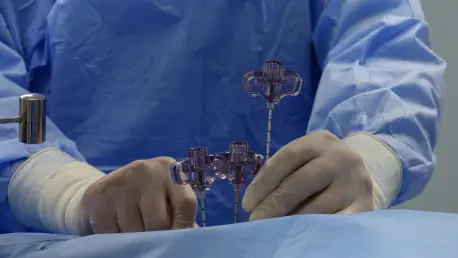
The convergence of sophisticated artificial intelligence and personalized orthopedic solutions has placed Carlsmed at the forefront of a major shift in how complex spinal conditions are treated today. The recent appointment of Richard Heppenstall as Chief Financial Officer marks a strategic pivot

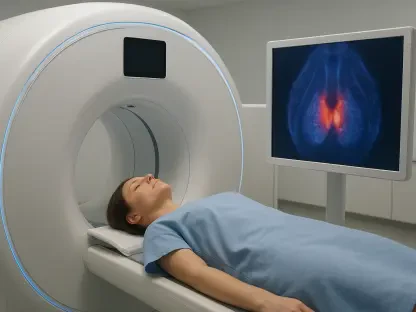
Asaba Specialist Hospital and the Central Hospital in Warri are now equipped with helium-free MRI technology that represents the latest in global medical engineering. This advancement is part of a broader strategy by Governor Sheriff Oborevwori to reshape the healthcare landscape within the region,

Amazfit’s strategic decoupling from Xiaomi underscores the industry's shift toward brand autonomy, resulting in a significant gross profit margin increase to thirty-eight percent. This transition reflects a broader global movement where the smart wearable industry has evolved from a stage of
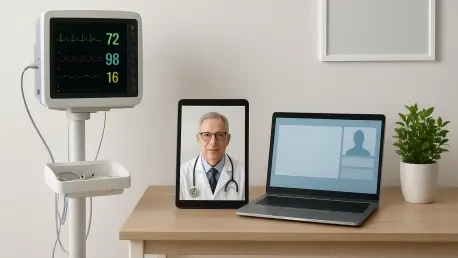
Pharmacists are utilizing weight management scales and blood pressure monitors to bridge the diagnostic gap between physical consultations. This shift marks a transition from the traditional role of medication dispensing to a comprehensive clinical-first approach within independent pharmacies. By
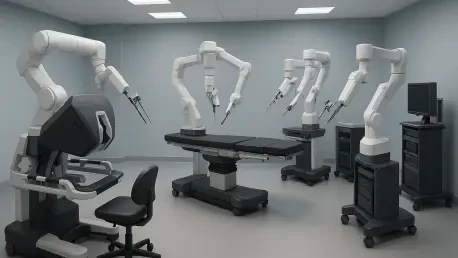
Surgeons in Paraguay are now transitioning from traditional laparoscopic methods to advanced robotic-assisted systems through a rigorous, multi-staged curriculum. This evolution marks a decisive shift in the national healthcare strategy, moving away from the mere procurement of expensive hardware

Moving diagnostic capabilities from the doctor’s office into the patient’s home addresses the inherent limitations of intermittent clinical visits and late-stage diagnoses. This transition is particularly critical for managing conditions like atrial fibrillation, or A-Fib, which often operates as a