
Asaba Specialist Hospital and the Central Hospital in Warri are now equipped with helium-free MRI technology that represents the latest in global medical engineering. This advancement is part of a broader strategy by Governor Sheriff Oborevwori to reshape the healthcare landscape within the region, moving beyond traditional infrastructure focuses to a model centered on high-tech diagnostic capabilities. For years, residents of Delta State faced the difficult choice of traveling long distances or even going abroad for specialized medical services, leading to a massive drain on personal finances and the local economy. By prioritizing health security, the administration aims to domesticate advanced medical procedures, ensuring that high-quality care is accessible within the state’s borders. This shift represents a fundamental change in governance where the focus is now on immediate life-saving technologies and the long-term well-being of the population.
Modernizing Medical Infrastructure Through Technology
Strategic Distribution: Access to Advanced Diagnostic Equipment
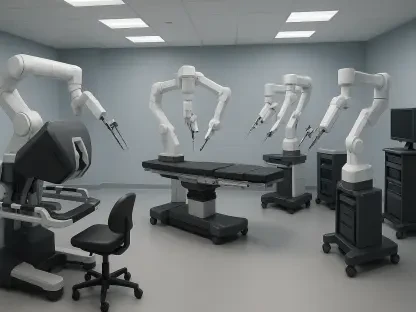
The implementation of three 1.5 Tesla helium-free technology MRI machines across different senatorial districts ensures that specialized imaging is no longer a luxury reserved for those in the capital. These machines, located in Asaba, Warri, and Oghara, significantly reduce the operational costs and maintenance complexities associated with traditional liquid-helium systems. This technological leap allows for faster diagnoses and more accurate treatment planning for complex neurological and musculoskeletal conditions. Beyond these high-end installations, the state has also integrated three new CT scanners and 25 units of 4D ultrasound scanners into the broader health network. By placing an ultrasound unit in a general hospital within each of the 25 local government areas, the government is successfully decentralizing advanced diagnostic care. This ensures that even rural residents have access to high-resolution imaging that was previously only available in major metropolitan centers.
Specialized Care: Implementation of Radiology and Renal Services
In addition to imaging services, the administration has recognized the growing need for specialized renal care to address the rising cases of kidney-related ailments. To meet this demand, eight new dialysis machines have been procured and distributed among major tertiary hospitals in Asaba, Warri, and Oghara. This strategic placement ensures that patients requiring life-sustaining treatments do not have to endure long commutes or face the risk of service unavailability. By investing in such critical equipment, the state is effectively creating a comprehensive diagnostic and treatment hub that rivals international standards. These improvements are not merely about purchasing machinery; they represent a concerted effort to build a resilient healthcare system that can handle complex medical cases locally. The focus on modernizing infrastructure serves as the physical foundation for a broader vision where medical tourism is replaced by a robust internal economy with improved health outcomes.
Strengthening the Healthcare Workforce
Workforce Retention: Addressing Brain Drain Through Incentives
While technological upgrades are vital, the efficacy of any medical system depends on the quality and morale of its human capital. To combat the pervasive “Japa” phenomenon, where skilled professionals seek employment overseas, the state has implemented a proactive hiring strategy. More than 700 new health workers have recently joined the state service to fill existing gaps and bolster clinical departments. To maintain continuity of care, the Governor issued a standing directive for the immediate replacement of any departing medical staff, ensuring that clinical workflows are never compromised. Furthermore, significant financial incentives have been introduced, including substantial tax-free monthly allowances for doctors and other health officers. By increasing the take-home pay of these professionals, the administration is making the local medical field more attractive and sustainable. These measures aim to stabilize the workforce and reduce the burnout often associated with understaffing.
Educational Expansion: Building a Pipeline of Medical Professionals
Long-term sustainability is further supported by a significant expansion of medical education and specialized training facilities within the state. The establishment of the College of Health Technology at Ovrode and the development of the College of Medicine at Southern Delta University in Ozoro are pivotal milestones in this journey. These institutions are designed to train a new generation of middle-level healthcare workers and specialized physicians who can contribute to the local ecosystem. By creating a steady pipeline of domestic talent, the state reduces its reliance on external recruitment and ensures that hospitals are staffed by individuals familiar with the local context. This investment in human capital extends to continuous professional development, where staff members are encouraged to update their skills in line with the new technologies being introduced. The goal is to create a self-sustaining medical environment where education and practice are closely linked for years to come.
Promoting Universal Access and Economic Resilience
Financial Inclusion: Expanding the Contributory Health Insurance Scheme
Achieving medical excellence is only effective if the services are accessible to all segments of the population regardless of their financial status. The Delta State Contributory Health Insurance Scheme has become a cornerstone of this inclusive approach, with enrollment figures now exceeding three million people. This massive expansion of health insurance coverage provides a financial safety net for families who would otherwise face catastrophic medical expenses. Specific attention is given to the most vulnerable, including a dedicated program for 10,000 widows who receive free medical services alongside a monthly welfare stipend. Additionally, the state continues to provide free healthcare for children aged zero to five, recognizing that early medical intervention is crucial for long-term development. By combining these social welfare policies with technological advancements, the administration ensures that the “MORE Agenda” benefits every resident, transforming healthcare into a fundamental right.
Future Considerations: Sustaining Progress and Digital Integration
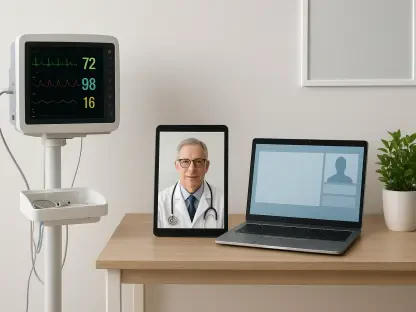
The holistic approach adopted by the government focused on creating an economically resilient healthcare sector that aimed to retain over N100 billion previously lost to medical tourism. These combined efforts in infrastructure, staffing, and social welfare successfully shifted the focus toward a system that prioritized local solutions over foreign dependency. Moving forward, the strategy necessitated maintaining the high standard of equipment and ensuring that the insurance scheme continued to adapt to the economic needs of the populace. State planners identified the implementation of telemedicine platforms as a vital step to further bridge the gap between urban centers and remote rural areas. Constant monitoring of health outcomes and regular updates to medical training curricula remained essential to sustain the gains made during this period. By continuing to integrate technology with human-centric policies, Delta State established a framework for regional healthcare reform that served as a modern model.