
Surgeons in Paraguay are now transitioning from traditional laparoscopic methods to advanced robotic-assisted systems through a rigorous, multi-staged curriculum. This evolution marks a decisive shift in the national healthcare strategy, moving away from the mere procurement of expensive hardware toward the systematic cultivation of specialized human capital. The establishment of the CER Training Center at the Universidad Católica Nuestra Señora de la Asunción signals a new era where precision and technology converge to improve patient outcomes in complex urological procedures. By formalizing this educational infrastructure, the nation addresses a long-standing gap in the medical landscape, ensuring that the benefits of robotic surgery are no longer restricted to a few specialists trained abroad. This initiative transforms the medical community into a proactive force, setting a high standard for academic excellence that serves as a regional blueprint for other health sectors.
A Specialized Path: Technical Proficiency and Curriculum Structure
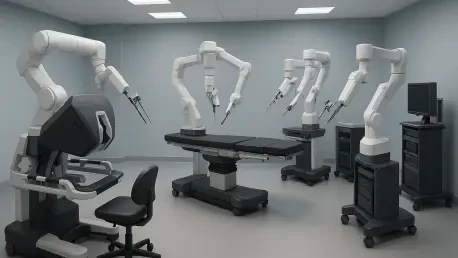
The pedagogical framework of the center is meticulously designed for established surgical specialists who already possess a robust foundation in laparoscopic techniques. This training program follows a structured, multi-staged methodology that begins with ten hours of intensive digital preparatory evaluations. These initial assessments ensure that participants have a comprehensive grasp of the theoretical principles underlying robotic assistance before they ever touch the physical controls. Following this digital phase, surgeons undergo an intensive three-day practical immersion involving high-fidelity virtual simulations and hands-on work with intricate anatomical models. This concentrated approach is essential for bridging the gap between traditional manual dexterity and the remote-controlled inputs required for modern robotic consoles. By utilizing these simulations, the program allows practitioners to refine their skills in a risk-free environment, emphasizing the importance of muscle memory.
A unique and vital component of this educational initiative is its interdisciplinary partnership with the Faculty of Veterinary Sciences at the Universidad Nacional de Asunción. This collaboration facilitates advanced practical training sessions using porcine models at specialized facilities in Villeta, providing an environment that mimics the complexities of living tissue. This comprehensive approach ensures that surgeons gain critical haptic familiarity and spatial awareness within a three-dimensional operative field, which is often a significant hurdle when moving from two-dimensional laparoscopic monitors. The use of biological models allows for a more realistic understanding of tissue tension, depth perception, and instrument interaction, which are paramount when conducting delicate maneuvers in confined spaces. Such detailed preparation is mandatory before these professionals are cleared to treat human patients, effectively raising the bar for surgical safety and clinical competency.
Strategic Foundations: Collaborative Efforts and Regional Impact
This significant breakthrough in medical education resulted from several years of sustained international cooperation, involving key stakeholders such as South Korea’s Meere Company and local partners like Droguepar. While advanced robotic platforms such as the Revo-i and Versius systems have been present in premier private institutions like Sanatorio Santa Bárbara for some time, the CER Training Center fills a critical institutional void by providing a localized, formal educational framework. Previously, the deployment of such sophisticated technology relied heavily on the initiative of individual specialists who sought training in foreign countries. Now, a centralized pipeline exists to expand this expertise across the entire medical fraternity, democratizing access to specialized knowledge. This institutionalization is crucial for maintaining the equipment’s longevity and ensuring that the investment translates into long-term benefits for the nation’s overall healthcare infrastructure.
The successful inauguration of this center established a transformative precedent for the modernization of the public health sector in Paraguay. Discussions with the Instituto de Previsión Social prioritized granting public-sector surgeons access to this specialized training, which effectively democratized high-tech healthcare for a larger segment of the population. Furthermore, the Ministry of Industry and Commerce viewed the facility as a strategic asset for medical tourism, positioning Asunción as a premier regional hub for robotic education. This shift allowed the country to evolve from being a passive consumer of foreign technology into an active provider of surgical expertise for Latin America. Moving forward, the focus shifted toward integrating these systems into routine transplant protocols and urological care to maximize efficiency. Stakeholders recommended continuous investment in software updates and exchange programs. This collective effort solidified a future for local surgeons.