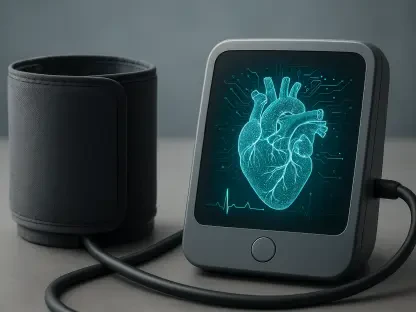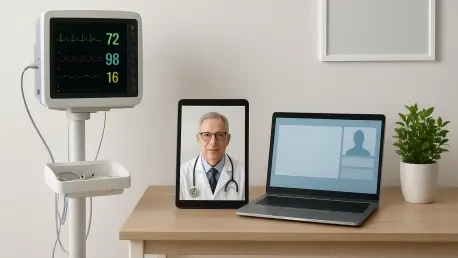

Pharmacists are utilizing weight management scales and blood pressure monitors to bridge the diagnostic gap between physical consultations. This shift marks a transition from the traditional role of medication dispensing to a comprehensive clinical-first approach within independent pharmacies. By integrating sophisticated Remote Patient Monitoring (RPM) tools, the Independent Pharmacy Cooperative (IPC) and Tenovi are addressing the critical need for continuous oversight in chronic disease management. This partnership introduces an ecosystem of cellular-enabled devices that capture real-time health data, allowing for proactive interventions that were previously impossible in a standard retail setting. As the industry moves toward value-based care, these tools empower pharmacists to maintain a constant connection with their patients, ensuring that care plans are followed accurately and that any physiological changes are detected before they lead to serious complications.
Technological Framework: Cellular Integration and Clinical Visibility
Seamless Connectivity: The Role of Proprietary Gateways
The technical backbone of this initiative is a suite of over 60 connected medical devices, including blood pressure monitors and smart pillboxes, all designed for ease of use. Unlike Bluetooth devices that require complex pairing with smartphones, these tools utilize a proprietary cellular gateway to transmit data automatically. This approach eliminates the technical barriers often faced by older populations or those with limited digital literacy, ensuring high compliance rates. When a patient takes a measurement, the data is instantly uploaded to a secure platform where pharmacists can review it. This “plug-and-play” simplicity is essential for scaling remote care across diverse demographics. By removing the need for manual data entry or complex configurations, the system ensures that the information collected is both accurate and timely, providing a reliable foundation for clinical decision-making and patient management.
Data Precision: Transitioning to Proactive Care Models
Beyond connectivity, the integration of Remote Patient Monitoring and Remote Therapeutic Monitoring allows for a transition from reactive to proactive care models. By capturing daily readings of vital signs, pharmacists can identify subtle trends that might indicate a worsening condition before a patient even realizes something is wrong. For example, a sudden weight gain in a heart failure patient can be flagged immediately, prompting a medication adjustment that prevents an expensive hospital visit. This continuous stream of actionable data creates a detailed clinical picture that was previously unavailable to the healthcare team, bridging the gap between biannual office visits. Consequently, the pharmacist becomes a true clinical partner, capable of providing nuanced advice based on hard data rather than relying solely on patient self-reporting. This level of precision is essential for optimizing therapeutic outcomes and reducing the overall burden on the medical system.
Economic Evolution: Sustainability and Patient Engagement
Diversifying Revenue: Transitioning to Clinical Billing Models
Independent pharmacies face significant financial pressures, and this partnership offers a path toward economic sustainability by creating new revenue streams. By providing RPM and RTM services, pharmacies can move away from a model solely dependent on prescription margins. They can now participate in both insurance-based reimbursement and innovative cash-based programs for specialized clinical services. This shift allows pharmacists to be compensated for the time they spend analyzing data and coordinating care, recognizing their role as vital healthcare providers. The administrative burden of documenting these services is minimized by the automated nature of the platform, which provides clear logs for billing and audit purposes. As a result, pharmacy owners can reinvest earnings to expand clinical offerings, ensuring business viability while improving the level of care provided to their local communities.
Patient Wellness: Strengthening Accountability and Education
In addition to financial gains, these technologies significantly enhance patient accountability and engagement. When patients know their vital signs are being monitored in real-time, they are more likely to adhere to their medication regimens and lifestyle recommendations. The immediate feedback provided by the devices acts as a powerful educational tool, helping individuals understand the relationship between their daily habits and their health metrics. This constant engagement fosters a deeper bond between the pharmacist and the patient, transforming a transactional relationship into a collaborative partnership focused on long-term wellness. The pharmacist becomes a trusted guide, using data to provide personalized advice that resonates more deeply with the patient. This accountability improves individual health outcomes and reduces costs by preventing chronic exacerbations. This model reinforces the pharmacy as a hub for community health management.
Future Resilience: Actionable Steps for Implementation
The collaboration between these entities established a robust framework for integrating digital health tools into the daily operations of independent pharmacies. It demonstrated that modernizing the care delivery system required both advanced hardware and a commitment to clinical excellence. Stakeholders who implemented these programs successfully realized that the next step involved deeper integration with local health systems to create a truly seamless patient experience. Managers should have prioritized staff training on data interpretation to maximize the clinical utility of the incoming metrics. Future considerations pointed toward the inclusion of more specialized sensors for niche chronic conditions, expanding the reach of the pharmacy counter even further. By embracing this proactive stance, independent pharmacies secured their position as indispensable leaders in the remote care landscape. This evolution ensured that technology served human elements of healthcare, creating a more responsive and data-driven environment.