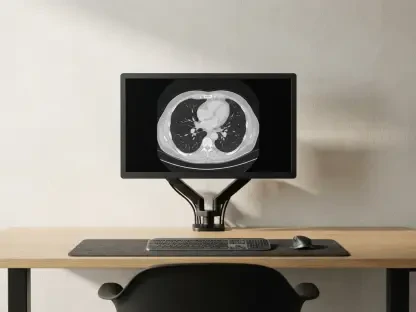
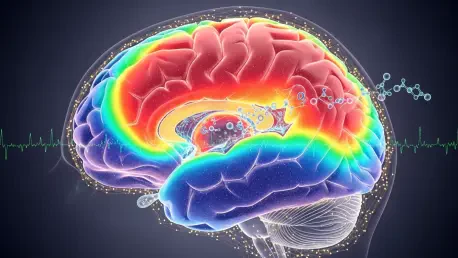
The intricate relationship between neurological activity and systemic health has taken center stage in modern oncology, revealing that the brain's energy consumption may hold the key to predicting survival rates in advanced lung cancer patients. By utilizing sophisticated PET/CT imaging technology,

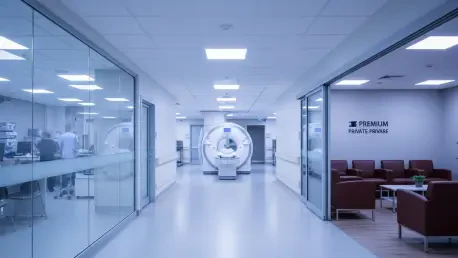
The traditional financial moat surrounding American hospitals is currently facing its most aggressive challenge as the federal government prepares to overhaul the economics of outpatient care by 2027. This shift is being orchestrated by the Centers for Medicare & Medicaid Services (CMS) through its

The rapid evolution of oncological care has reached a critical juncture where the sheer volume of diagnostic imaging often outpaces the capacity of human specialists to interpret complex longitudinal data with absolute precision. For years, clinicians relied on manual measurements and subjective
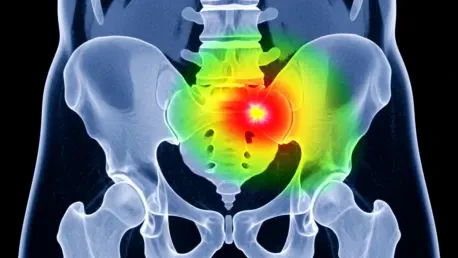
Imagine the profound frustration of a patient whose blood tests indicate a returning cancer while the most advanced imaging technology available remains stubbornly blank. This specific scenario represents a significant hurdle in modern oncology, where prostate-specific membrane antigen (PSMA)

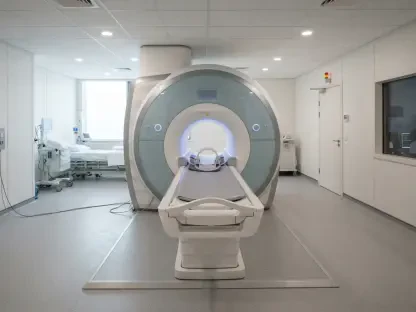
The quest for sharper diagnostic clarity has propelled the global magnetic resonance imaging contrast agent market toward a projected $2.17 billion valuation by 2030. This expansion signifies a major transition from basic visualization to a complex, molecular understanding of human pathology.
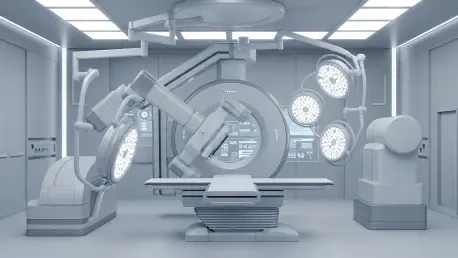
The success of a modern neurovascular intervention often depends on a margin of error thinner than a human hair, making the absolute stability of the patient the most critical variable in the operating room. In high-pressure clinical settings such as stroke treatment or complex oncology procedures,