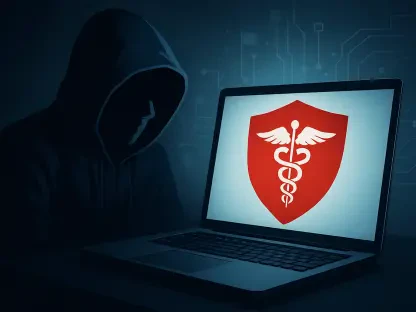

Law enforcement has been notified regarding the social engineering campaign that compromised a patient-facing email account at AltaMed Health Services Corporation. This targeted attack highlights a critical vulnerability in the healthcare sector where psychological manipulation often bypasses traditional digital safeguards. As organizations implement increasingly complex encryption and firewall protocols, malicious actors have shifted their focus toward the human element, utilizing sophisticated phishing techniques to gain unauthorized entry. In this instance, the compromise of an employee email account at AltaMed highlights the persistent risks associated with managing vast quantities of sensitive patient data within interconnected digital environments. The notification serves as a vital alert for patients whose private health information may have been exposed. Understanding the mechanics of such an incident is the first step in addressing the long-term implications for individual privacy.
1. Analyzing the Incident: Scope and Disclosure
According to initial reports, the breach began when an unauthorized individual successfully targeted an AltaMed employee through a social engineering scheme on September 9, 2026. This type of attack generally involves deceiving a person into revealing login credentials or providing access through seemingly legitimate requests. Once the attacker secured access to the patient-facing email account, they were positioned to view or retrieve any information stored within that specific digital workspace. The incident did not immediately result in a public disclosure, as the complexities of forensic investigation often require time to determine the full extent of unauthorized activity. By the time the breach was publicly listed on the California Attorney General’s security portal on November 8, 2026, the organization had already begun its internal review process to identify which patients were most at risk. This delay between the initial intrusion and public notification is a common challenge in modern data security incidents.
Following the detection of the unauthorized access, AltaMed Health Services Corporation initiated its standard incident response procedures to contain the situation and prevent further intrusion. This immediate reaction included securing the compromised account and retaining independent forensic experts to conduct a comprehensive analysis of logs and data access history. These specialists work to determine exactly what information was accessed during the window of compromise, providing the necessary data to inform affected individuals. Furthermore, the healthcare provider notified law enforcement to assist in the criminal investigation of the social engineering campaign. In addition to technical recovery efforts, AltaMed has publicly stated that it is implementing enhanced security measures and technical safeguards to prevent similar occurrences. These upgrades often include multi-factor authentication and improved employee training to recognize phishing attempts, which are essential for maintaining the integrity of patient communications.
2. Assessing Personal Risks: Compromised Data Categories
The categories of information potentially accessed during this breach are particularly sensitive, as they involve a combination of personal identifiers and specific medical records. According to the official notices provided to affected individuals, the data elements involved varied by person but could include full names, dates of birth, and Social Security numbers. Beyond these basic identifiers, the breach also impacted medical-specific information such as diagnoses and billing data, including the dates of service and the specific amounts billed to patients or their insurers. This exposure of clinical information distinguishes this incident from typical financial data breaches, as medical records are static and cannot be easily changed or replaced like a credit card number. The loss of such detailed information creates a lasting footprint that could be exploited by bad actors for various fraudulent purposes, making it imperative for patients to recognize the specific nature of the data linked to their profiles.
The presence of both Social Security numbers and medical diagnoses in the compromised email account significantly elevates the risk of medical identity theft for the affected population. This specific form of fraud occurs when an unauthorized party uses a patient’s information to obtain healthcare services, prescriptions, or medical equipment under that patient’s name. Such activity can lead to inaccurate medical histories, which may result in incorrect treatments or complications during future healthcare interactions. Additionally, the exposure of billing information allows for the creation of highly convincing phishing scams where attackers pose as legitimate medical providers or insurance representatives to solicit further payments or sensitive details. Patients must be aware that the misuse of healthcare data often manifests through fraudulent insurance claims or unauthorized collection notices that can damage their credit and reputation. Monitoring for these specific indicators of fraud is a necessary burden placed on individuals following a breach.
3. Navigating Post-Breach Actions: Legal and Personal Security
In light of this breach, individuals are encouraged to take immediate steps to safeguard their identities by thoroughly reviewing any formal notices received from AltaMed. These documents contain specific information regarding which data elements were compromised, which is essential for determining the appropriate level of response. Patients should also conduct a detailed audit of their “Explanation of Benefits” forms and medical billing statements to identify any services or prescriptions they did not receive. Any discrepancies should be reported immediately to both the healthcare provider and the insurance carrier to prevent further fraudulent activity. Monitoring credit reports through major bureaus is also a critical step, especially for those whose Social Security numbers were involved in the incident. Placing a fraud alert or a security freeze on credit files can prevent unauthorized accounts from being opened. Documenting every step of this process, including notes on conversations and copies of suspicious bills, provides a necessary record.
Affected individuals possess specific legal rights under state and federal privacy and consumer protection statutes that mandate the secure handling of sensitive health information. Law firms such as Strauss Borrelli PLLC began investigating the incident to determine whether the security measures in place were sufficient and whether impacted parties had grounds for legal claims. The legal landscape surrounding data breaches often provides avenues for seeking compensation or other remedies if the organization is found to have been negligent in its data protection duties. Because legal time limits often restrict the period during which claims can be filed, it is vital for individuals to evaluate their options promptly. The incident response center serves as a primary point of contact for immediate inquiries, providing a channel for patients to gather more information about their status. Proactive measures from both the healthcare provider and the affected individuals remain essential to mitigate risks.