
Medical education frequently relies on the concept of a textbook case to teach students how specific symptoms should align with diagnostic results, establishing a critical framework where the clarity of a patient’s story dictates the speed and accuracy of the subsequent medical response. In the current landscape of 2026, the interaction between a referring clinician and a diagnostic specialist has evolved into a sophisticated exchange of information that transcends mere data entry. A “good story”—a concise yet narratively rich description of clinical findings—serves as a primary catalyst for what experts define as reciprocal diligence. When a radiologist receives a compelling history, their cognitive process shifts from a routine scan review to a targeted, high-stakes investigation. This psychological engagement is the silent engine of diagnostic excellence, bridging the gap between digital pixels and the complex biological reality of a patient in distress. By prioritizing narrative depth, the medical community ensures that critical findings are not just seen but correctly understood.
Foundations of Narrative Precision in Medicine
Using Narratives as an Educational Tool
The educational utility of narratives extends beyond the classroom, providing a vital shorthand for practitioners to recognize recurring disease patterns in high-pressure environments. During initial training, students are introduced to patients who exhibit archetypal symptoms, such as the classic presentation of polydipsia and polyuria in a suspected diabetic. These narratives are not merely simplified examples but are essential tools designed to sharpen clinical intuition. By learning to associate specific stories with definitive diagnoses, medical professionals develop a baseline of clarity that allows them to navigate the inherent ambiguity of human health. This structured storytelling fosters a culture where precision in communication is viewed as a prerequisite for clinical success. Consequently, the ability to distill a patient’s complex history into a coherent and actionable narrative remains one of the most significant skills a physician can master, ensuring that the most critical information is conveyed with the urgency it deserves.
While real-world medicine is often characterized by atypical presentations and overlapping symptoms, the textbook case remains a vital standard for clinical comparison. The existence of these clear narratives provides a benchmark that helps practitioners distinguish between routine complaints and genuine medical emergencies. Without this educational foundation, the medical field might struggle to maintain the intensity required to address life-threatening conditions swiftly. Archetypal stories act as a lighthouse, guiding clinicians through the fog of vague symptoms like generalized fatigue or mild discomfort. When a patient’s history deviates from the expected norm, the professional’s reliance on these established patterns ensures they remain vigilant for subtle indicators of pathology. This dynamic interplay between standard narratives and clinical reality underscores the importance of a well-crafted history in facilitating accurate interpretations. By framing a patient’s condition through a structured narrative, clinicians provide radiologists with a necessary roadmap.
The Clinical Reality: Differentiating Urgent Cases
In the high-stakes environment of the emergency room, the practical application of clinical narratives determines the intensity of the diagnostic response. Many patients present with ambiguous symptoms, leading to a “rule-out” culture where the priority is often defensive medicine rather than targeted intervention. However, when a patient arrives with a narrative that aligns perfectly with a textbook cardiac event or a pulmonary embolism, the medical staff reacts with a focus that bypasses routine administrative delays. This immediate reaction is not accidental; it is the direct result of a “good story” removing clinical uncertainty. The clarity of the history provides the physician with the confidence to move directly to life-saving interventions, such as calling for a rapid response team or initiating emergency imaging. Thus, the narrative is not just a description but a trigger for coordinated clinical action that significantly improves patient survival rates. A clear story transforms a list of symptoms into a mandate for specific, high-priority care.
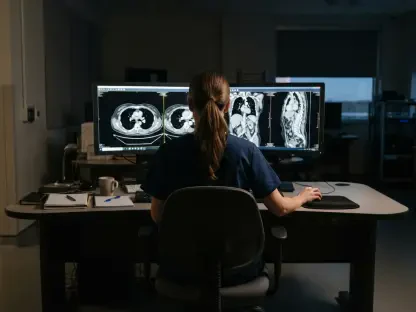
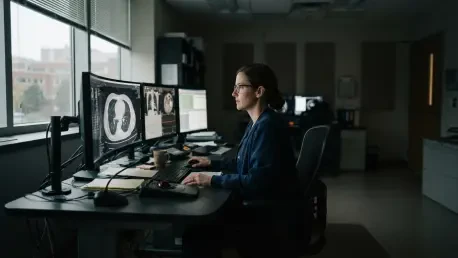
The psychological impact of a specific clinical history is perhaps most evident in the radiologist’s search pattern, often explained through the “hundred-dollar bill” analogy. Human nature suggests that if an individual is told a room might contain a valuable item, they will look briefly and then abandon the search; however, if they are told the item is definitely present, their persistence and focus increase exponentially. In radiology, a specific prompt like “right lower extremity swelling and worsening shortness of breath” acts as that definitive signal. It alerts the specialist to a high probability of finding a pulmonary embolism, leading them to spend more time scrutinizing the images for subtle clots that might otherwise go unnoticed. This increased suspicion, driven by a narrative history, ensures that the diagnostic process is thorough and persistent, reducing the likelihood of false-negative results in critical cases. When the clinician provides a “good story,” the radiologist becomes a more effective detective, searching with a purpose.
The Search Pattern: Enhancing Radiographic Focus
Reciprocal diligence acts as a powerful safeguard for patient safety by fostering a sense of professional collaboration between the referrer and the specialist. When a physician takes the time to provide a detailed and accurate clinical history, it signals to the radiologist that the clinician is deeply engaged with the patient’s well-being. This investment encourages the specialist to look beyond the most obvious findings, conducting a more exhaustive review of the imaging data. For instance, in a case of suspected appendicitis where the history includes specific signs like Rovsing’s or Blumberg’s, a radiologist might re-evaluate a seemingly normal appendix multiple times to ensure nothing subtle was missed. This collaborative spirit transforms the diagnostic process from an isolated task into a unified effort to solve a clinical mystery. This approach not only improves accuracy but also builds trust across different medical disciplines, creating a safer and more effective healthcare environment where communication is valued as much as technical expertise and state-of-the-art technology.
Looking forward, the integration of detailed clinical narratives into standard workflows emerged as a fundamental strategy for enhancing patient safety. Practitioners who adopted the habit of providing rich, context-aware histories effectively primed their consultants to perform at a higher analytical level. The shift away from generic “rule-out” orders toward comprehensive storytelling successfully bridged the gap between physical examinations and digital interpretations. To maintain this progress, medical institutions established new protocols that prioritized communication quality as much as technical imaging proficiency. These actions ensured that every imaging order became a collaborative mystery-solving exercise rather than a clerical task. Ultimately, the industry realized that while advanced software continued to evolve, the human element of shared narratives remained the most reliable safeguard against diagnostic error. This commitment to storytelling preserved the essential connection between clinicians and their patients, proving that the most effective medical tool is often a well-told and accurate clinical story.