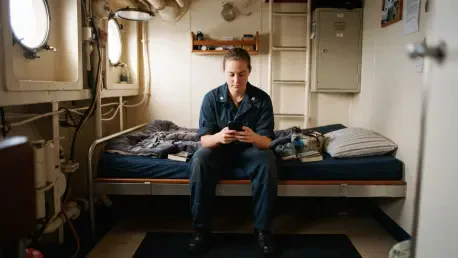

The profound fear of being labeled as medically unfit frequently outweighs the personal desire for seafarers to seek help for psychological distress. In the current maritime landscape of 2026, the psychological well-being of the global seafaring workforce has reached a critical juncture. While technological advancements have streamlined vessel operations and improved satellite connectivity, the human element remains vulnerable to the pressures of isolation and high-stakes operational environments. Shipowners and managers are increasingly aware that mental health is a fundamental component of maritime safety, yet the stigma surrounding psychological struggles persists. Many mariners feel that admitting to anxiety or depression could result in their immediate removal from service or the non-renewal of their employment contracts. This tension between the need for professional support and the imperative of job security creates a barrier that traditional corporate programs struggle to overcome. The focus is now on how digital tools can provide a truly confidential lifeline for those at sea.
Professional Insecurity and Workplace Stress
The Barrier of Clinical Stigma
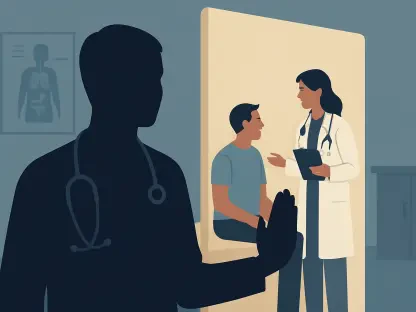
Professional insecurity remains a dominant force in the lives of many seafarers who operate under fixed-term contracts. Unlike shore-based roles where labor laws may offer more robust protections, the maritime industry often utilizes a model that can make employees feel expendable if they are not seen as perfectly healthy. The looming threat of being categorized as a liability ensures that many individuals choose to mask their symptoms, which only exacerbates the underlying issues over time. When a seafarer fears that their disclosure will be relayed directly to their company’s human resources department, they are likely to provide only the most positive and sanitized versions of their mental state. This lack of transparency prevents early intervention and allows minor stressors to develop into full-blown crises. Furthermore, the cultural expectation of the “tough sailor” continues to persist, making the act of seeking help feel like a professional failure. Breaking this cycle requires a fundamental shift in how the industry handles personal health data.
Impact of Global Industry Stressors
Recent findings from industry surveys indicate that seafaring morale has faced significant pressure due to external factors such as geopolitical instability and vessel rerouting. These challenges often lead to extended periods at sea, which in turn reduces the opportunities for shore leave and personal decompression. When crew members are confined to a vessel for longer than expected, the sense of isolation from family and support networks intensifies. Although digital connectivity has improved, it often acts as a double-edged sword; while it allows communication with loved ones, it also exposes seafarers to domestic stresses that they cannot address from thousands of miles away. The workload has also increased as ships become larger and manning levels remain lean, leaving little time for restorative rest. Chronic fatigue has become a systemic issue that contributes to irritability, sleep disorders, and a general decline in mental resilience. Addressing these stressors is as much an operational requirement as it is a humanitarian one for the modern fleet.
Digital Innovation and Privacy Protection
Privacy-First Assessment Architectures
To bridge the gap between psychological needs and the fear of professional repercussions, new digital tools are being built with privacy-first architectures. One such innovation is the integration of self-assessment features that allow mariners to evaluate their mental health through scientifically validated tests without any direct oversight from their employers. These platforms typically use a color-coded feedback system, informing the user of their current psychological state and providing immediate guidance on whether they should seek professional help. Crucially, the technology acts as a strict firewall, ensuring that individual results are never shared with ship managers or owners. This technical separation is vital because it rebuilds the trust that is often lost in traditional corporate environments. When seafarers know that their data is stored securely and anonymously, they are much more likely to be honest in their self-evaluations. This honesty is the first step toward effective self-care and long-term stability in a high-pressure environment.
Independent Support and Data Firewalling
The effectiveness of digital mental health platforms is significantly enhanced when they are linked to independent charitable organizations rather than company-run departments. By directing users to external bodies like the International Seafarers’ Welfare and Assistance Network, these tools provide a safe path for intervention that bypasses the employer’s administrative reach. This model ensures that when a seafarer reaches out for help, they are speaking with professionals who have no stake in their employment status. This separation not only protects the individual’s career but also ensures that the care they receive is unbiased and focused solely on their well-being. In 2026, the industry is seeing a move away from the “surveillance culture” that once characterized workplace monitoring. Instead, companies are beginning to value anonymized, aggregated data that highlights broad trends across the fleet without identifying specific individuals. This approach allows management to address general morale issues without infringing on the privacy of their crew.
Accountability and Systemic Industry Change
Addressing the Root Causes of Distress
While technology provides an essential early-warning system for mental health issues, it is not a substitute for addressing the root causes of psychological distress at sea. Corporate leaders must recognize that resilience training and self-help apps cannot offset the negative effects of workplace bullying, poor leadership, or unsafe manning levels. A truly holistic approach to maritime well-being requires the organization to take responsibility for the environment in which their crew members operate. This includes ensuring that rest periods are strictly respected and that the culture on board encourages mutual support rather than toxic competition. Digital tools can identify when a crew is suffering from chronic fatigue or low morale, but it is up to the management to implement the operational changes necessary to alleviate these burdens. By using anonymized data to spot problematic trends, shipowners can make informed decisions about scheduling. Technology should be seen as a partner in a broader strategy to create a sustainable industry.
Future Resilience and Trust-Based Success
The maritime sector made significant strides in 2026 by prioritizing the psychological safety of its workforce through confidential digital frameworks. Industry leaders realized that the success of mental health initiatives depended less on the sophistication of the software and more on the level of trust established with the crew. By protecting the privacy of individual health data, companies fostered an environment where seafarers felt empowered to address their own well-being before it impacted vessel safety. The transition toward utilizing independent support networks proved to be a decisive factor in reducing the stigma associated with psychological distress. Furthermore, the use of aggregated data allowed organizations to refine their operational policies, leading to improved shore leave access and more realistic workload expectations. This collaborative approach between technology and management created a more resilient workforce capable of navigating the complexities of global trade. Ultimately, the industry learned that privacy was a fundamental pillar of a secure maritime future.