
The intricate relationship between neurological activity and systemic health has taken center stage in modern oncology, revealing that the brain’s energy consumption may hold the key to predicting survival rates in advanced lung cancer patients. By utilizing sophisticated PET/CT imaging technology, researchers have recently demonstrated that glucose metabolism within the brain serves as a highly accurate indicator of how long a patient might live after a diagnosis. This paradigm shift moves the medical focus away from the primary tumor site alone and toward a more comprehensive view of the patient’s overall physiological resilience. Traditionally, clinicians have relied on localized data to determine prognosis, but this new perspective suggests that the brain acts as a silent monitor of the body’s battle against malignancy. This metabolic insight provides a clearer picture of a person’s systemic health, offering a window into the biological strength that governs survival in the face of aggressive disease.
Navigating the Limitations: Why Traditional Cancer Models Fall Short
Lung cancer remains one of the most formidable challenges in the medical field, particularly when the disease has reached metastatic stages where survival windows are often narrow and unpredictable. Despite the rapid development of targeted therapies and immunotherapies, many patients fail to respond as anticipated, leaving clinicians in a difficult position when trying to forecast long-term outcomes. The current reliance on tumor size, genetic mutations, and histological staging frequently overlooks the broader context of the patient’s physical state. These traditional metrics are essential but insufficient, as they do not account for the systemic impact of the disease or the body’s underlying capacity to withstand intensive treatment regimens. Medical professionals are increasingly recognizing that a localized approach to cancer fails to capture the intricate interplay between various organ systems. This gap in understanding necessitates the development of more holistic biomarkers.
To bridge the gap in prognostic accuracy, oncology is moving toward a model that incorporates the physiological state of non-cancerous organs as a measure of survival potential. Understanding how the body functions as a unified whole during severe illness allows doctors to better determine whether a patient is robust enough to handle the side effects of chemotherapy or radiation. When the focus is limited strictly to the malignancy, the medical team may miss critical signs of systemic frailty that could lead to poor outcomes regardless of the tumor’s response to drugs. By identifying biomarkers that reflect the body’s total energy status, such as brain glucose metabolism, providers can transition from a one-size-fits-all strategy to a more nuanced clinical assessment. This shift is particularly vital in the context of personalized medicine, where the goal is to tailor every intervention to the specific biological limits and strengths of the individual patient.
The Brain as a Proxy: Strategic Insights and Implementation
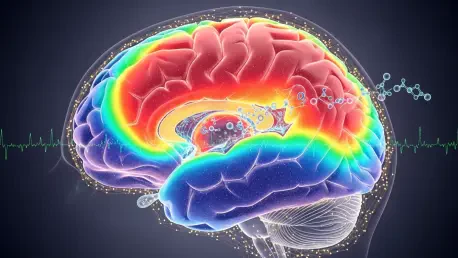
A significant retrospective study has illuminated the role of the brain as a primary indicator of systemic health, showing that patients with higher metabolic rates in the brain tend to survive significantly longer. The brain is an incredibly demanding organ, consuming roughly twenty percent of the body’s total glucose supply even at rest, which makes its metabolic activity a sensitive barometer for overall vitality. When a person is fighting advanced lung cancer, the body’s resources are stretched to their limits, and a drop in brain energy usage often signals that the system is beginning to fail. This metabolic downturn suggests a state of exhaustion where the body can no longer sustain the high energy costs of vital functions. Consequently, measuring brain glucose uptake through PET/CT scans provides a reliable proxy for physical condition, giving doctors a metric that remains consistent even when other factors fluctuate. This discovery confirms the brain is a central hub.
The clinical community established a more effective prognostic framework by integrating these metabolic metrics into the standard whole-body PET/CT scans already performed for cancer staging. This transition allowed physicians to access critical survival data without subjecting patients to additional radiation or invasive testing procedures, making the process both cost-effective and patient-centered. By identifying individuals with low brain metabolism early, medical teams were able to shift resources toward intensive palliative care and nutritional support to improve quality of life. These actionable steps provided a roadmap for modern oncology, ensuring that aggressive interventions were reserved for those with the physiological reserve to benefit from them. Starting in 2026, researchers prioritized the development of automated software to analyze brain glucose levels in real-time. This systemic approach transformed the management of lung cancer by emphasizing that critical survival data might reside far from the tumor itself.