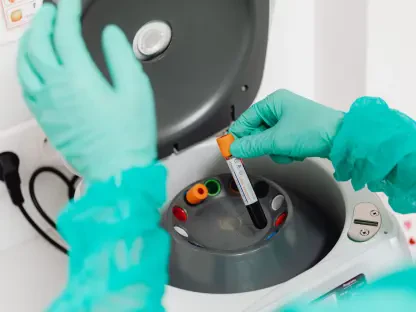
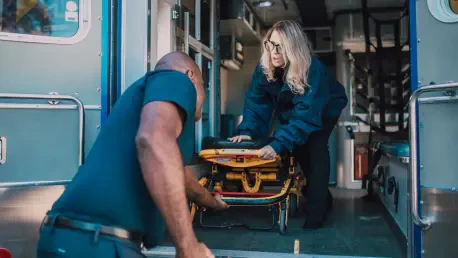
Results from portable diagnostic devices allow clinicians to identify serious infections or cardiac events without waiting for a traditional laboratory analysis. This development represents a cornerstone of the Scottish Ambulance Service's mission to bridge the healthcare divide between urban
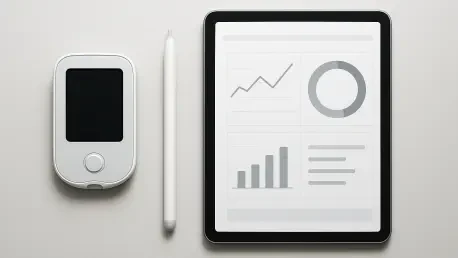
Maintaining public confidence in medical technology depends on a rigorous monitoring system that addresses device risks without discouraging the use of life-altering tools. The rapid shift from manual fingersticks to sophisticated automated insulin delivery systems represents one of the most
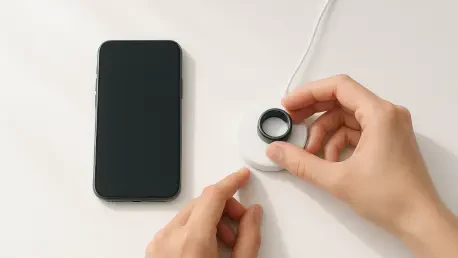
Digital health tools offer a sense of agency and control, yet they risk leaving behind older adults and those in economically disadvantaged areas. The evolution of the "quantified self" has morphed from a niche hobby for tech enthusiasts into a fundamental pillar of modern living, where every
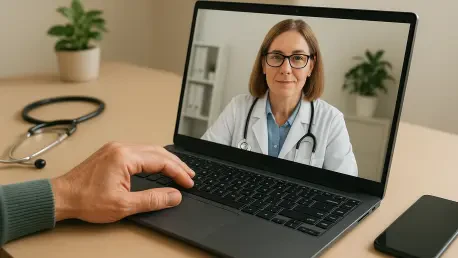
Shortening the mandatory five-year service commitment for grant recipients could help stabilize the dwindling healthcare workforce in underserved rural regions. For decades, the closure of small-town hospitals has forced residents to travel hours for basic screenings or specialized care, creating a
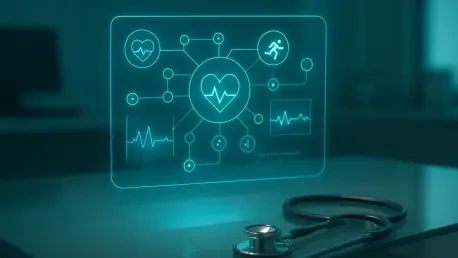
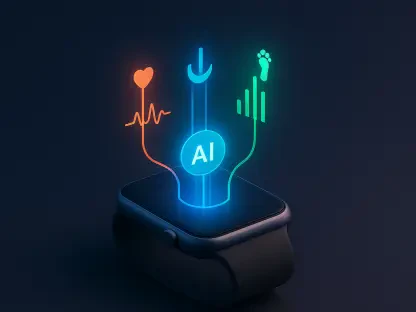
The Me. app integrates disparate data points from sleep, exercise, and vitals into a format that is easily digestible for coaches and medical professionals. By consolidating information from various wearable ecosystems into a singular, HIPAA-compliant dashboard, the platform effectively bridges the
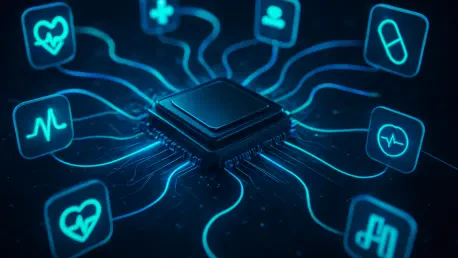
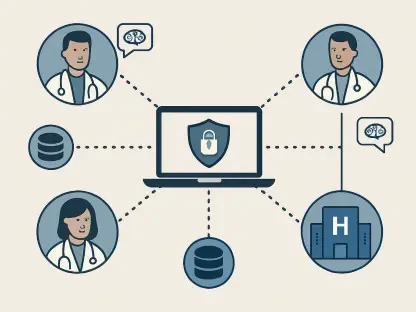
The FDA’s proposed Foundation Model Device Master Files would allow AI developers to share confidential architecture data directly with regulators to ensure safety. This paradigm shift addresses the reality that modern medical devices are no longer static tools but are instead interconnected nodes